
Popular Posts
- Gas Detection for Lithium-Ion Battery Facilities: Electrolyte Vapors & Thermal Runaway Precursors
- Portable Gas Detector for Mining and Tunnels: Methane, CO, O2, and NO2 Before Entry
- Industrial Scientific Ventis and Tango Alternative: Comparing Sensors, Runtime, and Total Cost
- Honeywell BW Solo vs GEWEE Single-Gas Monitor: H2S, CO, O2 Reliability Compared
- Portable Gas Detector for Hot Work and Welding: CO, NO2, and Oxygen Depletion Monitoring
-
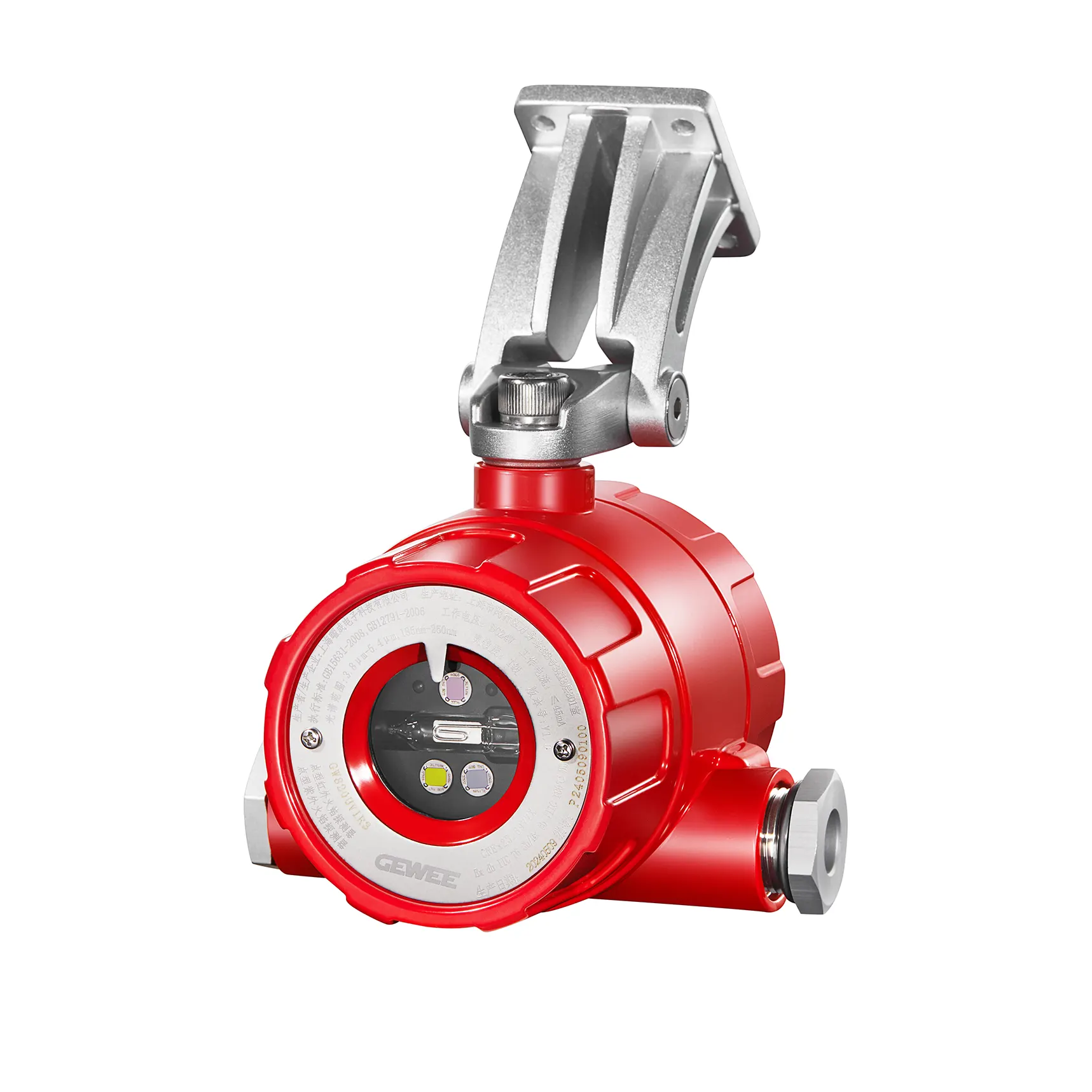
GW820UVIR3 vs Traditional UV/IR Flame Detectors: What Buyers Need to Know Before Choosing
-
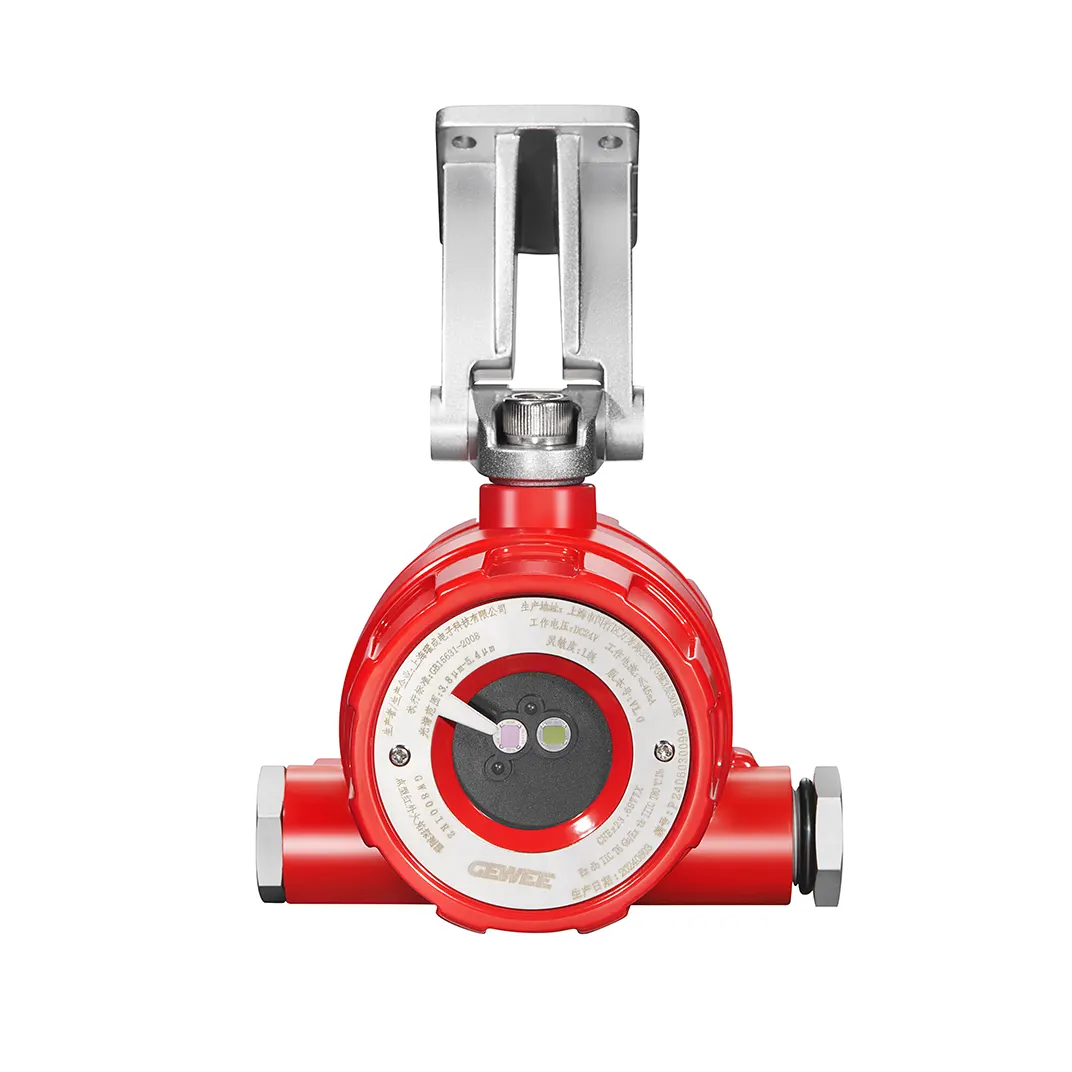
GW800 Series vs Entry-Level Dual-IR Flame Detectors: Which Budget Option Makes More Sense?
-
Why GEWEE Flame Detectors Make Sense for Projects That Need Performance and Cost Control
-
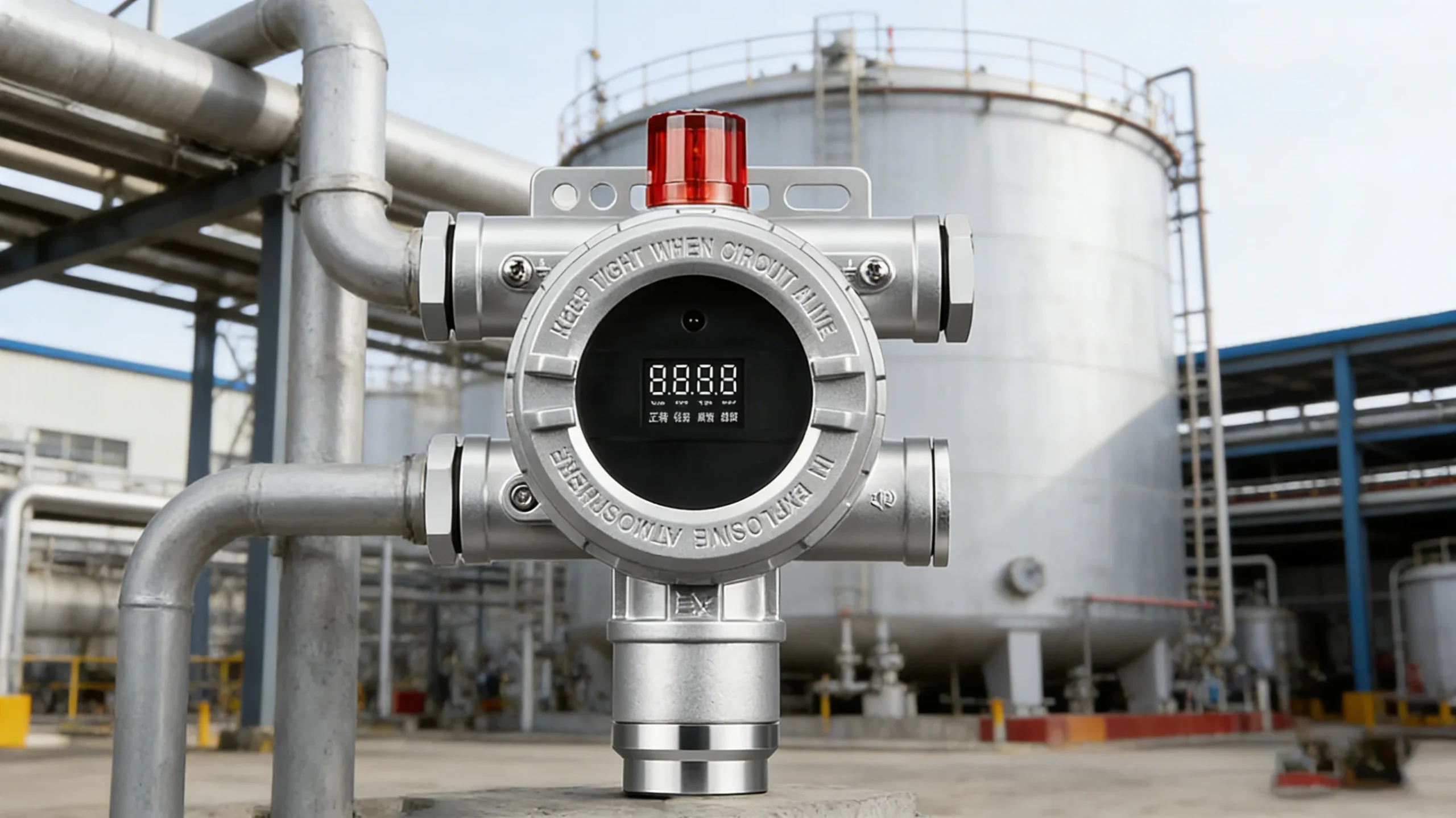
Cloud-Connected Portable Gas Detectors: Are They Worth It for Multi-Site Safety Teams?
-
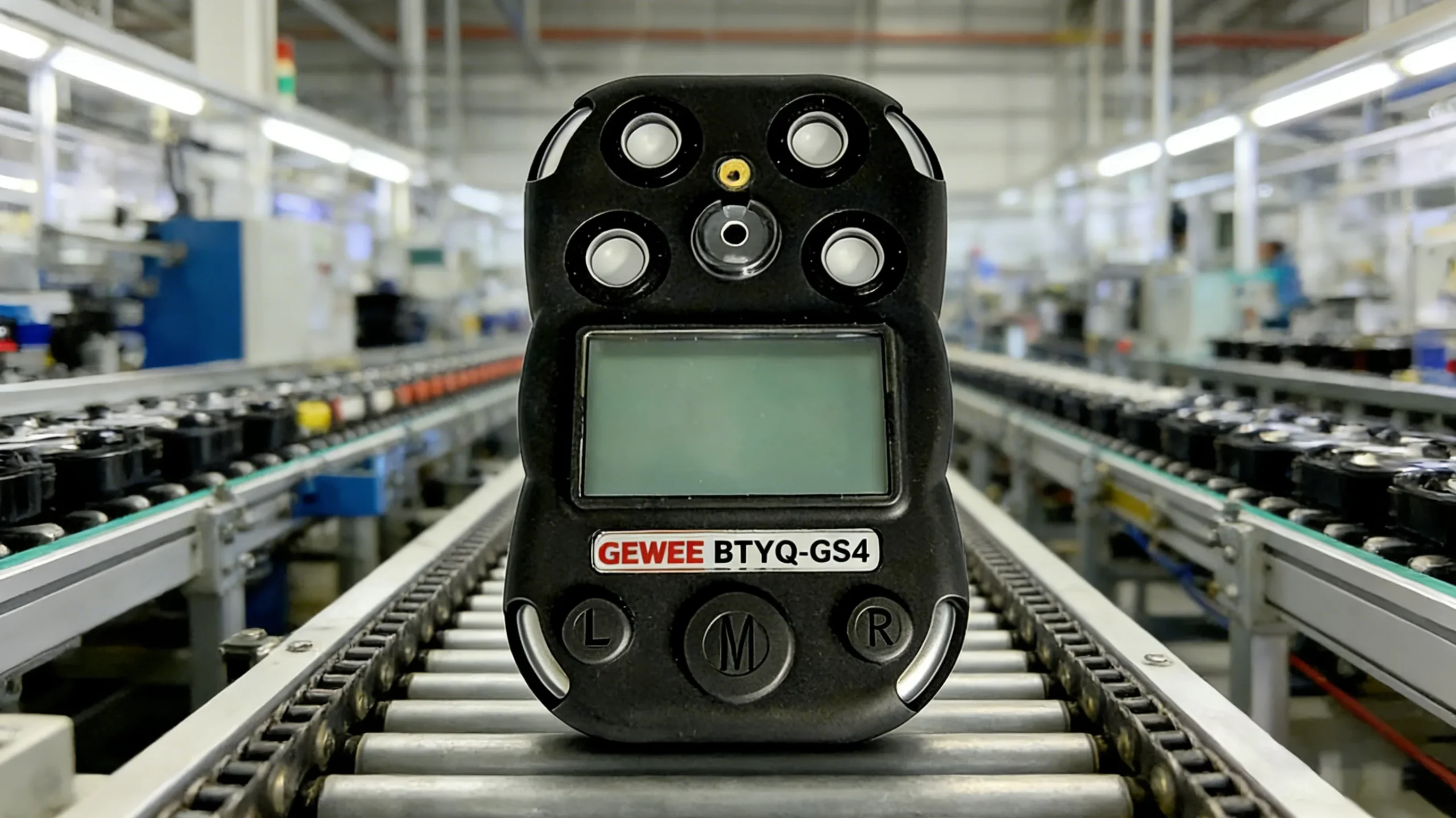
How Hose Length Affects Portable Gas Detector Response Time During Remote Sampling
-
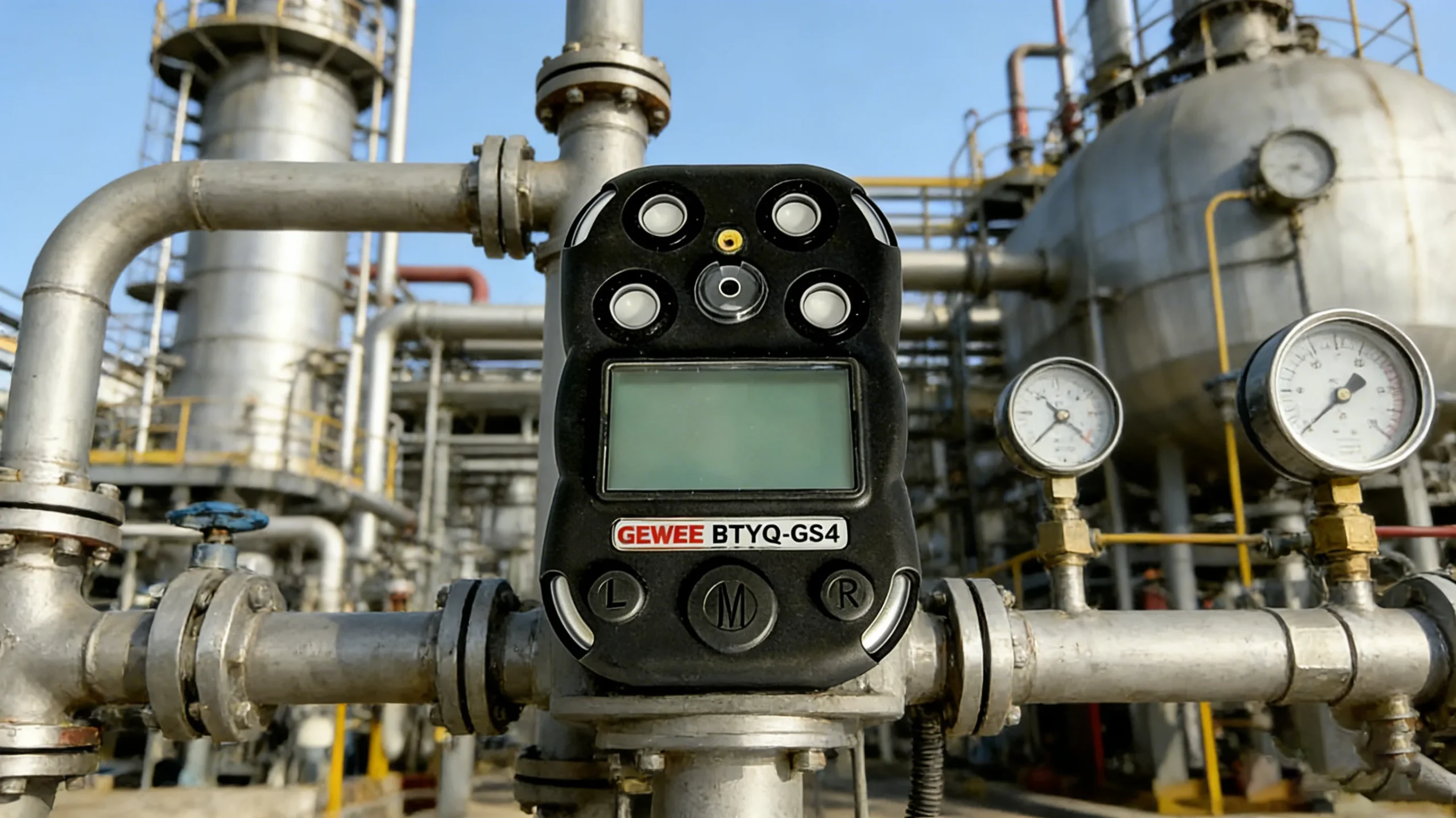
Fresh Air Zero vs Full Calibration: Which One Does Your Portable Gas Detector Need?
-
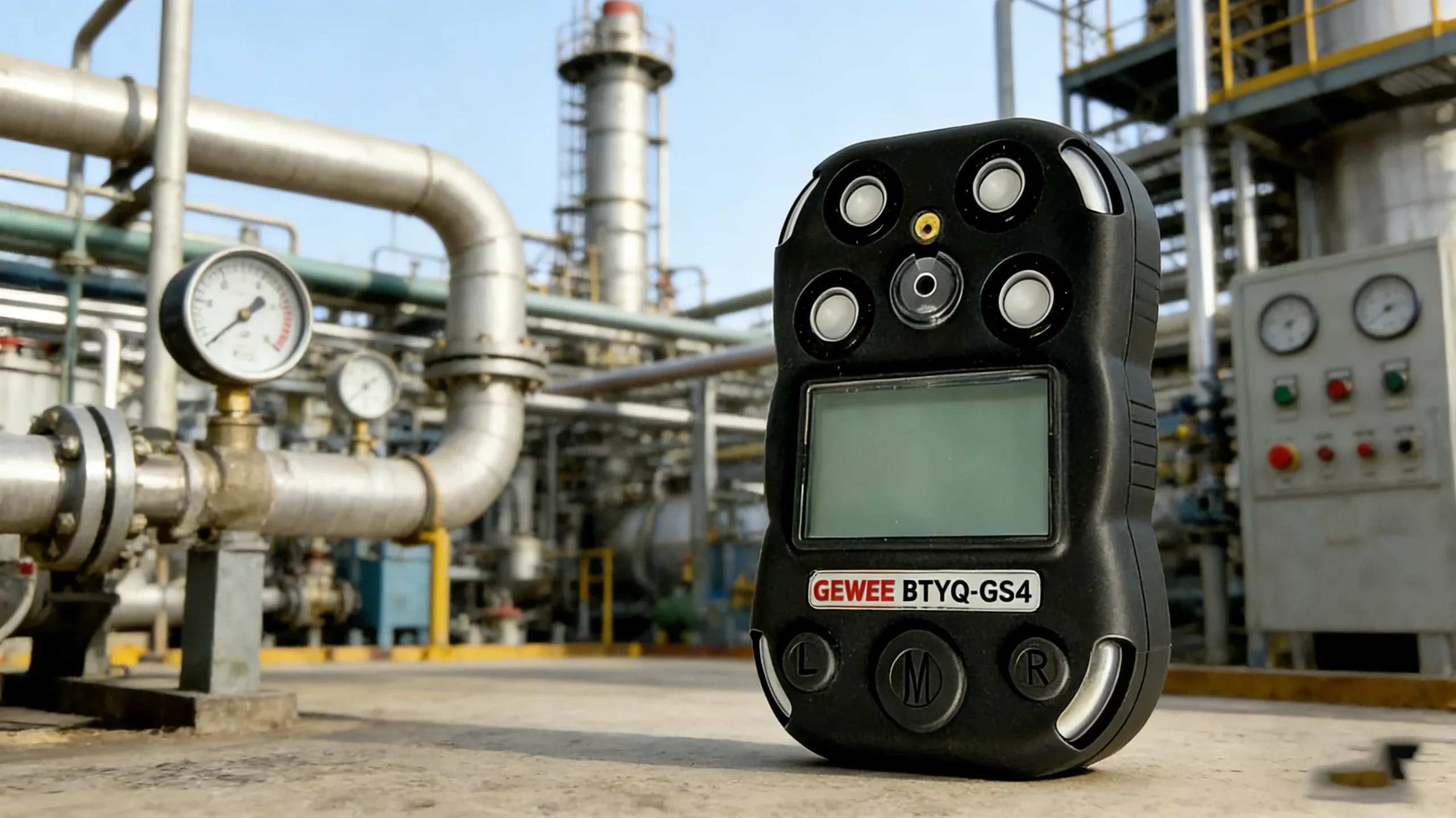
What a 4-Gas Monitor Cannot Detect: When You Need PID, IR, or a Single-Gas Sensor
-
Portable Gas Detector for CO2 Hazards: When a Standard 4-Gas Monitor Is Not Enough
-
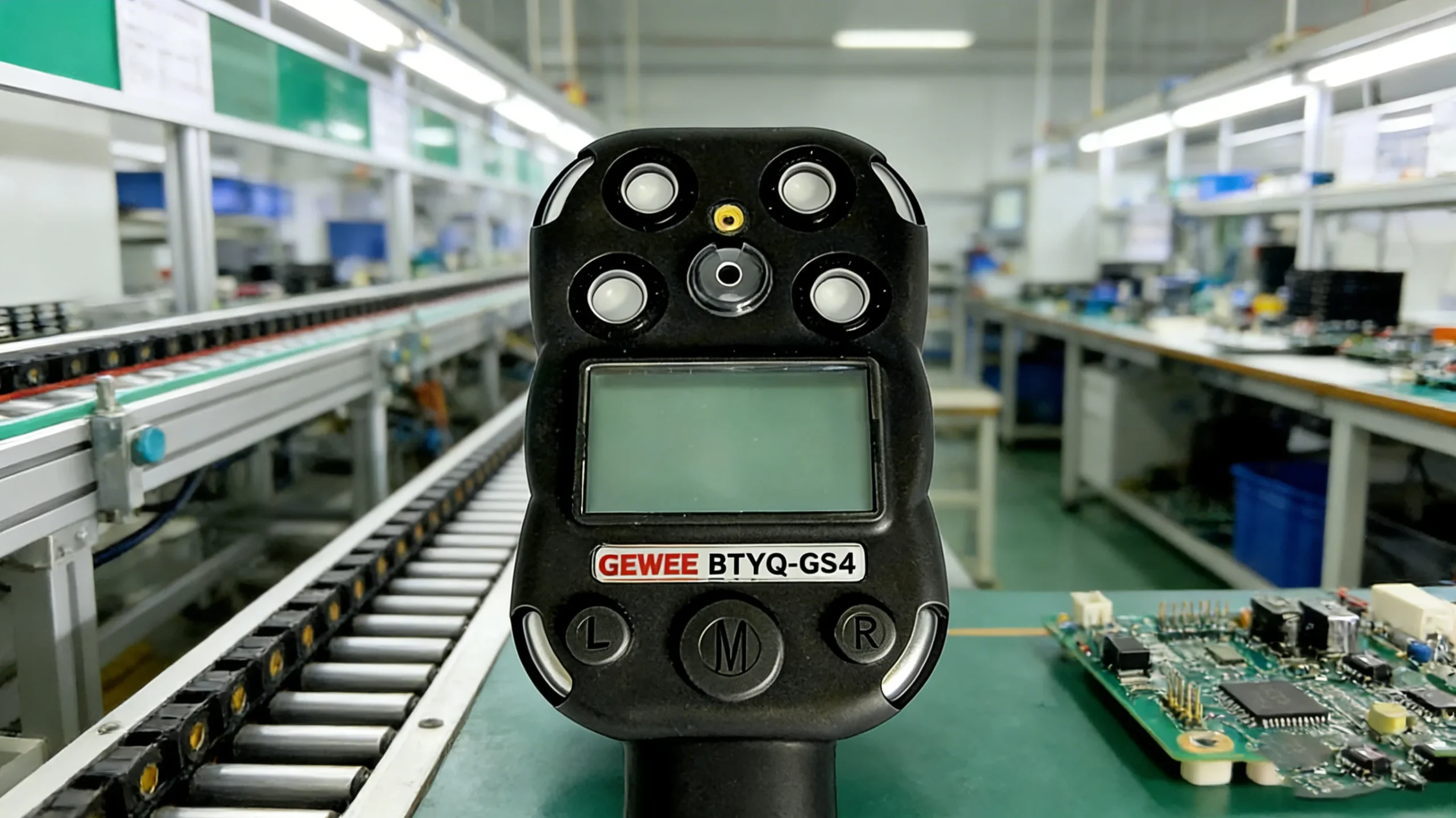
How Often Should You Replace Filters, Pump Diaphragms, and Water Barriers on Portable Gas Detectors?
-
When a Low-Flow Alarm Means a Safety Problem: Fixing Blocked Filters, Bent Hoses, and Water in the Line