
Remote sampling sounds simple: attach a hose, draw air from the space, and read the detector. In practice, hose length changes the behavior of the system more than many users expect. The longer the sample path, the longer the detector needs to pull gas through the line, stabilize, and show a representative reading.
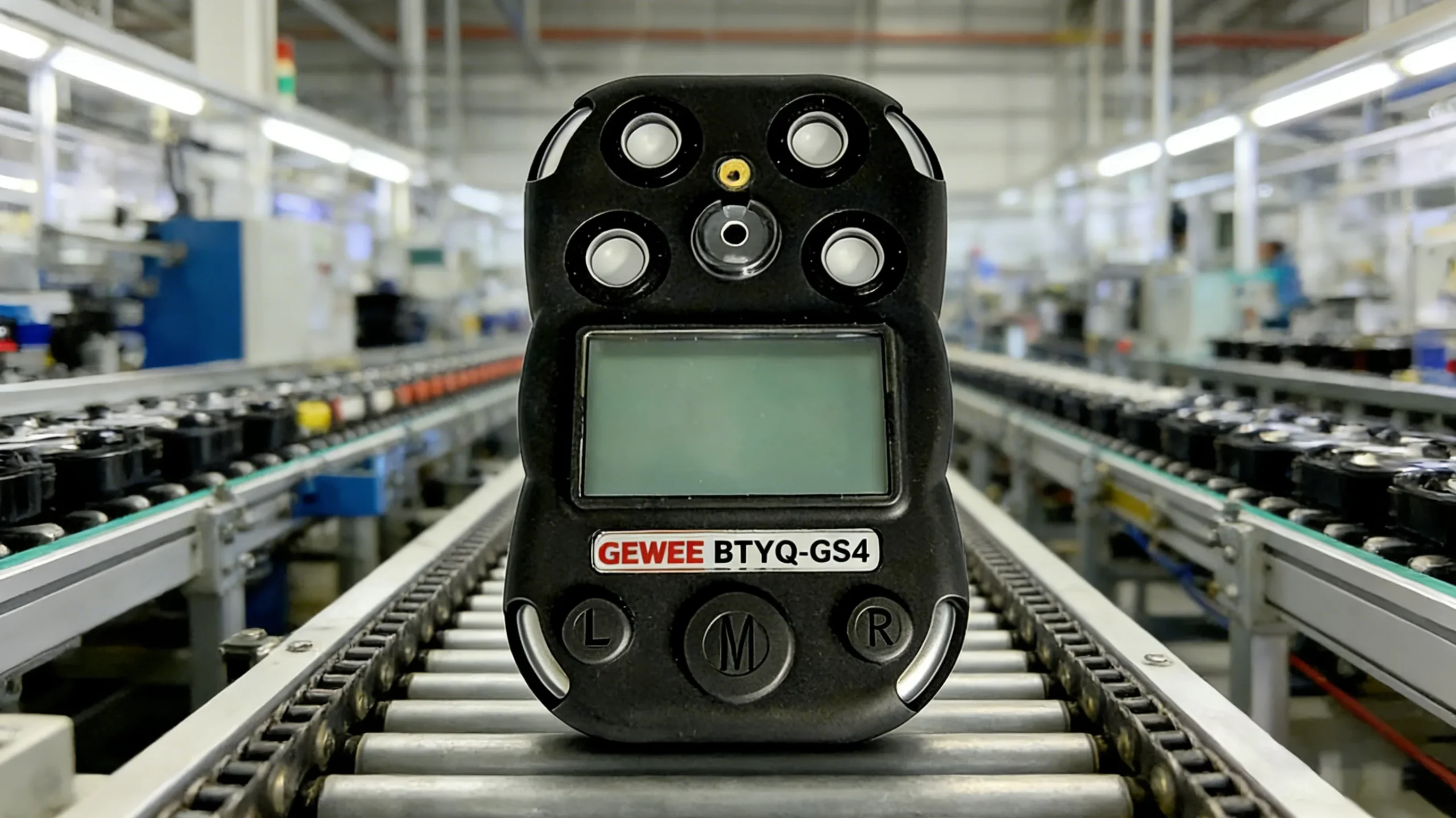
That delay matters because pre-entry testing is not just about getting a number. It is about trusting that the number reflects the atmosphere at the sampling point, not the air still moving through the hose.
Why the delay happens
A pumped portable gas detector has to move gas all the way from the sample point to the sensors. More hose means more internal volume to clear before the target gas reaches the instrument. If the hose is coiled, partially blocked, wet, or fitted with additional accessories, the lag can increase further.
This is one reason why detector choice and sampling method need to be considered together. If your team is still choosing between sampling styles, start with pump vs diffusion portable gas detectors.
Why rushing the reading is dangerous
A common field mistake is to lower a sampling hose, glance at the display too quickly, and treat that first reading as final. The monitor may still be drawing previous air out of the line. In that moment, the detector is not wrong. The user is simply reading it too soon.
What longer hoses change besides speed
Response time is the obvious effect, but not the only one. Long hoses can also increase the chance of:
- Moisture buildup
- Kinks that restrict flow
- Adsorption or loss of certain vapors on tubing surfaces
- Low-flow alarms if resistance becomes too high
Those secondary issues are why remote sampling should be treated as a small system, not merely an accessory attached to a monitor.
How this affects confined-space entry
In confined-space work, waiting long enough at each depth is not optional. Conditions can stratify. Oxygen, flammables, and toxics may not distribute evenly. If your hose length adds delay and your operator moves too quickly, the resulting reading can be falsely reassuring. That is exactly why correct sequence matters in confined-space gas testing order.
Good field habits
The best operators tend to be conservative. They use the shortest practical hose, inspect it before each job, keep filters clean, and allow enough time for the sample to reach the sensors. They also pause at multiple levels instead of treating the space as uniform.
When hose length should influence purchasing
If your crews frequently test pits, tanks, vaults, and vessels from a safe distance, remote sampling is not a minor use case. It is the use case. In that situation, evaluate the pump capability, low-flow behavior, accessory availability, and field-friendly hose setup before choosing a model.
A detector with strong sensors but weak sampling performance may still be the wrong detector for your entry program.