
This confusion shows up in safety meetings all the time: somebody takes a monitor outside, lets it “zero,” and believes the instrument has been calibrated. It has not. Fresh air zero and full calibration are related, but they do very different jobs.
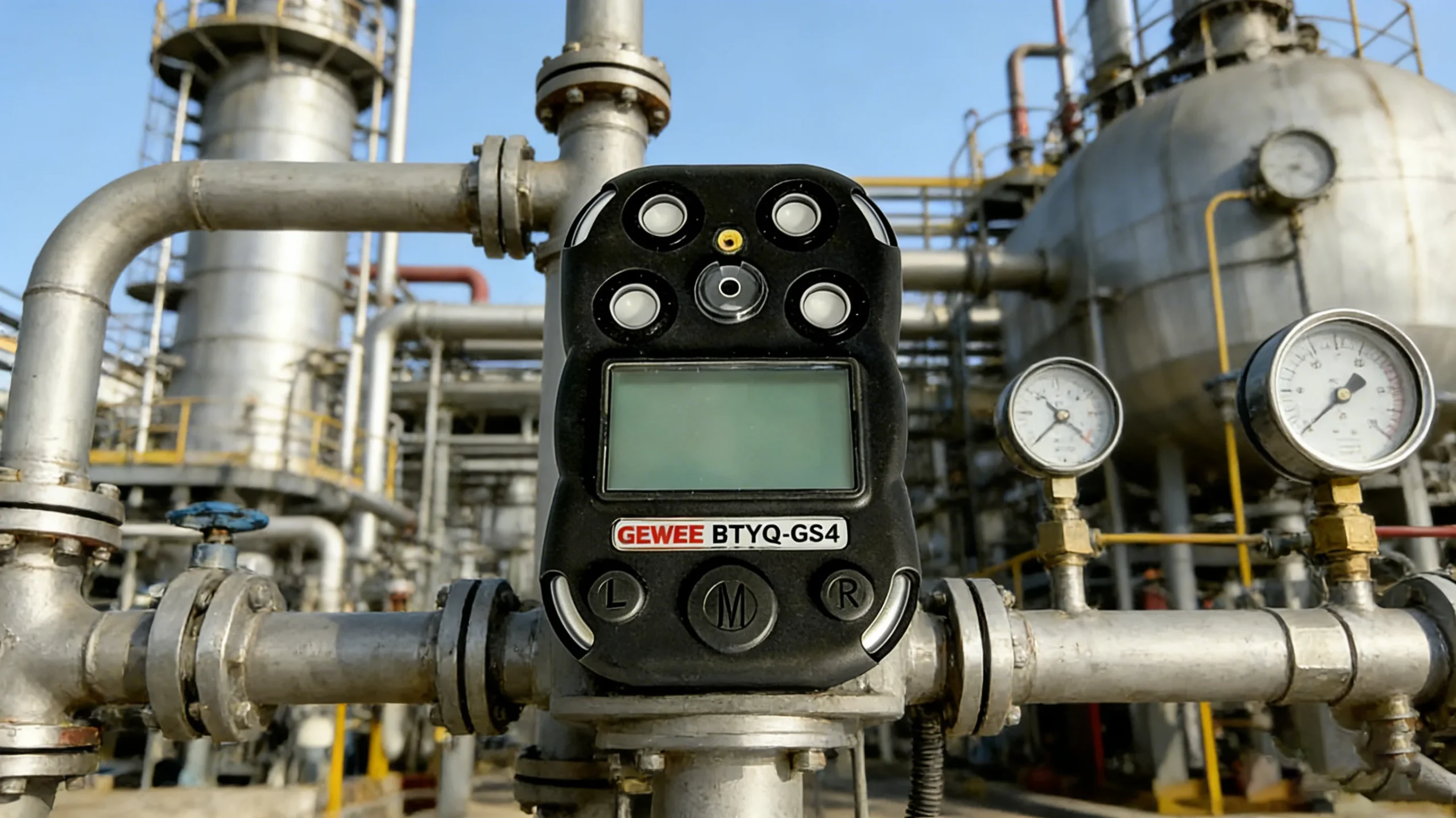
If you mix them up, you end up with a detector that appears ready while its readings may still be drifting, biased, or out of tolerance. For purchasing teams and site supervisors, the distinction matters because it affects downtime, calibration gas consumption, and confidence in exposure readings.
Fresh air zero is a reset of the baseline
Fresh air zero tells the detector, “Use this clean atmosphere as the reference point.” It is mostly about baseline correction. In practical terms, it helps the instrument understand what zero should look like right now for sensors that are sensitive to drift.
That can be useful after transport, storage, or a change in ambient conditions. It can also help if a detector is showing a small offset in known clean air. But a fresh air zero does not verify that the sensor responds correctly at a target concentration. It only tells the unit where the starting line is.
Full calibration checks response against known gas
Calibration applies certified gas at a known concentration and adjusts the instrument so its reading lines up with that reference. This is the process that confirms measurement accuracy. If you are budgeting service intervals or setting up an internal maintenance routine, this is the work described in portable gas detector calibration cost.
A detector can pass fresh air zero and still need calibration. That is especially true after exposure to harsh atmospheres, contamination, age-related drift, or sensor replacement.
Where bump testing fits in
Now add a third term: bump test. A bump test is a quick function check to confirm the sensors and alarms respond to gas. It is not the same as a full calibration, but it tells you whether the unit is awake, responsive, and suitable for immediate use. If you want the cleanest explanation of that relationship, read bump test vs calibration.
So what should you do before a shift?
For day-to-day use, the sequence is usually straightforward:
- Inspect the monitor and accessories
- Zero in confirmed clean air if the instrument and procedure call for it
- Perform a bump test according to site policy and manufacturer guidance
- Use full calibration on schedule or whenever performance is questionable
This aligns well with the process in this 5-minute bump test checklist.
When fresh air zero is the wrong move
Zeroing becomes risky when you are not truly in clean air. If the area contains residual toxic gas, solvent vapors, vehicle exhaust, or oxygen imbalance, the instrument may “accept” a contaminated atmosphere as normal and hide a real hazard later. That is why teams sometimes think a detector has become inaccurate, when the actual problem is that it was zeroed in the wrong place.
When calibration should happen immediately
Do not wait for the routine interval if any of these apply:
- The monitor failed a bump test
- A sensor was replaced
- The unit was exposed to a severe over-range event
- Readings are unstable or obviously wrong
- The detector was stored poorly or contaminated
Those situations justify more than a baseline reset. They require proof that the readings are accurate again.
The simple rule
Use fresh air zero to establish a clean baseline. Use a bump test to confirm response. Use full calibration to confirm accuracy. Once teams separate those three actions, a lot of argument disappears and detector care becomes much easier to manage.