
Popular Posts
- Gas Detection for Lithium-Ion Battery Facilities: Electrolyte Vapors & Thermal Runaway Precursors
- Portable Gas Detector for Mining and Tunnels: Methane, CO, O2, and NO2 Before Entry
- Industrial Scientific Ventis and Tango Alternative: Comparing Sensors, Runtime, and Total Cost
- Honeywell BW Solo vs GEWEE Single-Gas Monitor: H2S, CO, O2 Reliability Compared
- Portable Gas Detector for Hot Work and Welding: CO, NO2, and Oxygen Depletion Monitoring
-
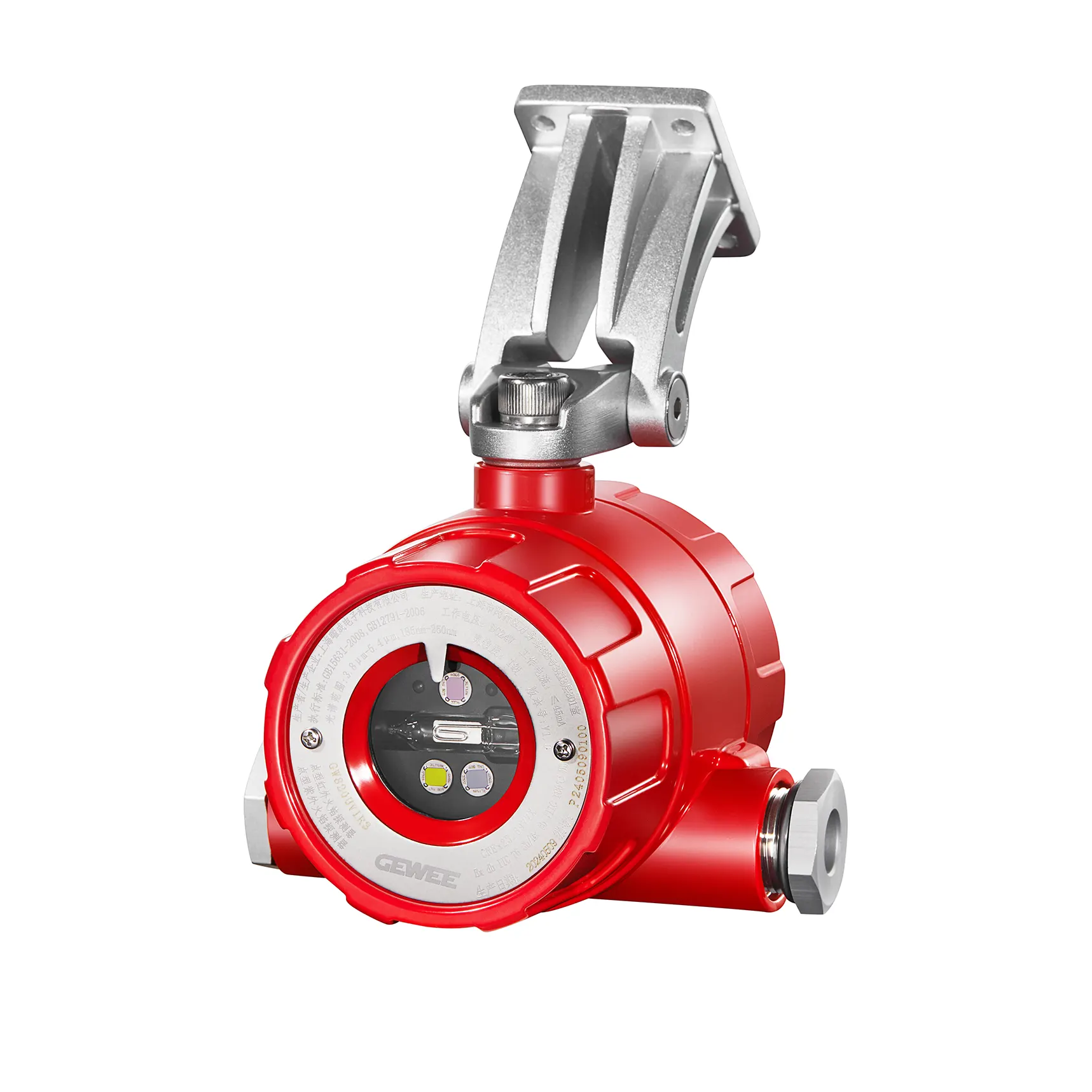
Best Honeywell FS24X Plus Alternative? Why Buyers Compare the GEWEE GW820UVIR3
-
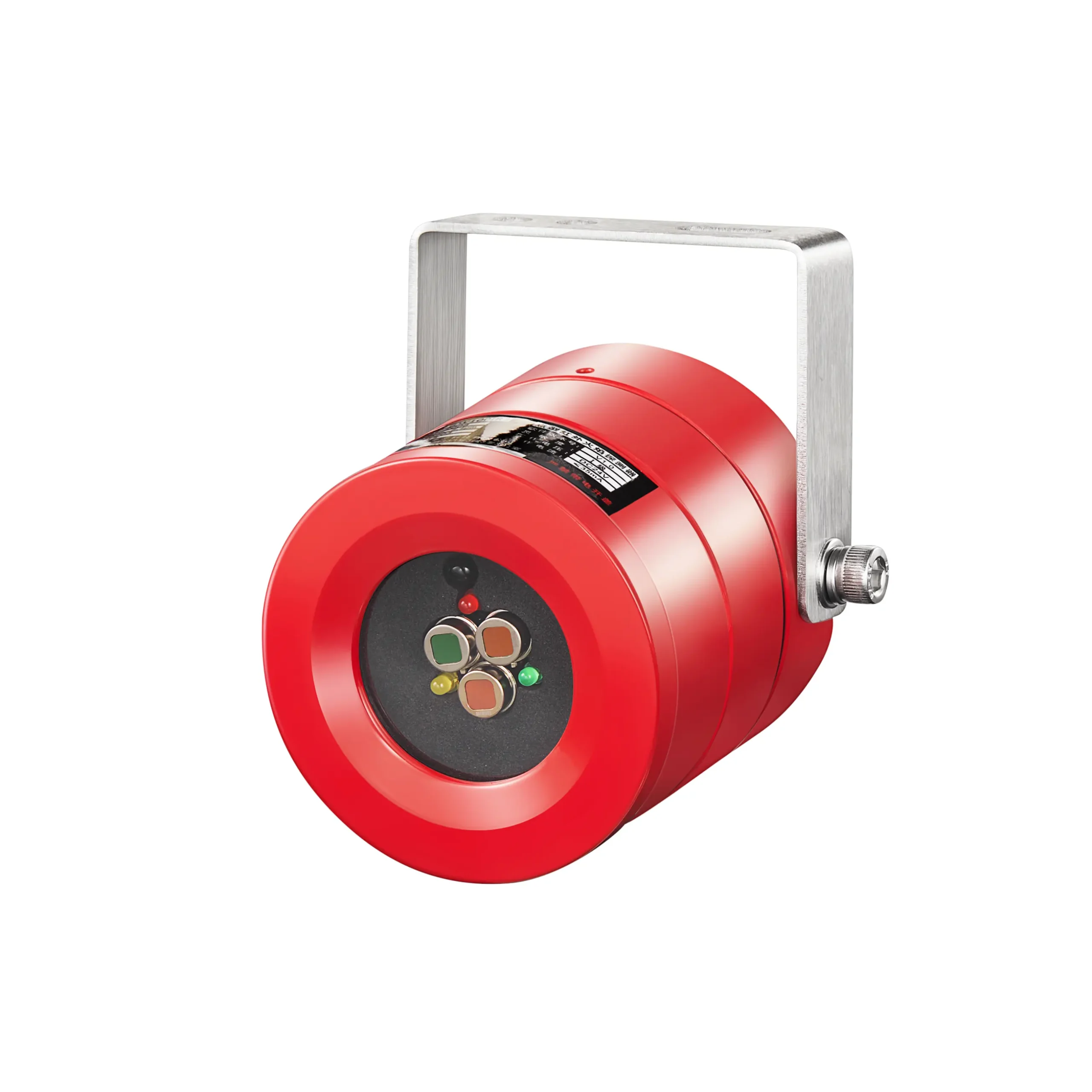
GW100 vs GW800: Which GEWEE Flame Detector Fits Your Plant Layout and Budget Better?
-
GW100 Series vs Det-Tronics X2200: Which Flame Detector Is Better for General Industrial Applications?
-
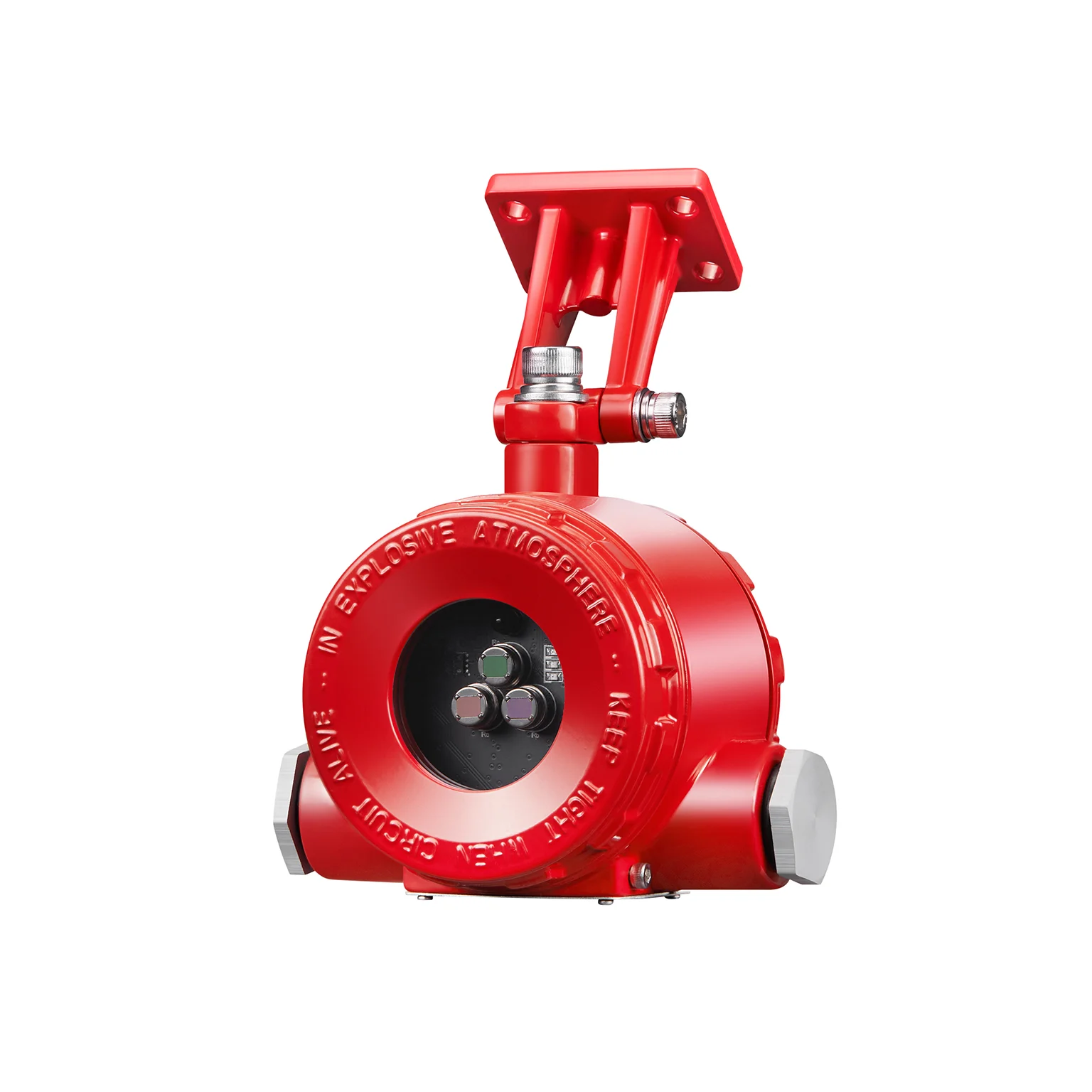
BF150 vs Entry-Level Flame Detectors: Why More Buyers Upgrade for Better Reliability
-
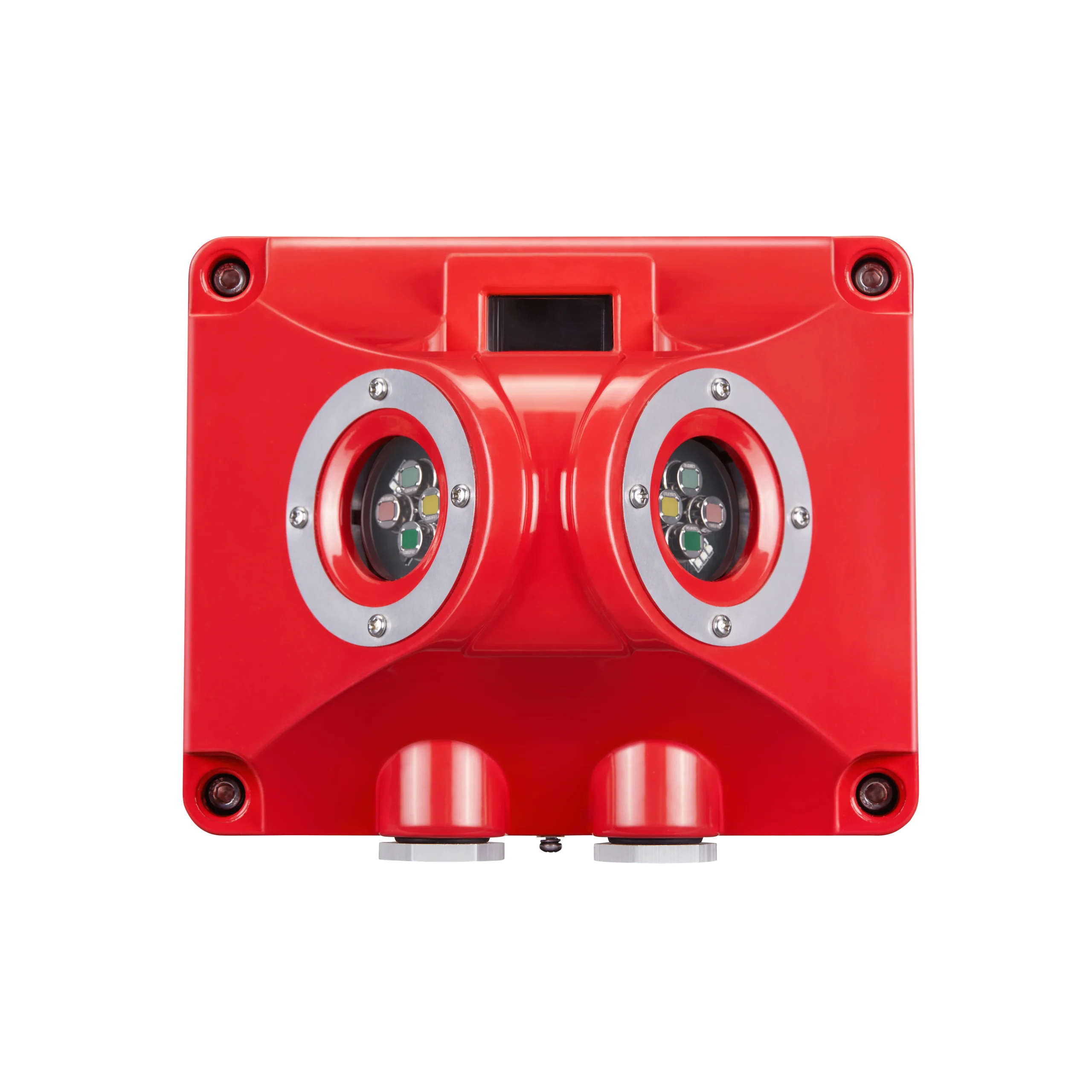
GEWEE vs International Flame Detector Brands: Which Option Is Better for Cost, Lead Time, and Support?
-
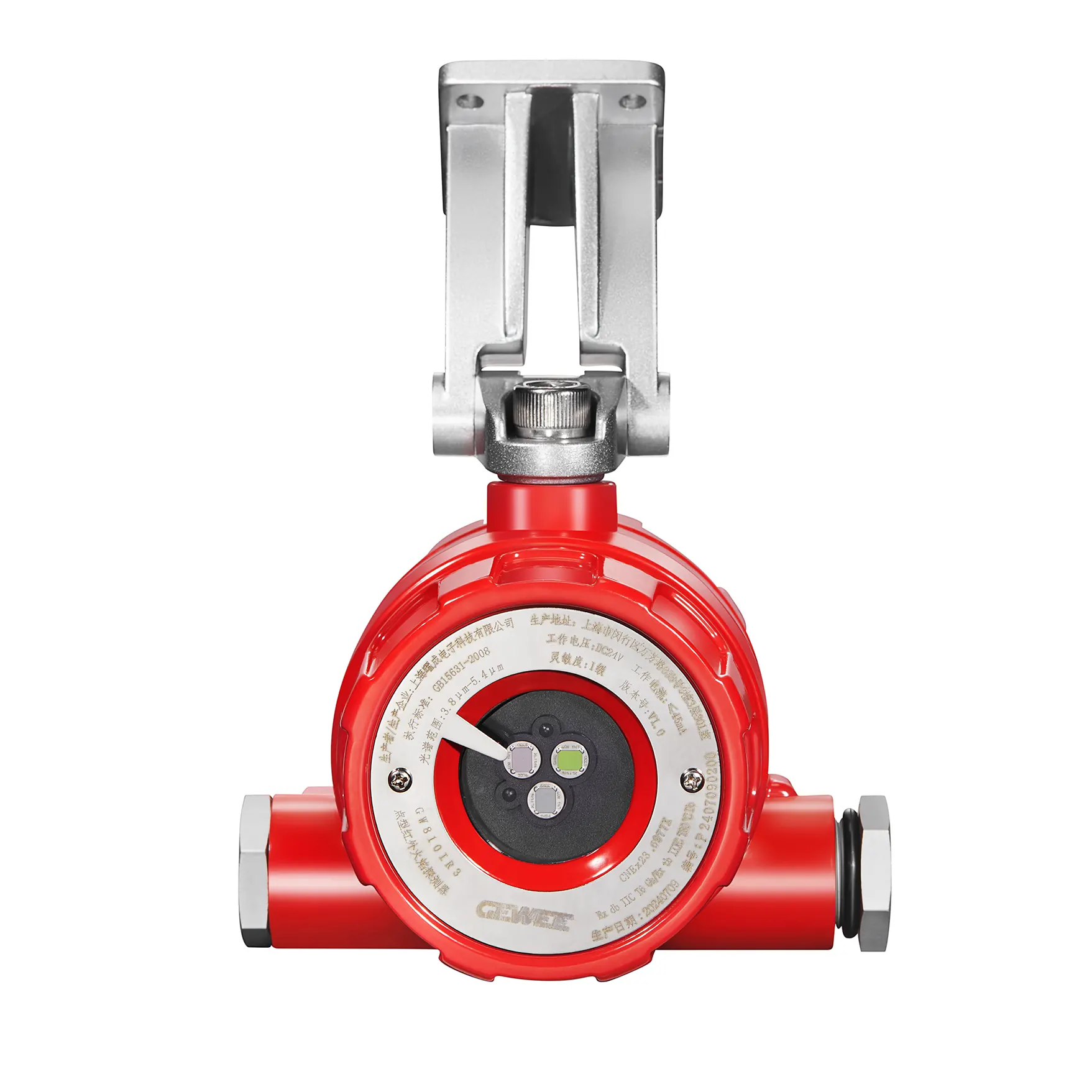
GW810 Series vs MSA FL5000: Which Triple-IR Flame Detector Delivers Better ROI?
-
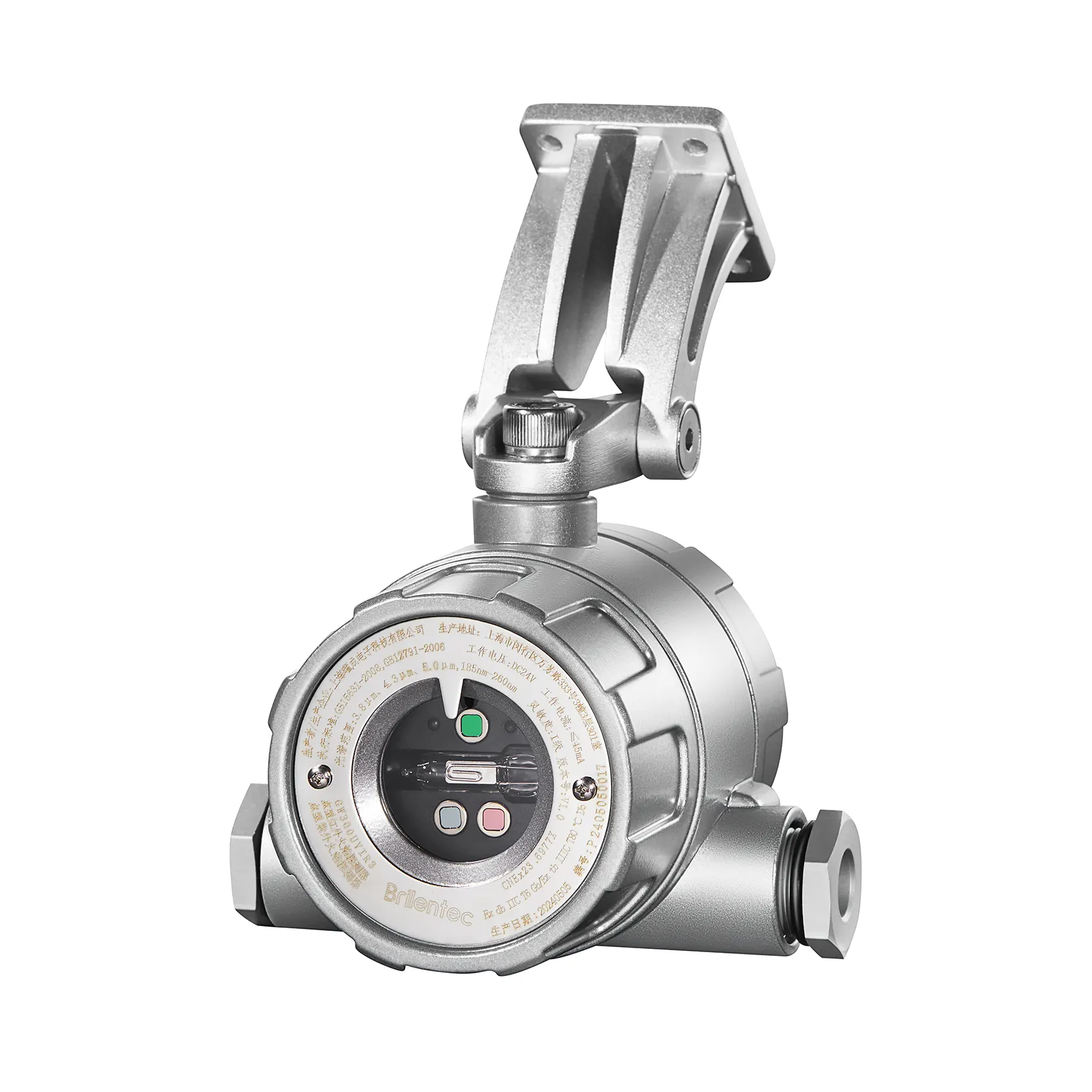
GW300 Series vs Spectrex 20/20MI: Which Flame Detector Performs Better in Complex Environments?
-
GW810 vs GW820: Which GEWEE Flame Detector Should You Choose for Your Project?
-
GW300 vs GW810: How to Choose the Right GEWEE Flame Detector for Your Risk Environment
-
GW820 Series vs Spectrex SharpEye 40/40: A Practical Comparison for Oil and Gas Projects