
For a single facility with a tight team and simple routine, a standalone detector may be enough. But once a company manages multiple sites, rotating contractors, shared fleets, and audit pressure, the question changes. It becomes less about whether one detector can alarm and more about whether the organization can see, prove, and manage what all detectors are doing.
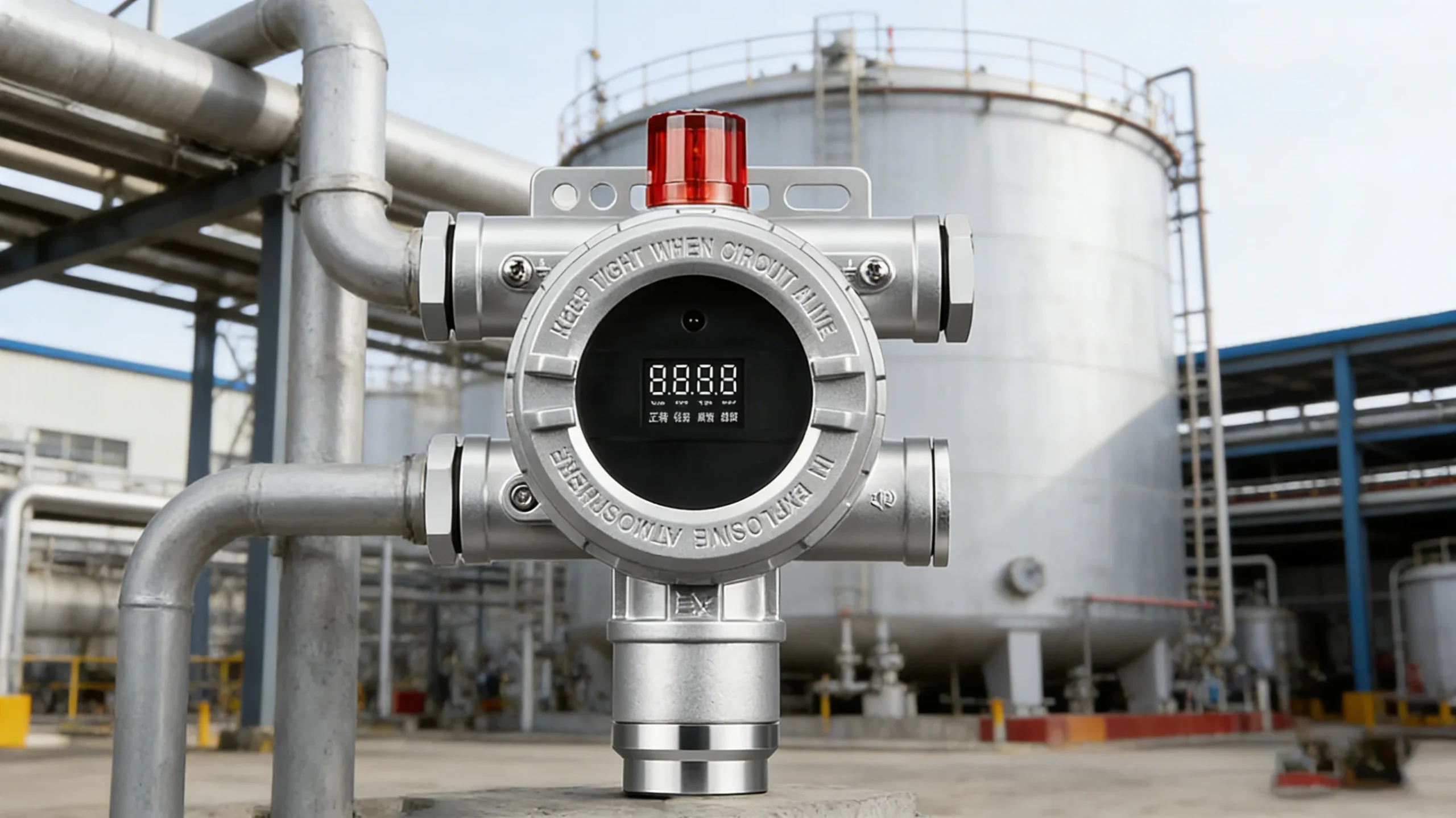
That is where cloud-connected portable gas detectors become attractive.
What “worth it” actually means
Cloud connectivity is not valuable because it sounds modern. It is valuable when it solves a management problem: calibration records spread across locations, missing exposure logs, poor visibility into alarm events, inconsistent maintenance, or difficulty proving compliance during audits.
If none of those problems exist, the extra cost may not justify itself. If several of them exist, connectivity can pay for itself quickly in saved time and cleaner oversight.
Where connected systems help the most
- Companies managing detectors across several sites
- Contractor-heavy operations with shared equipment pools
- Programs that rely on strong audit trails
- Teams that want centralized bump test and calibration records
- Safety managers who need faster visibility into alarms and exposures
The hidden benefit: discipline
One of the biggest advantages is not the dashboard. It is the way connected systems force consistency. Docking, bump testing, calibration history, and exposure records become harder to ignore when they are visible centrally. That often improves the whole program, not just the reporting.
If data handling is already a challenge on your site, this piece on data logging for audits and incidents shows why the records matter even before cloud features enter the discussion.
What to watch out for
Connected does not automatically mean practical. Buyers should ask how data uploads happen, who owns the data, whether offline work is supported, how device provisioning works, and whether the system adds complexity for frontline users. If crews hate the workflow, the software benefit may never materialize.
The decision rule
Cloud-connected portable gas detectors are worth it when your organization’s real pain point is managing the program, not just detecting the gas. For multi-site teams, that is often exactly the pain point. For smaller operations, a solid standalone device with disciplined local procedures may still be the better answer.