
Gas detector sensors do not last forever. They are consumable components that slowly degrade as they react with gases, age in storage, or encounter harsh conditions. Replacing sensors on time is one of the most important steps in keeping a portable gas detector trustworthy.
This guide explains typical sensor lifespan patterns, the signs that replacement is due, and how to build a replacement plan that avoids unexpected downtime.
Why sensors age
Electrochemical and catalytic sensors rely on chemical reactions to measure gas. Over time, those reactions become less efficient. Infrared sensors and PID sensors have different failure modes, but they also degrade due to dust, contamination, or component aging.
Even when a detector is not used often, sensors can still age. Storage conditions, humidity, and temperature swings all contribute to gradual decline.
Typical lifespan patterns by sensor type
Exact lifespans vary by manufacturer and environment, but general patterns are consistent across the industry. Electrochemical sensors often have shorter lifespans than infrared sensors, and catalytic sensors can be shortened by exposure to poisons like silicone or lead compounds. PID sensors require regular cleaning and lamp maintenance to maintain accuracy.
- Electrochemical sensors: often shorter lifespan, sensitive to exposure and humidity
- Catalytic sensors: durable but vulnerable to poisoning and high gas exposure
- Infrared sensors: typically longer lifespan with low drift in clean environments
- PID sensors: require lamp and filter maintenance for stable readings
Always follow the manufacturer’s replacement guidance for your specific model and sensor type.
Signs a sensor is reaching end of life
Most sensors show warning signs before complete failure. If a detector cannot pass calibration, responds slowly to gas, or drifts significantly in clean air, the sensor may be nearing end of life. Repeated calibration failures or unstable zero readings are strong indicators that replacement is needed.
Track response time during bump tests. If a sensor consistently reacts slower than other units, that is a signal to plan a replacement before it fails in the field.
Environmental factors that shorten lifespan
- Frequent exposure to high gas concentrations
- Silicone, lead, or sulfur compounds that poison sensors
- Extreme temperatures or rapid temperature swings
- High humidity or condensation in the sensor chamber
- Storage in hot vehicles or unventilated lockers
Replacement strategies that reduce downtime
Many safety teams use a hybrid approach: replace sensors on a fixed schedule while also monitoring performance. This avoids the risk of unexpected failures between scheduled checks. Keep spare sensors in stock and train technicians on the correct replacement process for each model.
For high-use fleets, schedule replacements during annual service or a planned maintenance window to avoid disrupting critical work. For low-use fleets, use calibration performance to trigger replacements.
Calibration versus replacement
Calibration corrects drift, but it cannot fix a sensor that has reached the end of its functional life. If a sensor repeatedly fails calibration or only passes with extreme adjustments, replacement is the safer and more cost-effective choice.
Recordkeeping and asset tracking
Track sensor installation dates, calibration results, and exposure incidents. This data helps you predict replacement cycles and budget for future maintenance. It also provides a clear record during audits and supports warranty claims if a sensor fails early.
Plan for spares and procurement
Sensor lead times can delay repairs during busy seasons. Maintain a small spare inventory based on your fleet size and critical tasks. A modest inventory prevents a single failed sensor from grounding a detector needed for a high-risk job.
Product spotlight for flexible sensor options
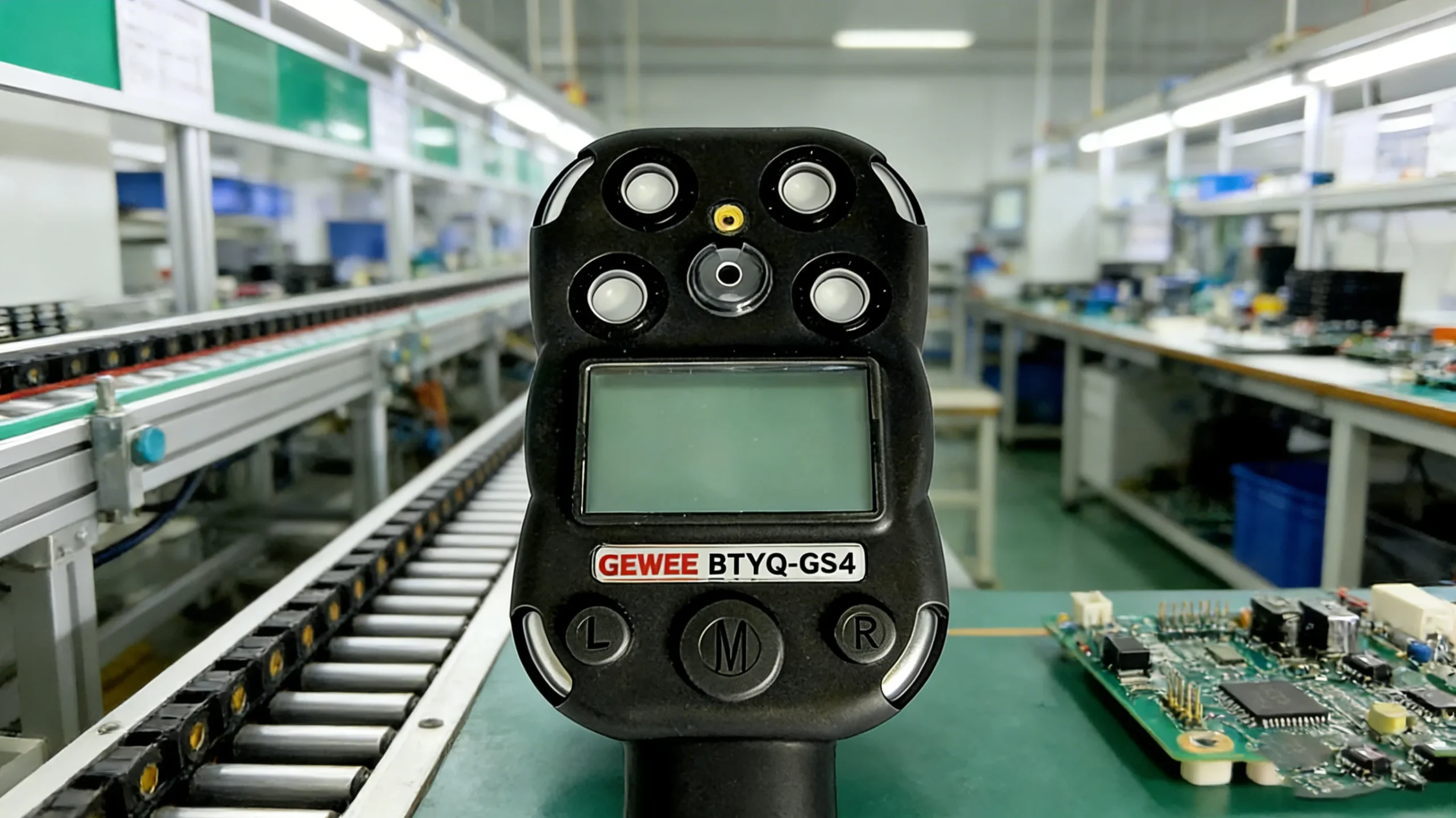
The BTYQ-GS4 portable gas detector supports catalytic combustion, electrochemical, and infrared sensor options, allowing teams to configure the right sensor mix for their hazards. It also offers sound, light, and vibration alarms above 95 dB at 30 cm and an IP67-rated housing for harsh job sites.
That flexibility makes it easier to standardize a fleet while still meeting specific job risks.
Final takeaway
Sensor replacement is not optional. It is the difference between a trusted detector and a risky guess. Build a replacement schedule, track performance trends, and act early when sensors show signs of aging. Your crews will be safer, and your maintenance costs will be more predictable.