
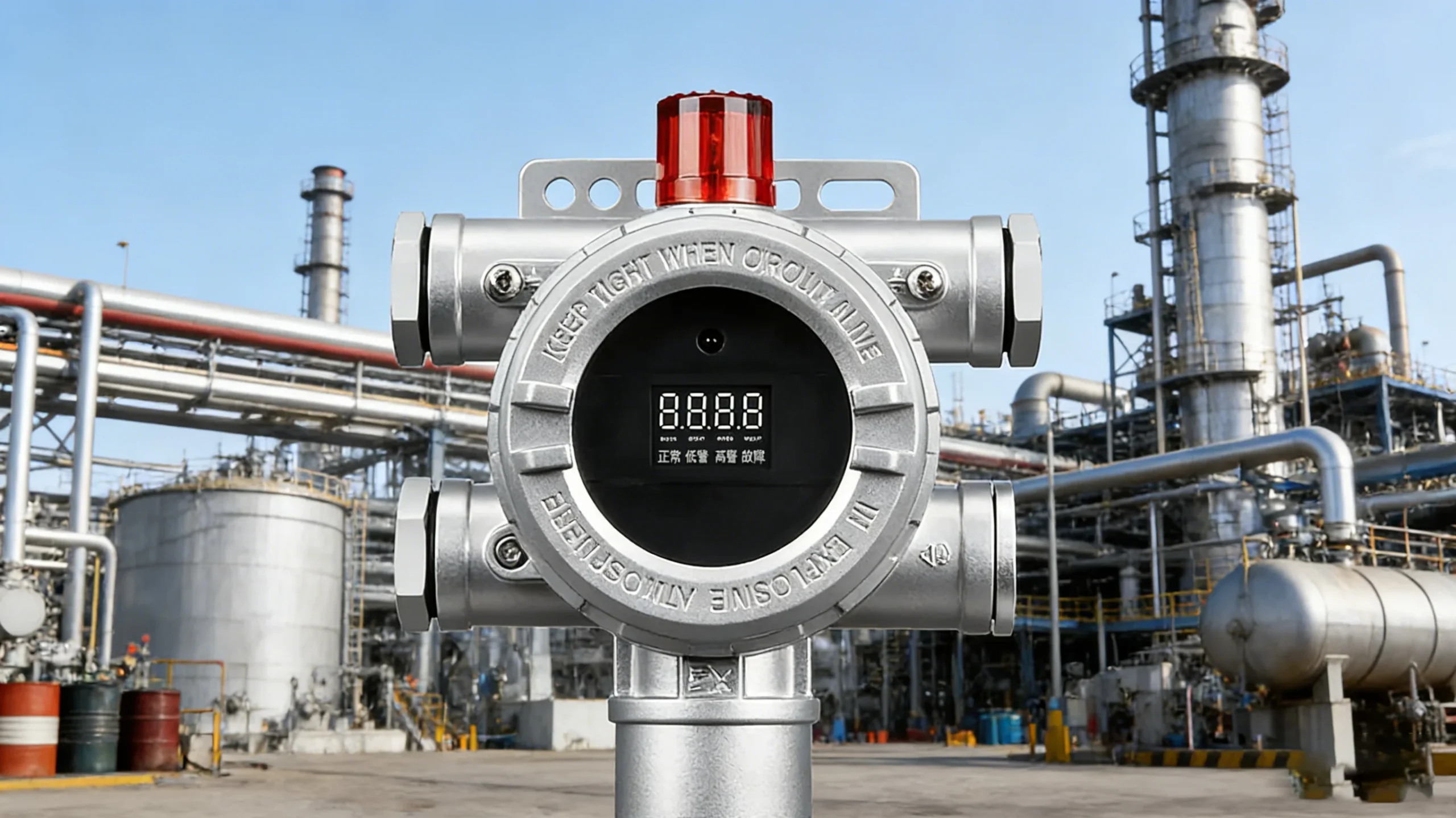
Many workers can read a live gas value on a detector, but fewer can confidently explain what STEL, TWA, and Ceiling actually mean during a shift. That gap creates risk. A safe response depends on understanding whether the alarm represents an immediate threat, a short-term exposure problem, or a full-shift overexposure trend. This article gives a practical way to interpret each limit on a multi-gas monitor.
Quick Definitions You Can Use in the Field
- TWA (Time-Weighted Average): average exposure over a full work period, often 8 hours. It tracks cumulative exposure, not just current reading.
- STEL (Short-Term Exposure Limit): average exposure over a short window, commonly 15 minutes. It helps prevent acute effects from short high exposures.
- Ceiling Limit: concentration that should never be exceeded, even momentarily. If the gas has a ceiling value, response must be immediate.
Why One Live Number Is Not Enough
A monitor showing a low current ppm can still represent unsafe exposure when STEL or TWA is elevated. For example, a worker may move from a higher-concentration area into clean air; the live value drops quickly, but short-term or cumulative exposure remains high. This is why safety decisions should use all three indicators, not only the instantaneous reading.
How Multi-Gas Monitors Calculate Exposure Metrics
Most instruments sample continuously and update rolling averages. In simple terms:
- TWA uses time-weighted accumulation across the shift.
- STEL uses a rolling 15-minute average (or device-specific short window).
- Ceiling is compared against real-time concentration each moment.
Because implementations vary by brand and firmware, always verify your specific monitor behavior in the manufacturer manual and site procedure.
Practical Interpretation Framework
1) Ceiling alarm triggers
Treat as an immediate hazard event. Stop work, move to safer air, and escalate per site emergency procedure. Do not stay in area waiting for average values to normalize.
2) STEL alarm triggers, live value is moderate
This typically indicates repeated short high exposures over recent minutes. Move to clean air, reassess task method, ventilation, and proximity to release points. Resume only when approved by procedure and supervision.
3) TWA alarm triggers late in shift
This is often a cumulative exposure control issue. It may reflect many low-to-mid exposures rather than one obvious spike. Investigate work pattern, time in zone, respiratory controls, and rotation strategy.
Example: Reading Exposure Trends During One Shift
Consider a technician working near intermittent venting:
- 08:30-10:00: low background readings, no alarms.
- 10:15-10:35: several short spikes during valve operations.
- 10:40: live value falls, but STEL approaches alarm threshold.
- 14:30: repeated minor exposures accumulate and TWA alarm appears.
If the team only looks at live values, the risk appears small. When STEL and TWA are reviewed together, the control strategy clearly needs adjustment.
Setting Alarm Logic for Better Decisions
An effective gas detection program aligns alarm thresholds with operational response actions:
- Low alarm: caution, verify source, increase awareness.
- High alarm: withdraw to safer location and control exposure.
- STEL/TWA alarms: trigger exposure management actions even when instant reading looks acceptable.
- Ceiling alarm: immediate evacuation or emergency response per procedure.
Alarm values must match applicable regulations, gas properties, and internal risk criteria.
Common Misinterpretations to Avoid
- “No current spike means no risk.” False. STEL/TWA can remain high after spikes pass.
- “TWA alarm means the sensor is faulty.” Usually false. It often indicates real cumulative exposure.
- “STEL equals ceiling.” Incorrect. STEL is short-window average; ceiling is never-exceed instant limit.
- “Resetting the detector solves exposure.” Never use resets to bypass exposure management decisions.
Supervisor Checklist for Better Use of STEL/TWA Data
- Train operators on metric meaning, not just alarm sounds.
- Review trend data after shifts with alarms.
- Link alarm types to mandatory response actions.
- Verify sensor configuration, sampling strategy, and clock/time settings.
- Audit whether teams are making decisions from all exposure indicators.
Bottom Line
STEL, TWA, and Ceiling are not technical extras. They are decision tools that tell different parts of the exposure story: immediate danger, short-term intensity, and shift-long dose. Teams that interpret all three correctly make faster, safer, and more defensible field decisions.
Use this framework in toolbox talks and pre-job briefs so every monitor user understands exactly what each alarm type means and what action is required.