
Ammonia refrigeration is one of those applications where generic gas detection advice stops being useful very quickly. The gas hazard is specific, the environment is specialized, and the cost of choosing the wrong detector can show up in both safety risk and poor maintenance response.
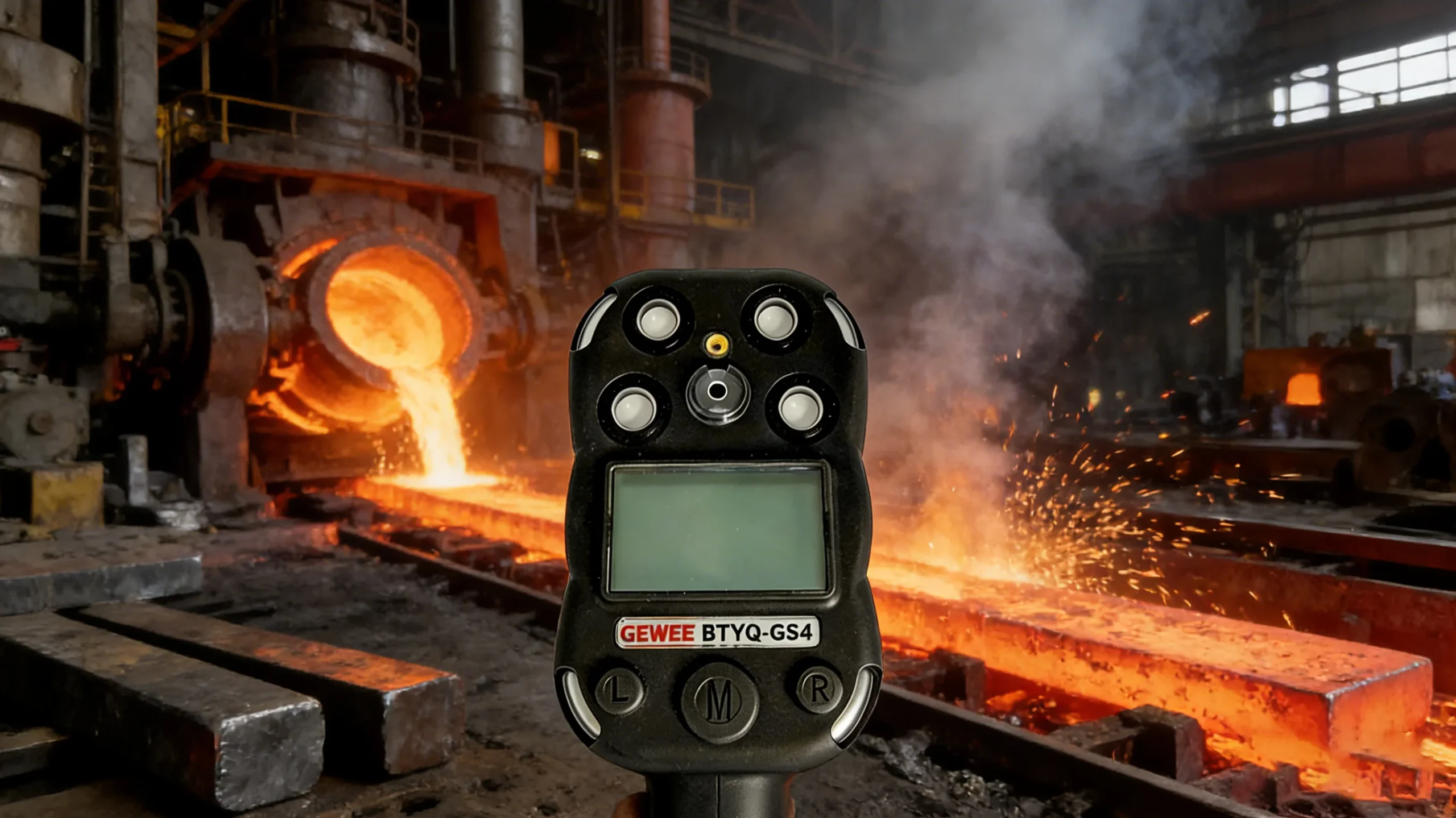
For buyers in cold storage, food processing, ice facilities, and industrial refrigeration, the question is not whether gas detection matters. The question is what kind of portable detector actually fits ammonia work.
Why ammonia requires its own conversation
A standard 4-gas monitor may cover oxygen, combustibles, carbon monoxide, and hydrogen sulfide, but that does not mean it covers ammonia. In many refrigeration facilities, ammonia is the headline hazard. If it is not one of the measured gases, the detector is solving the wrong problem.
This is exactly the kind of gap discussed in what a 4-gas monitor cannot detect.
Single-gas or multi-gas?
That depends on the task. For technicians specifically focused on ammonia leak investigation, a dedicated ammonia detector may be the cleanest option. For teams entering mixed-risk areas, a multi-gas configuration that includes oxygen and other relevant channels may make more sense. The key is that ammonia must be measured directly, not assumed from smell or process conditions.
Sensor choice and measurement range
Portable ammonia detection typically relies on electrochemical sensing for occupational exposure monitoring, but range selection matters. A detector intended for routine leak investigation may need a different span than one intended for low-level worker exposure awareness. Ask whether the instrument is optimized for small leaks, response speed, and realistic alarm management in your plant—not just whether it can technically detect NH3.
Alarm settings should match the job
Alarm philosophy matters in refrigeration work because technicians often move between machine rooms, valve areas, and maintenance tasks. Settings that are too low may create constant nuisance alarms. Settings that are too high may delay action. Buyers should align setpoints with applicable internal policy, regulatory expectations, and whether the instrument is being used for personal exposure warning, leak investigation, or both.
If your team is still building its alarm logic process, this article on how to choose alarm setpoints gives a useful framework, even though ammonia requires its own values.
Cold environments change the buying decision
Refrigeration sites also add environmental pressure. Cold temperatures, condensation, gloves, and bulky PPE all affect usability. A detector with decent sensing but poor cold-weather ergonomics can be a frustrating fit in actual maintenance work.
What a buyer should ask suppliers
- What ammonia range options are available?
- How quickly does the sensor respond in real refrigeration environments?
- How does the instrument perform in cold and humid conditions?
- Is there a pumped option for remote checks?
- What maintenance burden should the site expect each year?
The practical bottom line
For ammonia refrigeration, the best portable detector is not the most popular general-purpose monitor. It is the unit whose sensors, range, alarms, and field usability align with ammonia as the primary risk. Once buyers accept that, the shortlist gets much clearer.