
Carbon dioxide is familiar, which is part of the problem. Because it is common, people often underestimate it. They associate gas detection with exotic toxics or flammables and forget that CO2 can create very serious atmospheric risk in breweries, beverage plants, laboratories, food processing, dry ice operations, indoor agriculture, and enclosed process areas.
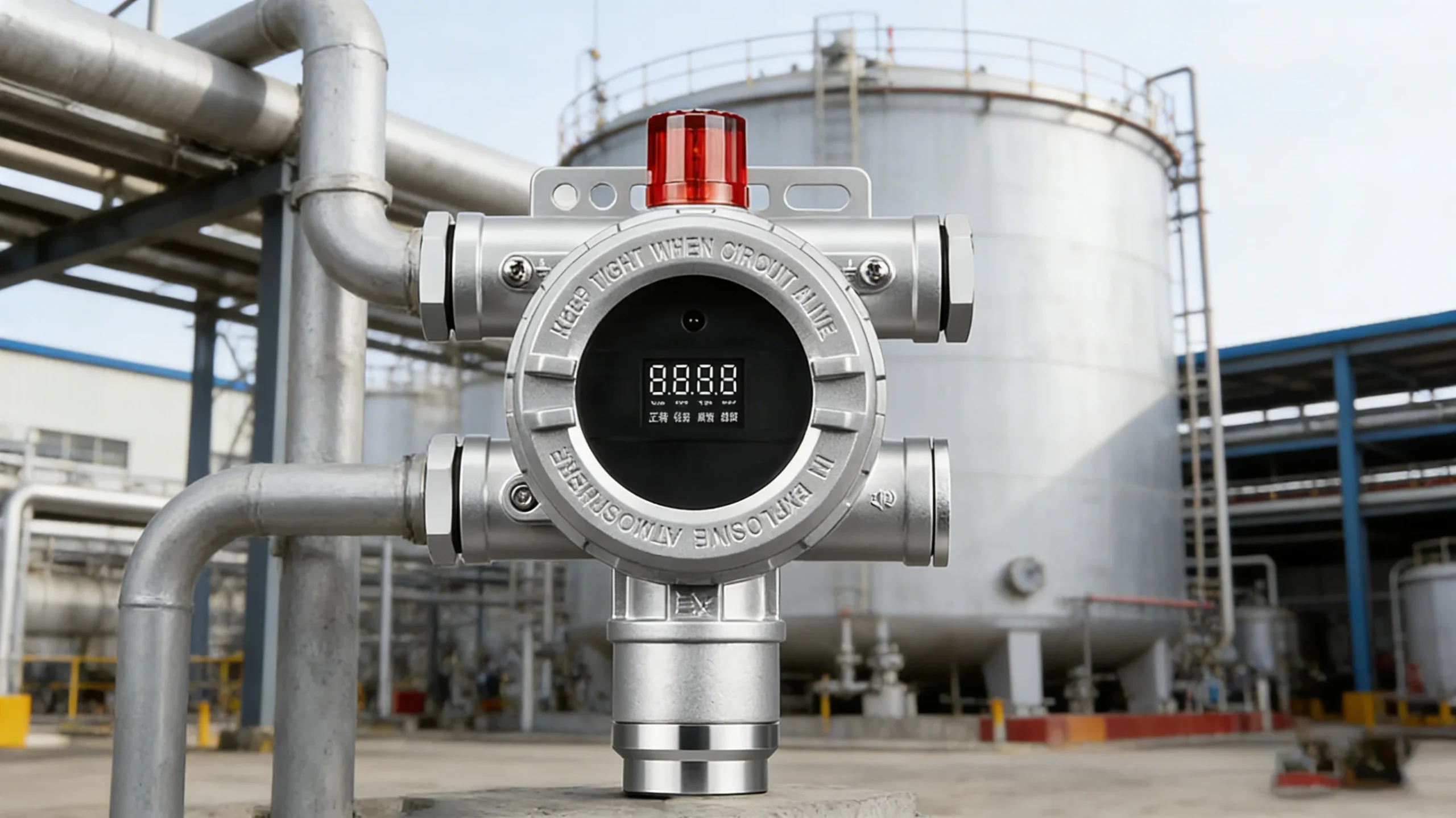
A standard 4-gas monitor may still be the wrong tool here.
Why CO2 gets overlooked
Teams see oxygen on a 4-gas monitor and assume that oxygen depletion will tell the full story. Sometimes it helps, but it is not the same as direct carbon dioxide measurement. If CO2 is the hazard of interest, then direct CO2 monitoring gives the clearer picture—especially where concentrations can rise before workers recognize the danger.
Where portable CO2 detection matters most
The need becomes obvious anywhere carbon dioxide is generated, stored, transferred, or released in spaces where ventilation is imperfect. Breweries and beverage filling operations are classic examples, but not the only ones. CO2 can accumulate in cellars, rooms with cylinders, process enclosures, and maintenance spaces where people do not expect a toxic-looking atmosphere.
Why oxygen alone is not enough
Oxygen deficiency alarms are important, but they tell you the atmosphere is already moving in the wrong direction. Direct CO2 measurement helps identify the gas responsible and can provide earlier, more specific information. That matters for troubleshooting, ventilation response, and selecting the correct protective measures.
Choosing a CO2-capable portable detector
Buyers should focus on three things: the actual concentration range expected, whether the instrument is intended for personal warning or leak investigation, and how the device behaves in the real environment. That includes response speed, display clarity, pump options, and routine maintenance burden.
If your team is weighing broader sensor packages, this article on sensor types is useful background because CO2 detection often involves a different sensing approach than standard toxic channels.
Applications where this matters immediately
- Breweries and beverage production
- Cold rooms and food processing spaces using CO2 systems
- Cylinder storage and gas distribution rooms
- Research and laboratory environments
- Any enclosed space where CO2 may accumulate quietly
The buying lesson
If your hazard assessment points to carbon dioxide, do not let a standard 4-gas monitor create false confidence. It is an excellent tool for the hazards it is designed to detect. CO2 often requires a different tool because the question itself is different.