
On paper, both catalytic bead and infrared LEL sensors help you monitor combustible gas. In the field, they behave very differently. That difference becomes critical in low-oxygen atmospheres, nitrogen-purged systems, and process areas where catalytic sensors may be poisoned or starved of oxygen.
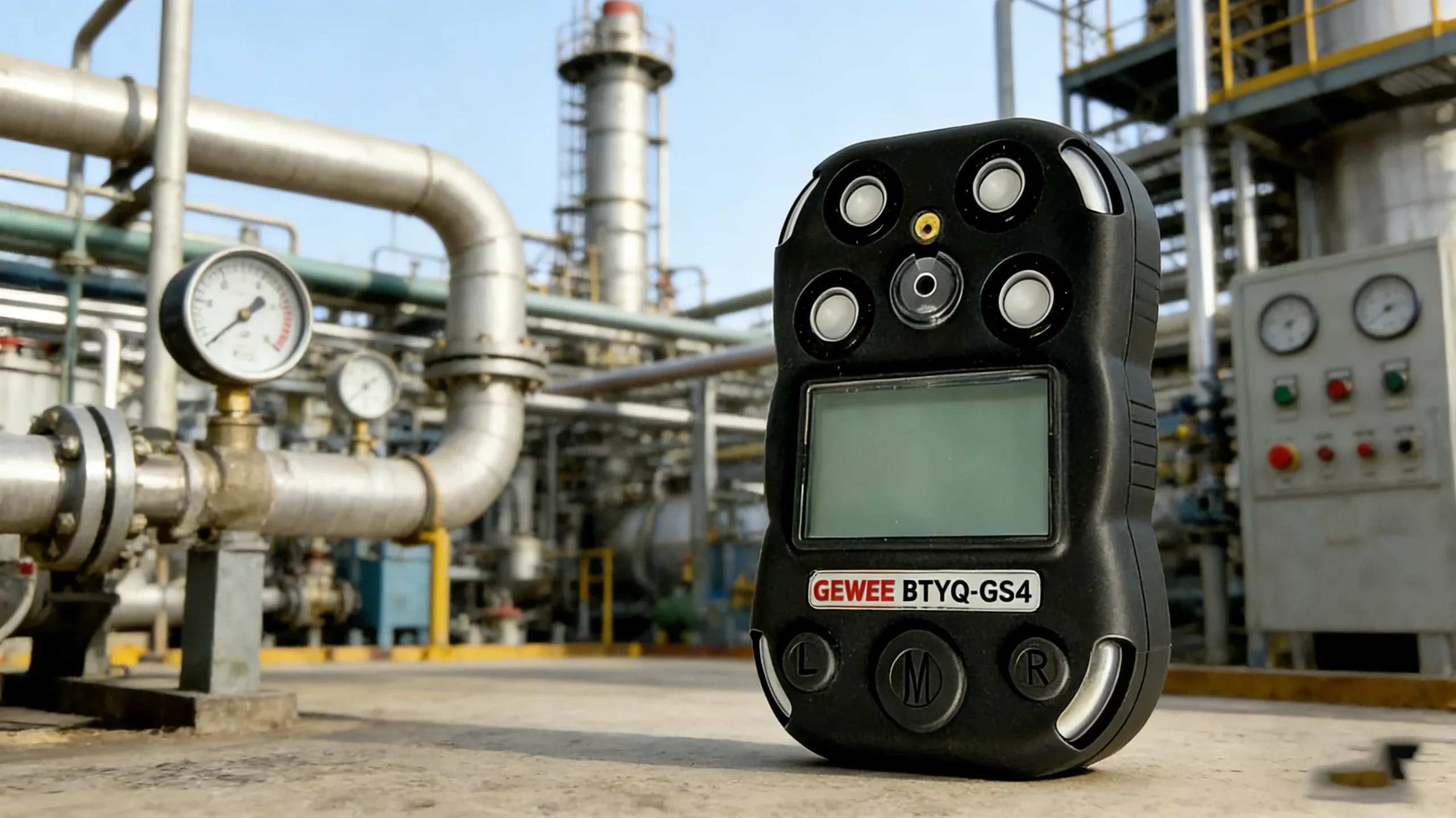
If you only compare brochures, both options can look interchangeable. They are not.
Why catalytic bead sensors remain common
Catalytic bead sensors are widely used because they are familiar, effective in many everyday combustible applications, and often economical. For normal atmospheric conditions, they do a solid job. This is part of why so many standard portable units still rely on them for flammable gas channels.
If your team is still learning how combustible channels behave in day-to-day use, it helps to review what LEL readings mean before choosing a sensor type.
Where catalytic sensors struggle
A catalytic bead sensor needs oxygen to oxidize the combustible gas on the bead. In a low-oxygen or inerted environment, that operating principle becomes a liability. The detector may under-read or fail to represent the actual combustible risk accurately because the chemistry it depends on is compromised.
That is exactly why “works everywhere” is the wrong assumption for catalytic LEL sensing.
Where infrared sensors make more sense
Infrared combustible sensors do not depend on oxidation in the same way. They measure gas by optical absorption, which makes them attractive where oxygen is reduced or catalytic poisons may be present. If you are evaluating tanks, vessels, blanketed process systems, or certain hydrocarbon-rich process areas, IR is often the more stable choice.
Poisoning risk changes the decision
Silicones, lead compounds, sulfur compounds, and other contaminants can poison catalytic sensors. Once that happens, performance may degrade permanently. Infrared channels are not immune to every problem, but they are not vulnerable in exactly the same way. That shifts the cost-benefit discussion, especially on sites with repeat contamination exposure.
This is not just a sensor issue
The right answer also depends on sampling method, expected gas family, maintenance discipline, and where the detector will be used. A diffusion instrument used for open-area screening is not the same purchasing decision as a pumped instrument used to test a remote or purged space. If your application mixes those needs, revisit pump vs diffusion portable gas detectors.
Questions buyers should ask before choosing
- Will the detector ever be used in low-oxygen or inerted spaces?
- Is sensor poisoning a realistic concern at this site?
- Are we mostly measuring methane-equivalent combustibles or a broader hydrocarbon mix?
- Do we need open-air screening, remote sampling, or both?
- Can our maintenance routine support the sensor type we choose?
The practical decision
Choose catalytic bead when the application is conventional, oxygen is present, and the atmosphere is not likely to poison the sensor. Choose infrared when low-oxygen conditions, inerting, or contamination risk make catalytic performance less dependable.
Neither technology is universally “better.” But in low-oxygen or inerted spaces, infrared often gives you a safer margin because it is built on a measurement principle that matches the environment more honestly.