
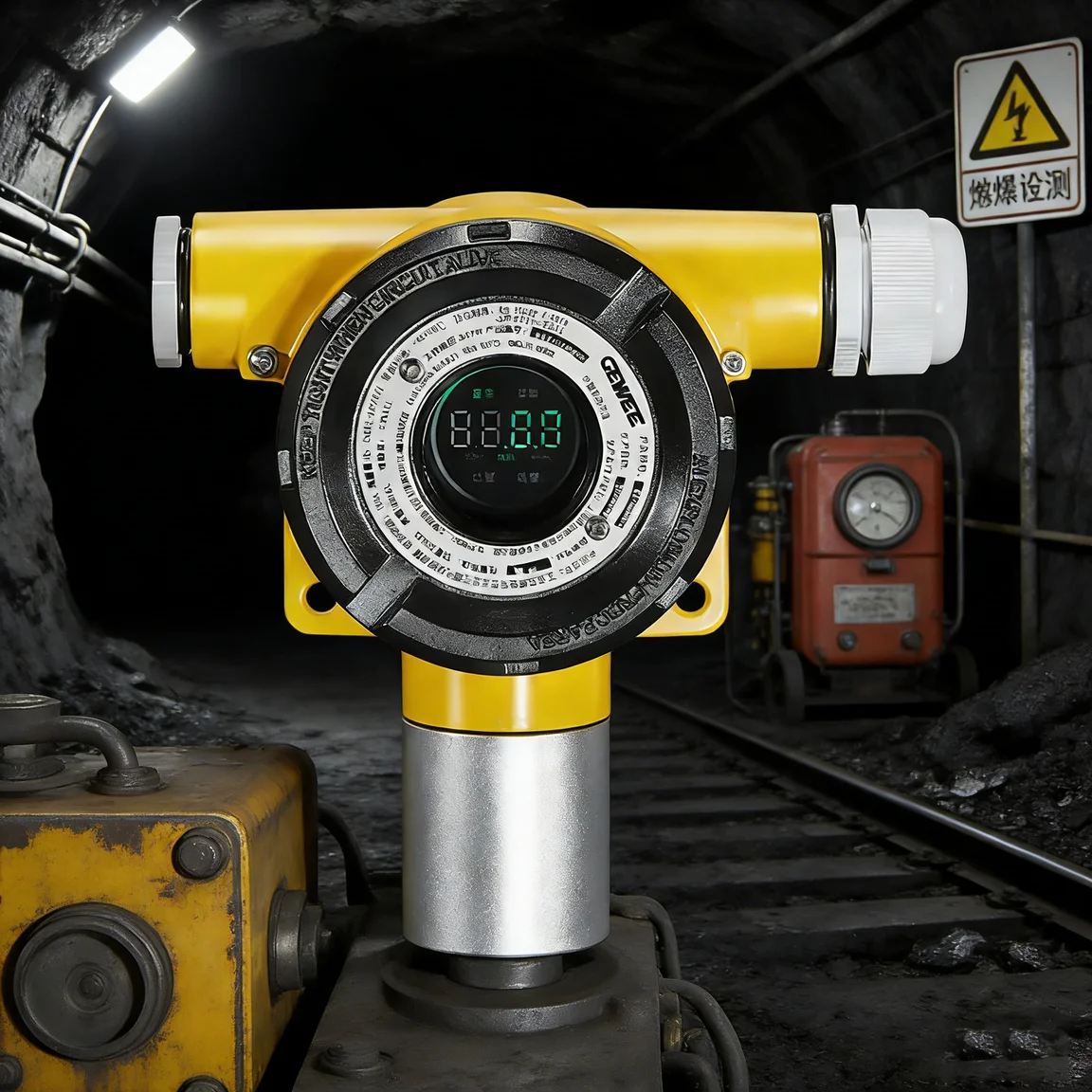
In high-stress industrial environments, the reliability and usability of gas detection systems are critical to ensuring worker safety and operational continuity. A user-centric gas detector interface design directly impacts how quickly and accurately personnel can interpret data, respond to alarms, and maintain system functionality under pressure. Traditional interfaces often prioritize technical specifications over human factors, leading to delayed responses or misinterpretation during emergencies. Modern solutions must integrate intuitive controls, clear visual feedback, and robust communication protocols to support effective decision-making in real time.
Core Principles of Effective Interface Design
The foundation of an operable gas detector interface lies in minimizing cognitive load. Operators in hazardous areas such as oil refineries, chemical plants, or mining operations frequently work under fatigue, noise, and time constraints. Interfaces must therefore present information in a structured, unambiguous format. Key parameters—including gas concentration levels, alarm status, sensor health, and power conditions—should be immediately visible without requiring menu navigation.
At Shanghai Gewee Electronic Safety Equipment Co., Ltd., this principle guides the development of all gas detection products. For instance, the GDE series employs a color LED display module that shows real-time gas concentration and operational menus with 25-meter visibility. Four dedicated status LEDs (normal, fault, low alarm, high alarm) provide instant situational awareness, eliminating the need for complex diagnostics during critical moments.
Sensor Technology and System Integration
Selecting the Right Detection Principle
The choice of gas sensor technology fundamentally determines system performance. Gas sensors convert chemical or physical changes in the environment into measurable electrical signals. Common types include catalytic combustion, infrared (IR), electrochemical, semiconductor, and photoionization (PID). Each has distinct advantages depending on the target gas, environmental conditions, and required lifespan.
For combustible gases in harsh industrial settings, infrared and laser-based sensors offer superior stability and resistance to poisoning compared to traditional catalytic sensors. The GDE series utilizes high-performance IR/laser sensors with a lifespan exceeding five years, ±3% measurement accuracy, and minimal drift—critical for long-term reliability in facilities like petrochemical plants or power stations.
Meanwhile, the GDC series supports multiple sensor types (catalytic, IR, semiconductor), allowing customization based on application needs. Its anti-poison catalytic sensors last over three years, while IR variants extend beyond five years. All models feature automatic temperature compensation and zero-point calibration, ensuring consistent readings across fluctuating ambient conditions.
Communication and Control Architecture
Effective interface design extends beyond the detector itself to include centralized monitoring and control. The GM810/GM820 gas alarm controllers exemplify this integration. Built on a modular DCS-inspired architecture, these controllers support both 4–20mA analog and RS485 digital communication, enabling seamless connection to SCADA systems or cloud platforms.
With auto-addressing bus technology, installation complexity is reduced—a significant advantage in large-scale deployments. The touch-button interface includes hotkey prompts for rapid navigation, while built-in circuit protection eliminates the need for external surge suppressors. This ensures uninterrupted operation even in electrically noisy environments.
Operational Efficiency in Practice
Maintenance and usability are equally vital. The GDA series emphasizes compactness and ease of use, featuring infrared remote operation that allows configuration without opening the housing—critical in explosive atmospheres classified as Zone 1 or 2. Similarly, all Gowe detectors support pre-calibrated smart plug-in sensors, reducing downtime during replacements.
Output flexibility further enhances operability. All detector models provide programmable 4–20mA signals with defined fault codes (e.g., 0–2mA for power loss, 2–2.5mA for sensor failure), enabling precise diagnostics at the control room level. Relay outputs can directly trigger ventilation systems, shutdown sequences, or audible alarms, creating layered safety responses.
Additionally, compatibility with IoT modules—including 4G, Wi-Fi, and mobile client apps—enables remote monitoring via Gowe’s cloud platform. This allows supervisors to assess site-wide gas risks from off-site locations, review historical trends, and receive instant alerts, significantly improving incident response times.
In summary, a truly effective gas detector interface combines accurate sensing, clear human-machine interaction, and seamless system integration. By focusing on real-world operational demands—not just technical metrics—manufacturers like Gowe deliver solutions that enhance safety, reduce maintenance overhead, and support confident decision-making in the most demanding industrial environments.
.article-content-gwe-2024 {
font-family: ‘Segoe UI’, Tahoma, Geneva, Verdana, sans-serif;
line-height: 1.7;
color: #2c3e50;
max-width: 800px;
margin: 0 auto;
padding: 24px;
background-color: #ffffff;
border-radius: 8px;
}
.article-content-gwe-2024 h2 {
font-size: 1.6rem;
font-weight: 600;
margin-top: 32px;
margin-bottom: 16px;
color: #1a5276;
border-left: 4px solid #2e86c1;
padding-left: 12px;
}
.article-content-gwe-2024 h3 {
font-size: 1.3rem;
font-weight: 500;
margin-top: 24px;
margin-bottom: 12px;
color: #1b4f72;
}
.article-content-gwe-2024 p {
margin-bottom: 16px;
font-size: 1rem;
text-align: justify;
}
.article-content-gwe-2024 strong {
color: #0e6655;
font-weight: 600;
}
.article-content-gwe-2024 a {
color: #154360;
text-decoration: underline;
font-weight: 500;
}
.article-content-gwe-2024 a:hover {
color: #1f618d;
}