
LNG and LPG leaks are high-risk because they involve flammable gases that can spread quickly in open or enclosed spaces. A portable gas detector is a critical tool for leak checks, but only if it has the right capabilities and is used correctly.
This guide outlines the key features to look for when choosing a portable gas detector for LNG or LPG applications, and the practical steps that make leak checks more reliable.
Understand the gas behavior
LNG is primarily methane, which is lighter than air once it warms and disperses. LPG typically contains propane and butane, which are heavier than air and can pool in low areas. That difference affects where you sample and how you interpret readings.
For LNG, focus on elevated areas and ventilation pathways. For LPG, check low points, drains, and enclosed pits where gas can accumulate.
Plan the leak check before you start
Before testing, review the system layout, isolation points, and expected gas pathways. Identify sample points that represent the highest risk locations. Good planning keeps technicians out of danger zones and reduces missed leaks.
LEL measurement is essential
Flammable gas detection typically relies on LEL (Lower Explosive Limit) measurements. A detector should provide clear LEL readings and reliable alarm setpoints. For LNG/LPG work, fast response time and stable readings are more important than fine precision.
Confirm that the detector’s alarm setpoints match your site procedures, and train crews to respond to any LEL alarm with immediate caution.
Sensor type and durability
Catalytic and infrared sensors are commonly used for flammable gas detection. Catalytic sensors are widely used in general industry, while infrared sensors are valued for stable performance in certain environments. The right choice depends on your site conditions, expected gas concentrations, and required approvals.
Pump versus diffusion for leak checks
Diffusion sampling works well for open areas, but leak checks in pits, trenches, or enclosed spaces often require a pump and sampling hose. A pump lets you test from a safe distance and reach low areas without sending a worker into the hazard zone.
Keep sampling hoses clean and dry, and allow the detector to stabilize after sampling in a confined area.
Environmental protection
Leak checks are often done outdoors in rain, cold, or dusty conditions. Choose a detector with strong dust and water protection, and verify the operating temperature range for your climate. Cold conditions can affect battery performance, so long runtime matters when crews work long shifts or remote sites.
Alarm visibility and audibility
Leak checks may occur near loud equipment or in low light. Loud alarms, bright indicators, and vibration alerts improve response time when conditions are noisy or the worker is wearing hearing protection. Visual alarms are especially important when wind or equipment noise reduces audibility.
Procedural and training considerations
Even the best detector cannot replace proper procedure. Train technicians on sampling points, ventilation changes, and the difference between momentary spikes and sustained leaks. Document readings and follow site-specific emergency response plans if alarms occur.
For high-risk work, consider using both personal detectors and area monitors to provide redundancy during leak checks.
Document and review results
After the check, log readings, locations, and corrective actions. Consistent records help identify recurring problem areas and support compliance with client or regulatory requirements.
Product spotlight for field leak checks
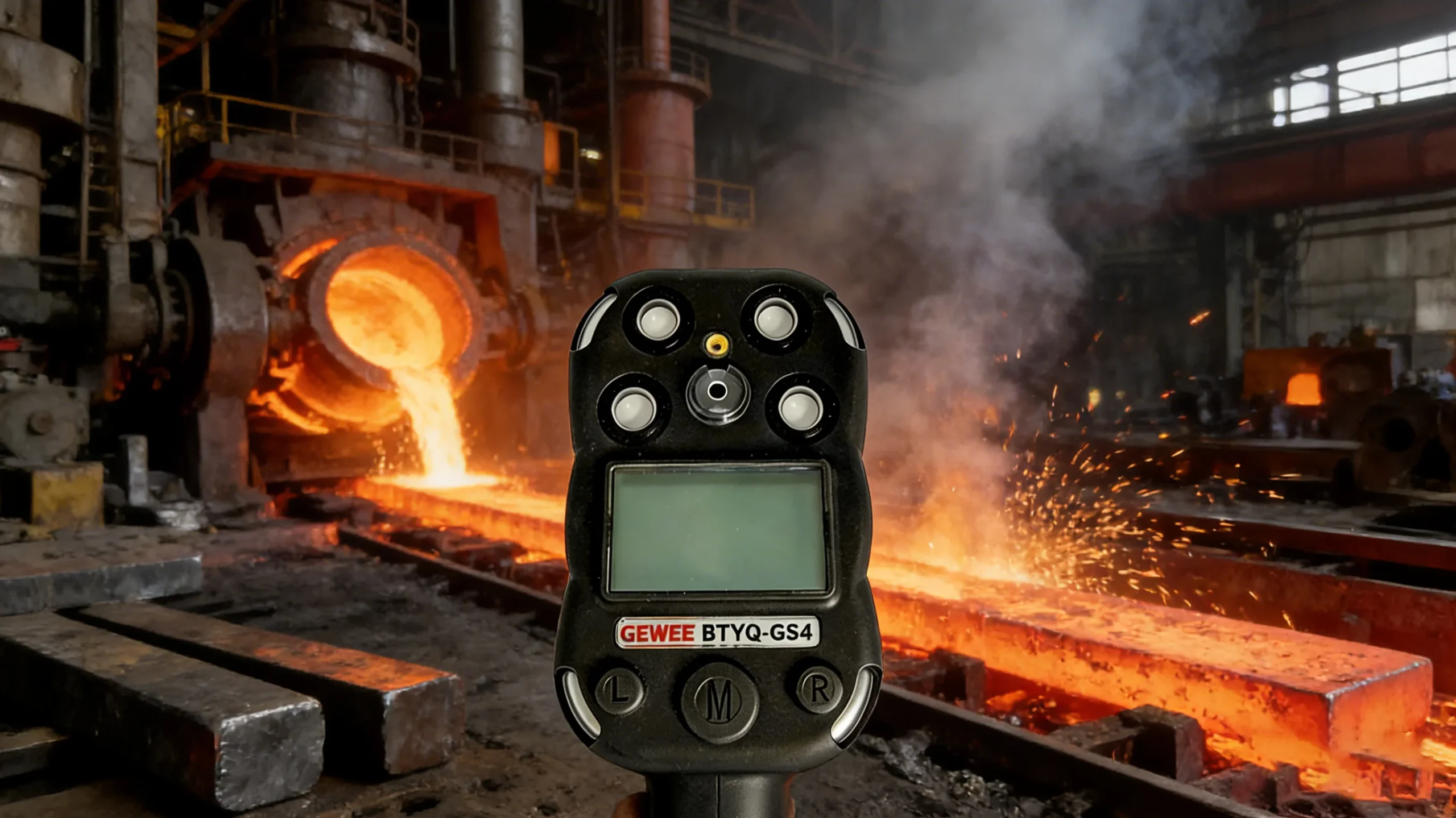
The BTYQ-GS4 portable gas detector supports 1 to 5 gas configurations and offers catalytic combustion and infrared sensor options for flammable gases. It also provides sound, light, and vibration alarms above 95 dB at 30 cm and carries IP67 protection for wet or dusty sites.
For teams that need rugged equipment and clear alarms during leak checks, it is a reliable choice.
Final takeaway
LNG and LPG leak checks require the right sensor type, reliable LEL readings, and rugged protection against outdoor conditions. Combine a capable detector with proper sampling technique and training, and your crews can identify leaks quickly while staying safe.