
False alarms waste time and reduce trust in portable gas detectors. But in most cases, the issue is not the detector itself. It is configuration, environmental interference, or maintenance gaps. The goal is to treat every alarm as real first, then identify causes quickly and prevent repeat problems.
This guide covers the most common reasons for false alarms and the practical steps that solve them.
Always treat the alarm as real first
When a detector alarms, move to fresh air, follow site safety procedures, and confirm conditions before assuming the alarm is false. A fast, disciplined response protects crews and prevents small incidents from turning into major events. After the immediate response, you can investigate the root cause.
Common causes of false alarms
- Cross-sensitivity: Some sensors respond to gases other than the target gas, especially in mixed industrial environments.
- Rapid humidity or temperature changes: Sudden shifts can create temporary spikes or drift.
- Sensor poisoning or contamination: Silicone sprays, solvents, or sulfur compounds can affect sensor response.
- Blocked inlets or dirty filters: Restricted airflow can cause unstable readings.
- Low battery or startup stabilization: Weak batteries and insufficient warm-up time can trigger alarms.
- Physical shock or vibration: Drops or heavy vibration can cause momentary spikes.
Quick troubleshooting steps
When a false alarm is suspected, use a consistent troubleshooting flow. This reduces downtime and helps technicians learn quickly.
- Move the detector to clean air and let readings stabilize
- Inspect the inlet and filters for dirt or moisture
- Check battery level and recharge if low
- Perform a bump test to verify sensor response
- Recalibrate if readings remain unstable
- Review the gas list and alarm setpoints for mismatches
Preventing repeat false alarms
Most false alarms are preventable with consistent maintenance and proper configuration. Use the correct sensor types for the job, perform routine calibration, and avoid storing detectors near solvent vapors or silicone products. If alarms happen repeatedly in the same area, review the local environment for interfering gases and update your procedures.
Environmental considerations
In hot, humid, or dusty locations, give detectors time to stabilize before entering confined spaces. Avoid placing them directly in high airflow or near exhaust vents where readings can be distorted. For sampling tasks, use pumps and hoses that are clean and properly seated.
Be aware of cross-sensitivity in mixed chemical environments. A detector set for one gas may respond to another vapor, which can create a false alarm even when the intended hazard is not present.
Setpoints and configuration checks
Incorrect alarm setpoints can make a detector alarm more often than necessary. Confirm that setpoints match your safety program and any site-specific requirements. Avoid copying alarm settings between job types without reviewing the actual hazards.
When to replace a sensor
If a sensor repeatedly fails calibration or continues to alarm in clean air even after troubleshooting, replacement is often the safest choice. Do not rely on a sensor that has become unstable or has a history of frequent false alarms.
Track and learn from alarm history
Keep a simple log of alarms, locations, and corrective actions. Patterns in the log help you identify problem areas, recurring interference, or device-specific issues. Over time, this turns false alarms into a training tool instead of an operational frustration.
Product spotlight for reliable alarm performance
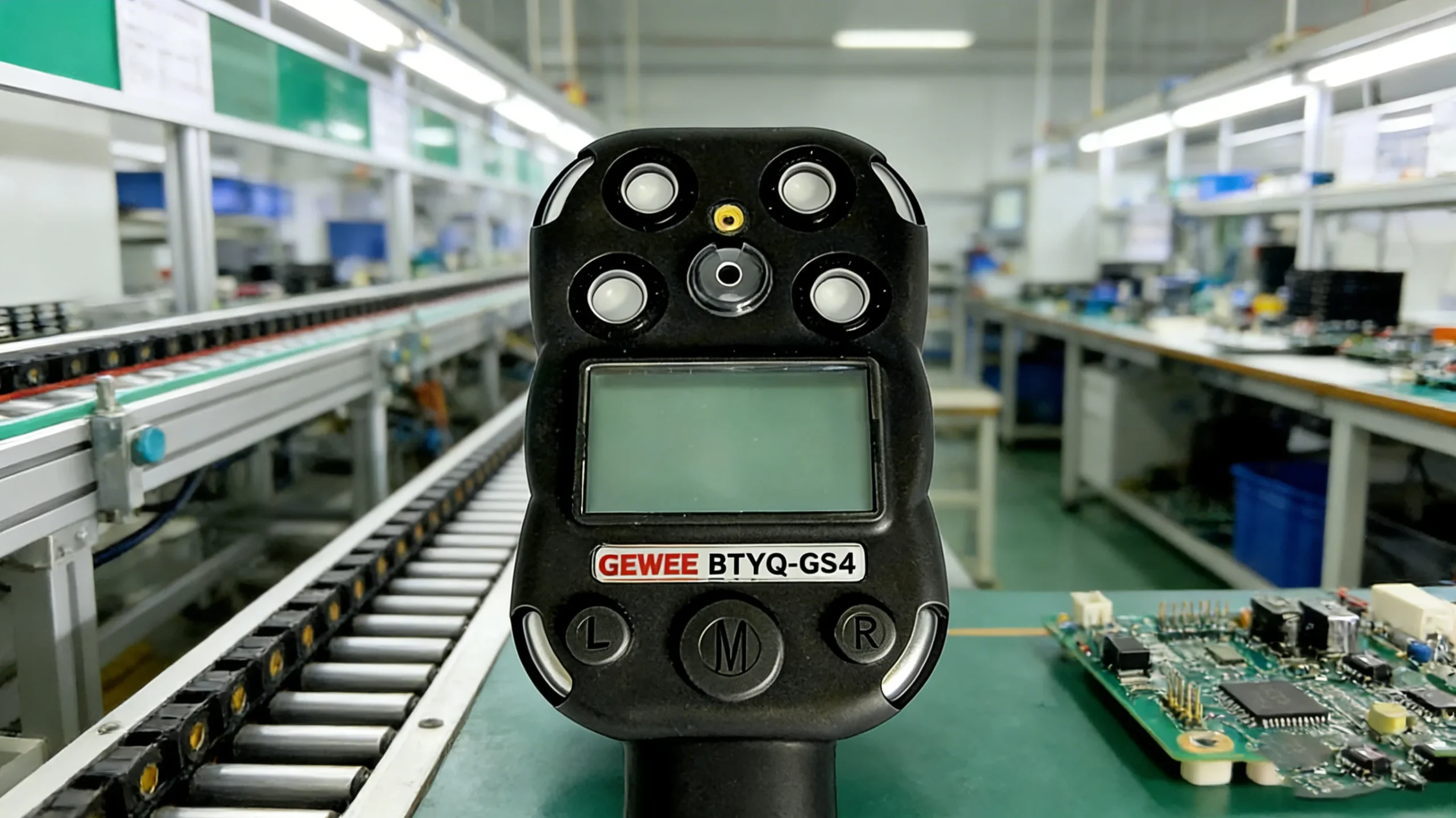
The BTYQ-GS4 portable gas detector provides loud sound, bright light, and vibration alarms over 95 dB at 30 cm, helping crews notice alerts even in noisy areas. It also supports multiple sensor types and offers an optional external pump for controlled sampling.
Strong alarms and flexible sensor options help teams reduce missed warnings and improve response time.
Final takeaway
False alarms are a signal to review configuration and maintenance, not a reason to ignore your detector. Treat every alarm as real, then apply a clear troubleshooting process. With the right maintenance habits and training, false alarms become rare and crews trust their equipment again.