
Buying a portable gas detector is a safety decision with operational and legal impact. A good unit reduces risk, but the wrong unit creates blind spots, nuisance alarms, and expensive rework. This checklist is written for safety managers who need to justify a purchase and keep crews protected across multiple sites.
Think of the detector as part of a system: hazards, people, procedures, and equipment. If any part of the system is weak, the results will be weak. Use the steps below to align the device with real work conditions instead of marketing claims.
1. Map the hazards before you shop
Start with a simple hazard map. List where the work happens, what chemicals are present, and how the work changes from day to day. A portable detector for a water treatment plant is not the same as one for a petrochemical turnaround.
- Identify likely gases: H2S, CO, O2 deficiency, or flammable vapors (LEL).
- Note tasks: confined space entry, hot work, line breaking, or routine patrols.
- Record conditions: temperature swings, moisture, dust, or vibration.
2. Choose sensor coverage based on the risk profile
Portable detectors are available in single gas, four gas, or multi gas configurations. The best choice is the smallest configuration that still covers the highest risk scenario. Use the hazard map to decide whether you need oxygen plus toxic gas sensors, combustible sensors, or a combination.
Sensor type matters too. Electrochemical sensors are common for toxic gases and oxygen. Catalytic or infrared sensors handle combustible gases. If your site has low oxygen or high exposure to poisoning chemicals, infrared can be more stable than catalytic. For VOC-heavy work, a PID may be needed in addition to a standard multi gas unit.
3. Confirm alarm strength and response behavior
Alarms only protect people if they are noticed. In loud industrial areas, a weak alarm may be missed. Confirm that the detector provides multiple alarm modes (sound, light, vibration) and a loud enough siren for your environment. Also check the response time and whether the display is readable in bright light or low light.
4. Verify ruggedness and hazardous area marking
Environmental damage is a common reason for detector failure. Check ingress protection (IP) ratings for dust and water, drop resistance, and operating temperature range. If you work in hazardous areas, review the explosion-proof marking and ensure it matches your zone, gas group, and temperature class.
5. Review usability for real crews
Field crews need a unit that is easy to wear and easy to read. Consider weight, size, clip strength, and whether the unit can be used with gloves. The display should show gas readings and alarm status clearly, without forcing users to scroll through complex menus.
6. Plan for calibration, service, and lifecycle cost
The purchase price is only part of the cost. Add calibration gas, bump test accessories, sensor replacement, and downtime into your budget. Ask for the recommended calibration interval, expected sensor life, and the availability of service in your region.
7. Build a simple comparison checklist
- Gas coverage (1 to 5 gases) that matches your hazard list
- Sensor type options (electrochemical, catalytic, infrared)
- Alarm modes and alarm volume
- IP rating and operating temperature range
- Hazardous area certification and markings
- Battery runtime and charging time
- Maintenance requirements and sensor replacement cost
Product spotlight for a multi gas short list
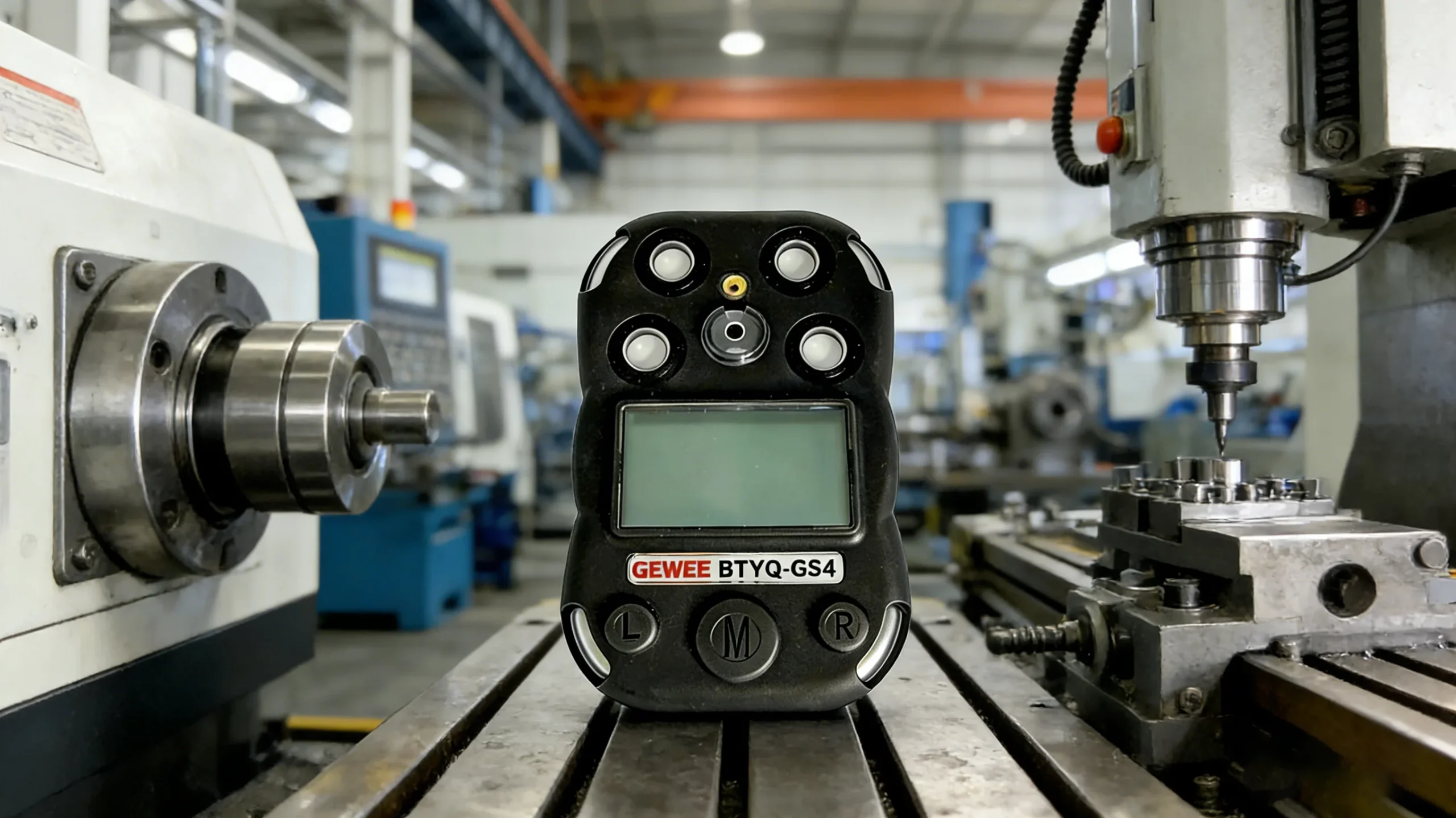
If you are comparing rugged multi gas units, consider the BTYQ-GS4 portable gas detector. It is designed to detect 1 to 5 gases, supports catalytic combustion, electrochemical, and infrared sensor options, and uses sound, light, and vibration alarms over 95 dB at 30 cm. For harsh sites, it also carries IP67 protection and an explosion-proof mark of Ex d ib IIC T4 Gb.
A device like this works best when it is matched to your hazard list and supported by a strong testing routine. The right unit is the one your team can trust every day, not just during an audit.
Final takeaway
A portable gas detector is a tool that must fit the people, the hazards, and the process. Use the checklist above to avoid guesswork and shorten your evaluation cycle. When your selection process is clear, the purchase decision becomes easier and the safety outcome becomes stronger.