
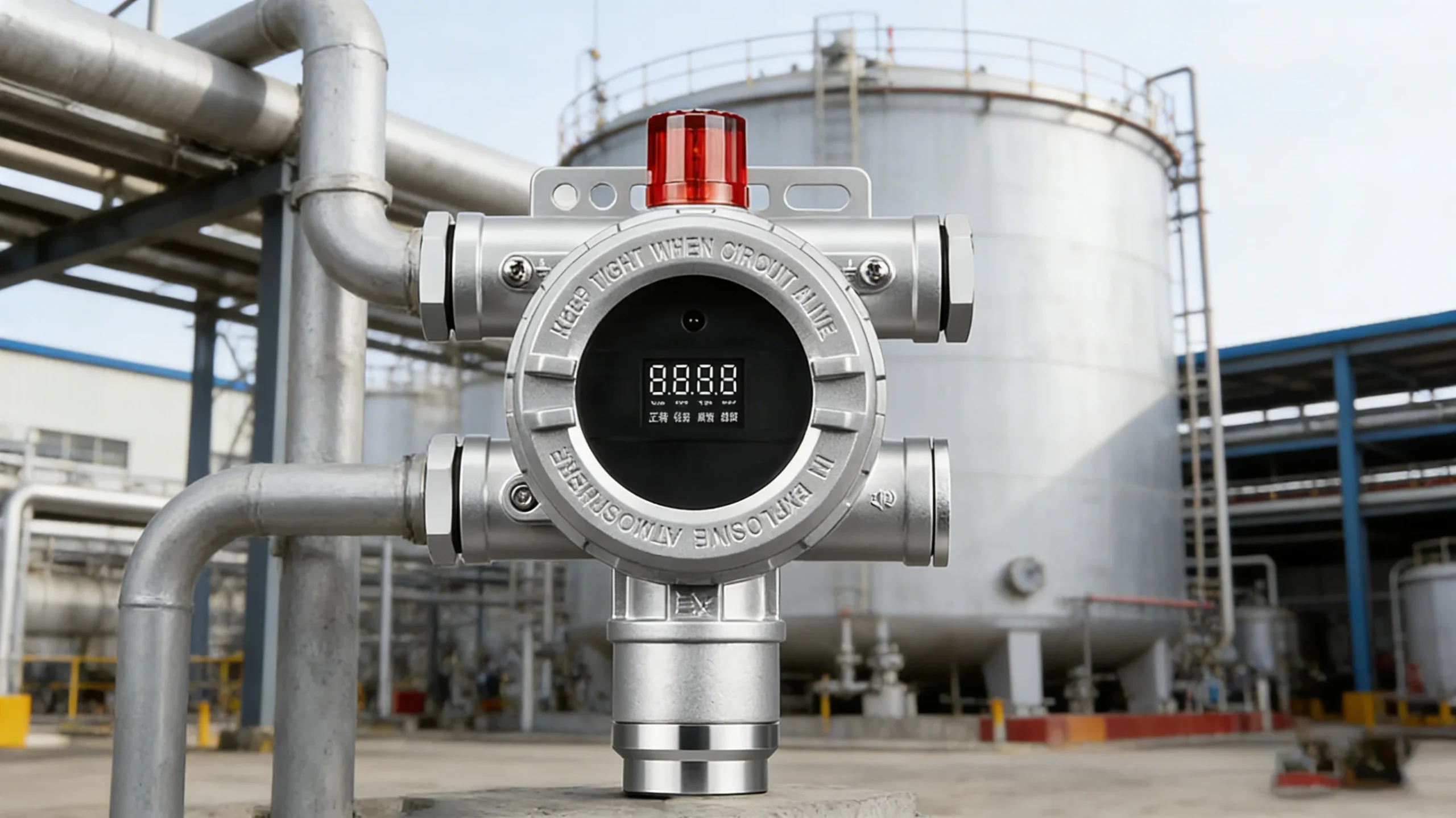
A bump test is one of the fastest and most important safety checks for a portable gas detector. Before a technician enters a confined space, tank farm, or process area, a five-minute functional test can confirm whether the instrument can actually detect gas and trigger alarms when it matters. This guide gives you a practical routine your team can use at the start of every shift.
What a Bump Test Confirms (and What It Does Not)
A bump test briefly exposes the detector to a known concentration of test gas to verify sensor response, alarm activation, and pump or flow performance. It answers one question: Will this device respond to gas right now?
A bump test is not the same as full calibration. Calibration adjusts sensor output to match a known standard. Bump testing only verifies that the detector responds within acceptable limits. In most programs, you do both: quick bump tests daily, full calibration on a scheduled interval.
The 5-Minute Pre-Shift Bump Test Checklist
- Verify instrument identity and status. Confirm serial number, sensor configuration, and that the detector has completed startup self-checks. Check battery level and ensure no active fault codes are present.
- Review calibration currency. Confirm the last calibration date is within your site policy. If calibration is overdue, remove the detector from service and calibrate before use.
- Inspect hardware condition. Check sensor inlets, water trap, filters, pump pathway, tubing, and clip points. Look for cracks, blocked ports, corrosion, or signs of chemical contamination.
- Confirm test gas details. Verify gas mixture matches installed sensors, concentration is appropriate for bump testing, and cylinder is not expired. Incorrect gas is a common reason for false failures.
- Connect regulator and tubing correctly. Ensure leak-free connections and stable flow. Keep tubing short and clean to avoid delayed response caused by dead volume or contamination.
- Apply gas and observe response time. Every target sensor should rise promptly and move in the correct direction. Slow, flat, or unstable response is a fail condition for field use.
- Confirm all alarm channels. Verify audible alarm, visual indicators, vibration, and any pump or low-flow alarm behavior. If one alarm channel is weak or silent, the detector should not be deployed.
- Clear gas and document results. Remove gas, allow readings to return to baseline, then record pass/fail, time, operator, gas lot, and any corrective action.
Practical Pass/Fail Criteria
Use your manufacturer guidance as the primary standard, then align with site policy. A practical field rule set is:
- Pass: all configured sensors respond, alarms trigger, and baseline returns normally after gas removal.
- Conditional pass: slight response delay but within site threshold and no other faults; schedule follow-up check at shift end.
- Fail: no response, clearly slow response, unstable readings, alarm failure, low-flow issue, or persistent fault message.
Common Failure Modes and Quick Actions
- No sensor response: check gas type, regulator flow, blocked inlet, expired cylinder; if unresolved, calibrate or replace sensor.
- Slow response: inspect filters, tubing, pump, and moisture trap; replace consumables and retest.
- Alarm does not activate: verify alarm settings and audio/vibration hardware; remove from service immediately.
- Readings do not recover: move to clean air, run fresh-air zero if allowed, then calibrate if drift remains.
Simple Shift Log Template
For audit readiness and trend tracking, record the same data every time:
- Date and shift
- Detector ID and user
- Gas cylinder ID and expiration
- Pass/fail outcome per sensor
- Alarm channel check result
- Corrective action and release decision
Why This Routine Reduces Risk
Most gas detector incidents are not caused by no policy. They are caused by missed execution: rushed starts, undocumented checks, and assumptions that yesterday’s detector performance equals today’s. A repeatable five-minute bump test checklist closes that gap and gives supervisors confidence that each instrument entering the field is operational.
If your team has multiple units, standardize this checklist across all shifts, then review failed bump tests monthly. You will usually find patterns in sensor wear, tubing condition, or training gaps before they become safety events.