
Wastewater work is one of the clearest examples of why a standard 4-gas monitor can be necessary and still not be complete. Oxygen, combustibles, carbon monoxide, and hydrogen sulfide absolutely matter. But depending on the process, chemical treatment, and maintenance task, they may not be the whole story.
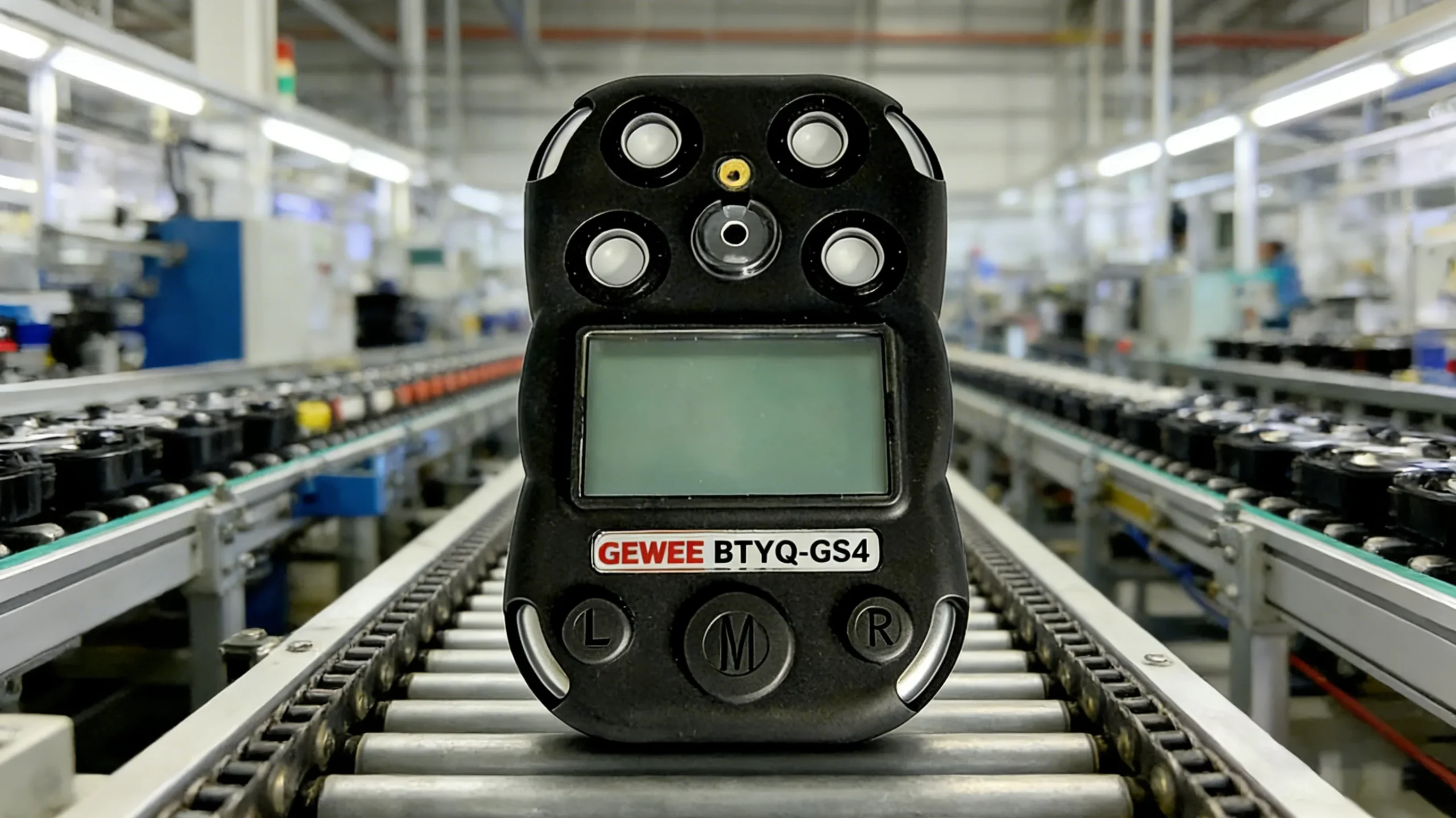
That is why selecting a detector for wastewater work should start with the process map, not with the catalog page for a generic 4-gas instrument.
What the standard 4 gases cover well
For sewer entry, utility structures, digesters, and many routine maintenance tasks, the traditional four channels are a strong starting point. They reflect common atmospheric hazards and align with many standard procedures. In many facilities, they are still the right baseline.
This live article on portable gas detector for sewer and utility work is a useful reference for that baseline.
Where wastewater work gets more complicated
Chemical treatment areas, confined spaces with unusual inputs, industrial pretreatment streams, chlorine-related operations, and maintenance on specialized equipment can change the gas hazard profile. In some plants, ammonia, chlorine, sulfur dioxide, or VOCs may become relevant depending on the task.
Questions to ask before buying
- Is this detector for routine entry, troubleshooting, leak investigation, or all three?
- Do chemical treatment systems introduce toxic gases beyond the basic four?
- Will the instrument be used with a pump and hose in wet spaces?
- How often will humidity, splashing, and condensation affect the sampling path?
- Do workers need one fleet-wide configuration or task-specific configurations?
Wastewater environments punish weak setups
Moisture, corrosive atmospheres, tight spaces, and dirty field conditions expose every weakness in accessories and maintenance habits. A detector that looks acceptable on paper may become frustrating quickly if filters, tubing, pumps, and ports are not chosen with wastewater reality in mind.
Buying advice that actually helps
Start with the standard 4-gas model if your tasks are truly standard. Expand beyond it when your plant chemistry or maintenance routine says you should. Do not add extra channels for the sake of appearance, but do not cling to a standard configuration once the process clearly demands something more.
The best wastewater detector is not the one with the longest feature list. It is the one that matches the plant’s real gas hazards, sampling conditions, and maintenance discipline.