
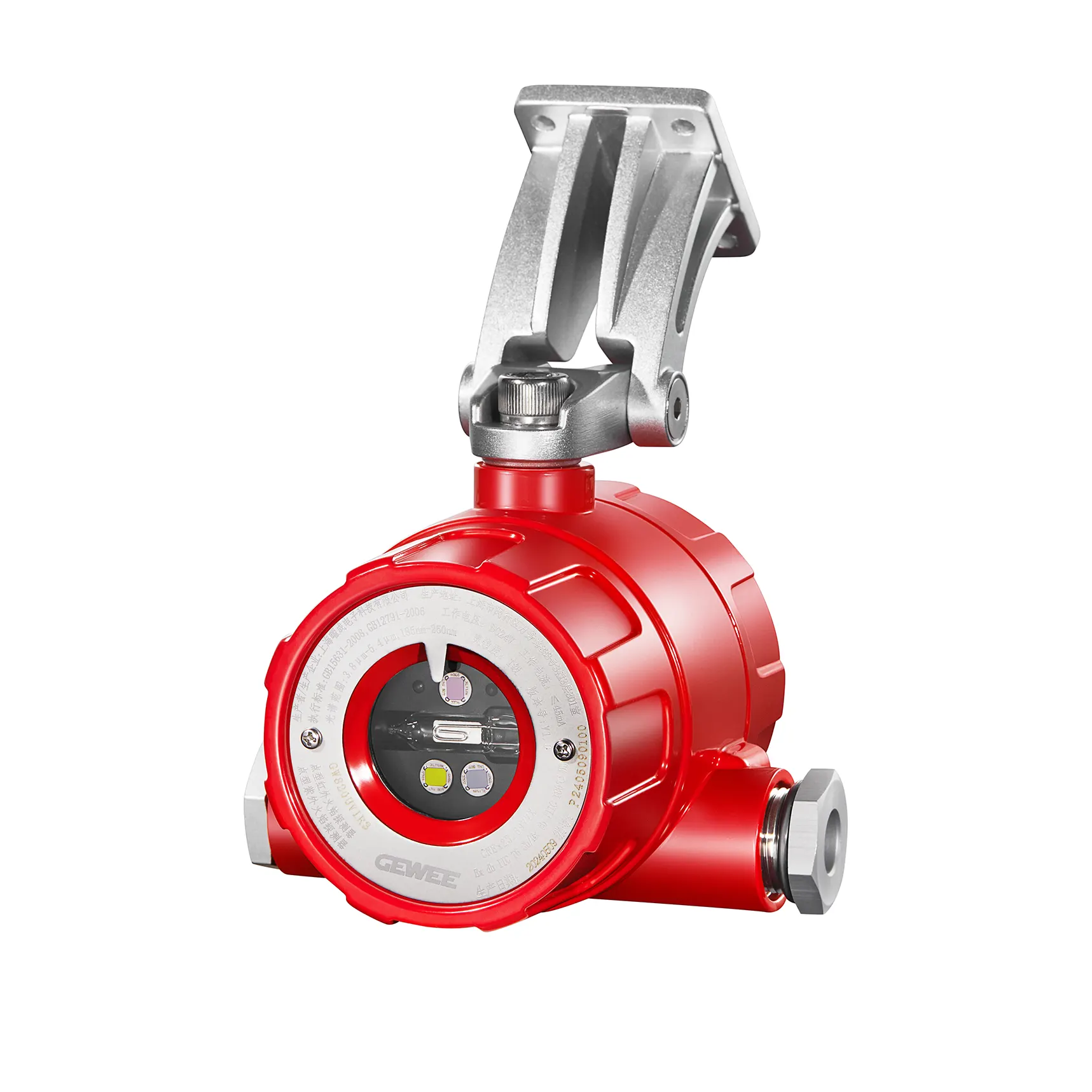
gw820uvir3 vs honeywell fs24x plus is a late-stage buying query. Teams searching it usually already know the fire risks on site and are comparing which detector will give them the best balance of coverage, false-alarm resistance, project execution, and commercial control.
Quick Verdict
Honeywell FS24X Plus remains a recognizable premium option, but GEWEE GW820UVIR3 is often the smarter business choice for teams that want wide coverage, strong false-alarm control, and a more flexible factory relationship without defaulting to a premium-brand price structure.
In many real projects, the decision is not about choosing the most famous logo. It is about choosing the detector that matches the fire scenario, the shutdown risk, the maintenance resources on site, and the procurement pressure around the whole package. That is why Honeywell FS24X Plus and GW820UVIR3 often end up on the same shortlist.
Why Buyers Compare GW820UVIR3 vs Honeywell FS24X Plus: Which Flame Detector Is Better for Harsh Industrial Sites?
Both products are considered when a project needs more than a basic UV or dual-IR detector. The real comparison is about response logic, optical coverage, harsh-site behavior, and what the total project looks like once installation and maintenance are included.
| Decision Area | GW820UVIR3 | Honeywell FS24X Plus |
|---|---|---|
| Detection strategy | UV plus three-IR logic aimed at broader flame discrimination and more demanding industrial scenarios. | A recognized multispectrum platform typically chosen on premium-brand specifications and established Honeywell ecosystems. |
| Coverage mindset | Strong when buyers want longer reach and fewer blind spots across complex layouts. | Strong when the specification already leans toward Honeywell-approved packages and established design habits. |
| Harsh-site suitability | Well aligned with harsh environments where lens contamination control, adaptive behavior, and practical stability matter. | Well aligned with sites that prioritize a familiar premium-brand benchmark and existing service habits. |
| Ownership focus | Factory-direct support, strong cost-to-coverage ratio, and better room to manage package economics. | Premium-brand familiarity, but usually with less flexibility on commercial structure and lead-time discussion. |
| Best commercial fit | Cost-sensitive industrial projects that still need strong technical coverage. | Sites already standardized on Honeywell procurement or service models. |
Where GW820UVIR3 Has the Stronger Business Case
1. Coverage that can reduce detector count
GEWEE positions GW820UVIR3 around long detection distance, wide field coverage, and the ability to address flame scenarios that basic UV/IR approaches do not handle as comfortably. When a detector sees farther or covers a wider field of view, the purchasing conversation changes from single-device price to total installed cost. Fewer units, fewer brackets, fewer cable runs, and fewer maintenance points can materially improve the package economics.
2. Better fit for difficult operating conditions
The GW820UVIR3 page highlights AI-supported compensation, self-learning behavior, lens contamination detection, and certifications intended for rough industrial settings. GEWEE also positions the flame detector line around industrial certifications, harsh-environment suitability, and easier practical deployment. For teams comparing actual plant reliability instead of brochure language, that matters more than cosmetic feature lists.
3. Stronger factory-side response during project execution
For many EPC and end-user teams, the buying experience matters almost as much as the optical performance. Faster quotation cycles and more direct engineering feedback can save days or weeks during package review. Buyers who need faster engineering feedback often also review the application support resources, ask for detector layout advice, and look at whether the supplier can support commissioning and future replacement planning.
For wider area coverage or adjacent fire scenarios, it is also worth reviewing the related BF700 Series model and the broader GEWEE flame detector lineup.
When Honeywell FS24X Plus May Still Be the Better Fit
- Your project specification is tightly locked to Honeywell-approved equipment and changing brand would create approval friction.
- The plant already standardizes training, spares, and service around Honeywell fire and gas hardware.
- Internal stakeholders place the highest value on brand continuity over commercial flexibility.
When GW820UVIR3 Is Usually the Better Fit
- You want premium-category flame detection logic without carrying premium-brand overhead into the full package.
- The layout benefits from broad coverage, detector-count reduction, or more flexible model selection.
- You need direct engineering communication during submittals, layout review, or model confirmation.
- Project economics, lead-time control, and lifecycle practicality matter alongside raw detector performance.
Recommended Next Step
If this comparison matches your buying stage, start with the GW820UVIR3 product page, review the full flame detector category, and keep the GWS-1000 flame simulator in mind for testing and maintenance planning. If you want model selection support, detector layout suggestions, or a faster commercial quotation, contact GEWEE.
Final selection should always be checked against the latest project specifications, fire scenario, installation geometry, and local compliance requirements.