
Battery rooms and hydrogen charging areas can look routine right up to the moment they are not. Charging processes can release hydrogen, ventilation may not always perform the way operators expect, and the gas itself is easy to underestimate because the room may appear calm and familiar.
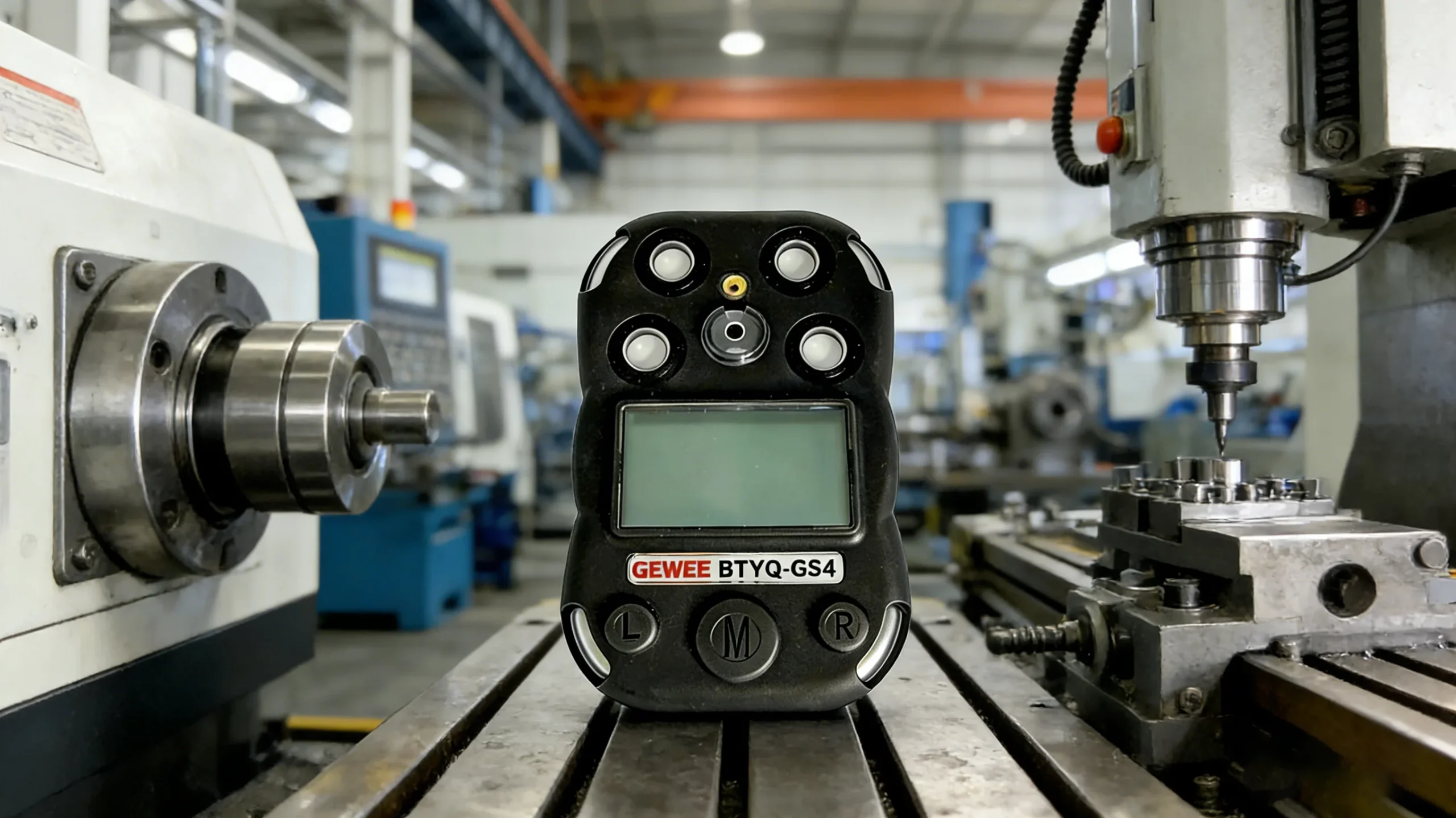
Why battery rooms need application-specific detection
Hydrogen is the main concern in many battery charging spaces, but it is not always the only one. If the detector package is copied from a completely different application, the result may be technically functional and still operationally wrong. Buyers should choose around hydrogen risk first, then consider any additional atmospheric concerns relevant to the room and the task.
What should the detector do?
At minimum, it should help users recognize hydrogen accumulation risk clearly and quickly. That means choosing suitable combustible sensing, thinking about alarm visibility in service areas, and asking whether the room is checked by area monitoring, portable checks, or both.
Do CO readings matter here too?
Sometimes, yes—especially if nearby equipment or related operations introduce combustion-related exposures. But one subtle point matters: hydrogen can also complicate interpretation of some CO channels, which is why sensor selection should be reviewed carefully rather than assumed.
That concern is exactly why the discussion around hydrogen-resistant CO sensors matters in charging environments.
Questions buyers should ask
- Is this detector intended for routine room checks or continuous personal use?
- How does the combustible sensor behave in hydrogen-rich conditions?
- Will the monitor be used in enclosed, poorly ventilated, or elevated areas where gas may accumulate?
- Do we need pumped sampling or is direct personal monitoring enough?
The practical takeaway
The right portable detector for a battery room is the one built around hydrogen as a real, routine hazard—not the one that simply happens to be available in the storeroom. Once that becomes the starting point, both selection and training get much clearer.