
Carbon monoxide monitoring sounds straightforward until hydrogen enters the picture. In some applications, hydrogen can interfere with standard CO sensing and create readings that do not reflect carbon monoxide alone. That can lead to unnecessary alarm response, confusion during troubleshooting, or poor instrument selection for the site.
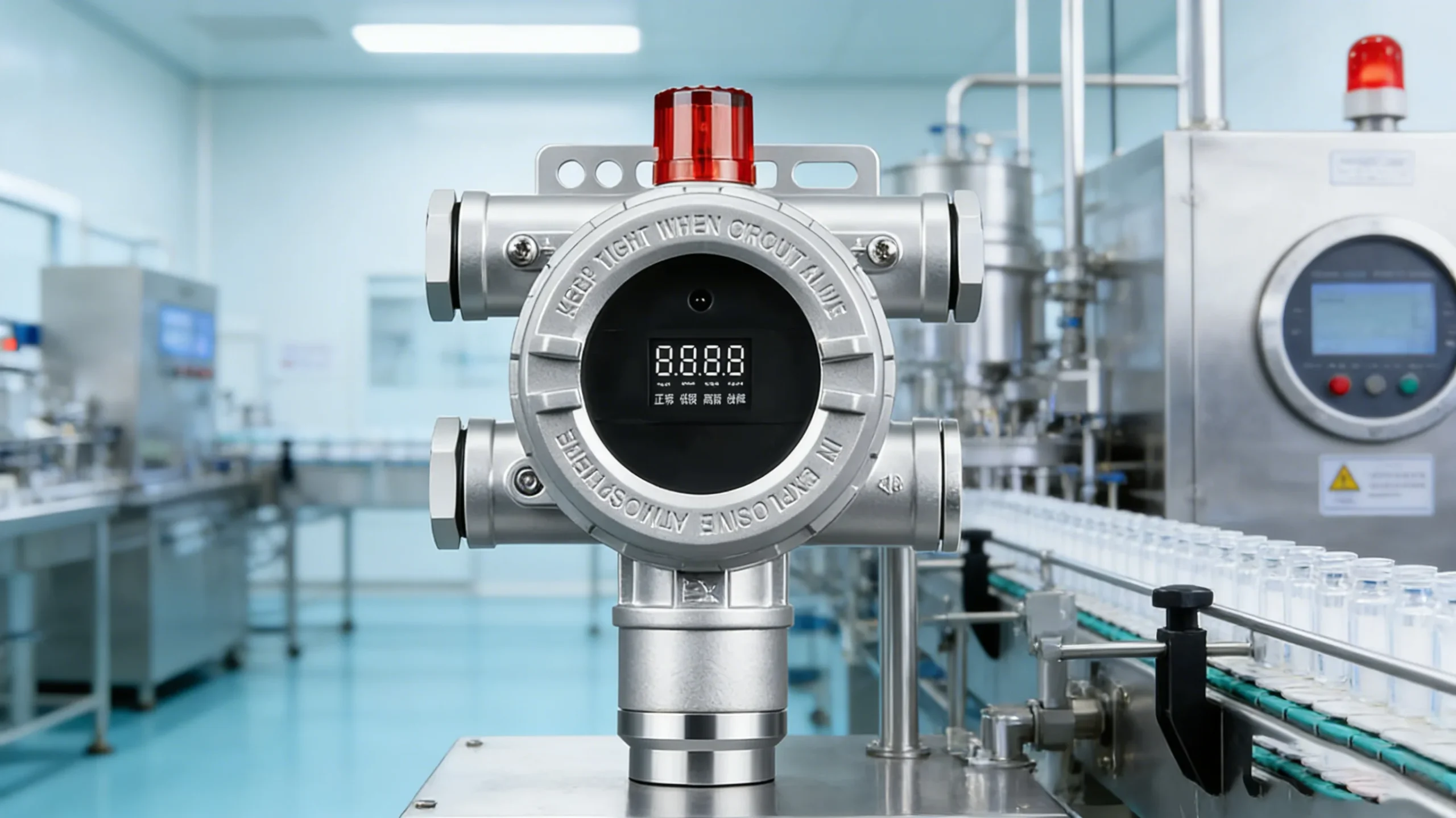
This issue matters in battery charging areas, some industrial processes, and any environment where hydrogen may realistically be present.
Why the confusion happens
Not all CO sensors respond to hydrogen the same way. Some standard electrochemical CO sensors can show influence from hydrogen, while hydrogen-compensated or hydrogen-resistant designs are better suited for those environments. The difference is not academic. It changes whether a CO alarm reflects actual carbon monoxide exposure, hydrogen interference, or a mix of both.
Where this matters most
Battery rooms are the classic example, but they are not the only one. Charging infrastructure, process areas with hydrogen generation, and maintenance spaces near hydrogen-related systems can all create the same problem. If your detector package ignores that possibility, readings can become harder to interpret right when clarity matters most.
What buyers should ask
- Will this CO sensor be exposed to hydrogen in normal or upset conditions?
- Is the CO channel hydrogen-compensated?
- How is the sensor performance documented for interference conditions?
- Is the detector intended for worker exposure warning, troubleshooting, or both?
These questions belong early in the buying process, not after the first confusing alarm.
Why operators lose confidence
Once a crew sees readings that do not match the surrounding situation, trust drops fast. Some workers start ignoring the instrument. Others overreact to every alarm. Both outcomes are symptoms of poor fit between the detector configuration and the application.
If your site has ever struggled to decide whether a strange reading is real or not, compare that experience with false alarms and quick fixes. Interference and false confidence often get mixed together in practice.
The right answer for hydrogen environments
Use a CO sensing approach that matches the site. If hydrogen is present, a hydrogen-resistant or hydrogen-compensated CO sensor may be the safer and more practical choice. It reduces ambiguity, improves operator confidence, and turns the detector back into what it should be: a reliable decision tool.