
People often compare 4-gas monitors and PID monitors as if one of them should win. That is the wrong framework. They answer different questions. A 4-gas monitor is usually built for oxygen, combustibles, carbon monoxide, and hydrogen sulfide. A PID monitor is used when volatile organic compounds are the concern. Those are not rival products so much as different answers to different hazards.
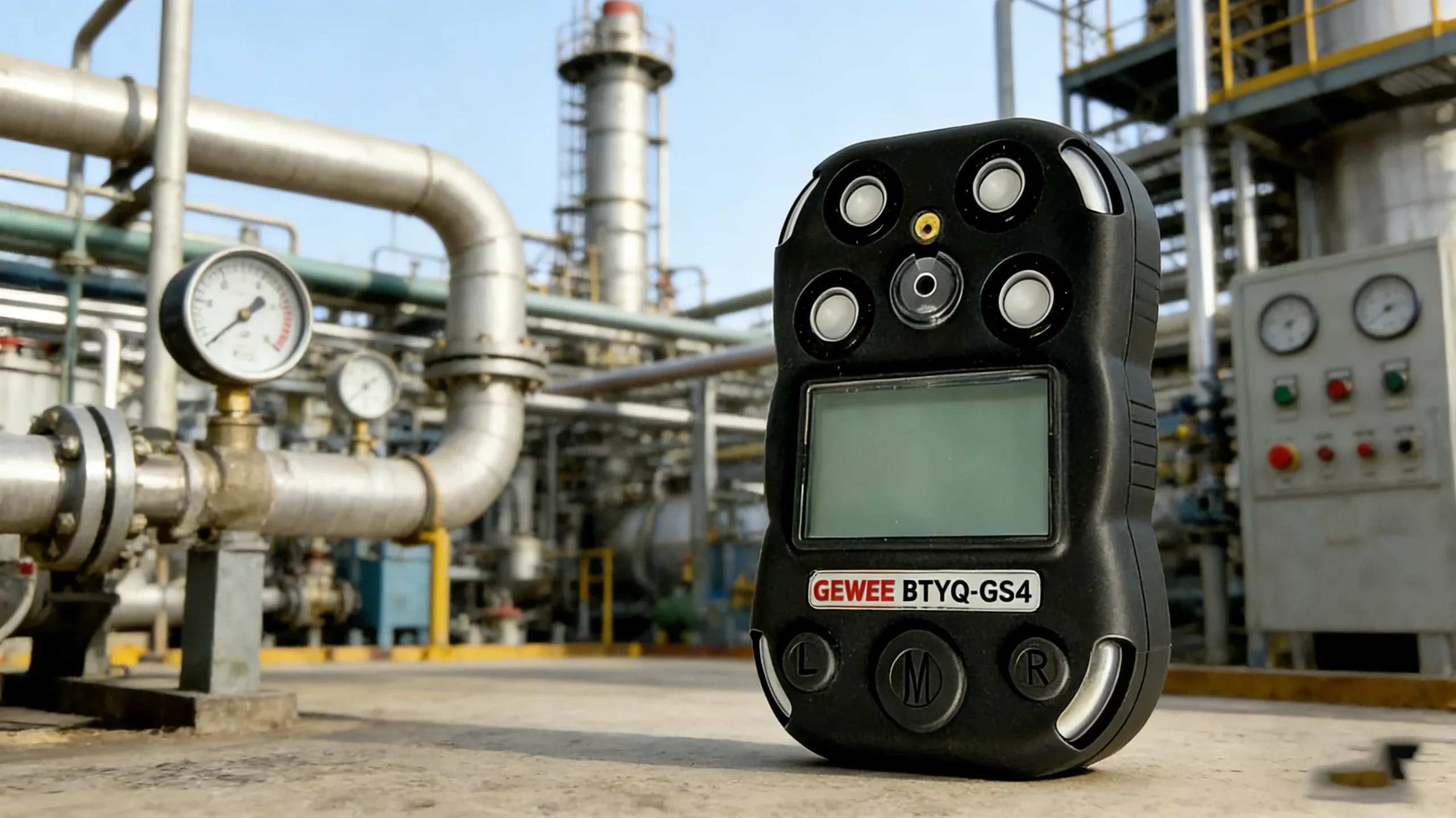
What the 4-gas monitor does well
If your work centers on confined spaces, sewer entry, utility work, and general atmospheric screening, a standard 4-gas monitor is often the everyday tool. It is fast, familiar, and aligned with many standard entry procedures. This is why it remains the baseline recommendation in so many industries.
What a PID adds
A PID becomes valuable when vapors from solvents, fuels, coatings, degreasers, adhesives, petrochemicals, or specialty chemicals are the real concern. It can show the presence of VOCs that a basic 4-gas monitor may not measure at all. If the job involves tank cleaning, spill investigation, painting, chemical transfer, or benzene-sensitive screening, PID capability moves from “nice to have” to “critical.”
If you want the deeper application view, compare it with when you need a PID monitor.
Why buyers choose the wrong one
Usually because they buy based on habit. A team that already issues 4-gas monitors assumes every new task should fit that same instrument. Another team hears that PID is more advanced and assumes it should replace everything. Both mistakes come from skipping the hazard analysis.
Which questions decide it?
- Are we worried about standard confined-space atmospheres or VOC exposure?
- Do we need to measure benzene or mixed solvent vapors?
- Will a combustible channel alone tell us enough?
- Is this for routine personal protection, leak investigation, or both?
Sometimes the answer is both
Many real jobs do not fit neatly into one category. A site may need 4-gas coverage for oxygen and H2S while also needing PID capability for VOCs. In those cases, the right answer is not compromise. It is using the right combination of instruments or channels for the actual hazard profile.
The field decision
Choose a 4-gas monitor when the core question is atmospheric safety around O2, LEL, CO, and H2S. Choose a PID monitor when VOCs or solvents are the core concern. Choose both when the work environment honestly demands both. The cost of carrying the wrong instrument is always higher than the inconvenience of carrying the right one.