
A failed bump test creates immediate pressure. The crew is waiting, the job is scheduled, and somebody wants a fast answer. In that moment, the wrong response is to tap the instrument, run the test again without thinking, and hope for a different outcome. The right response is calm troubleshooting.
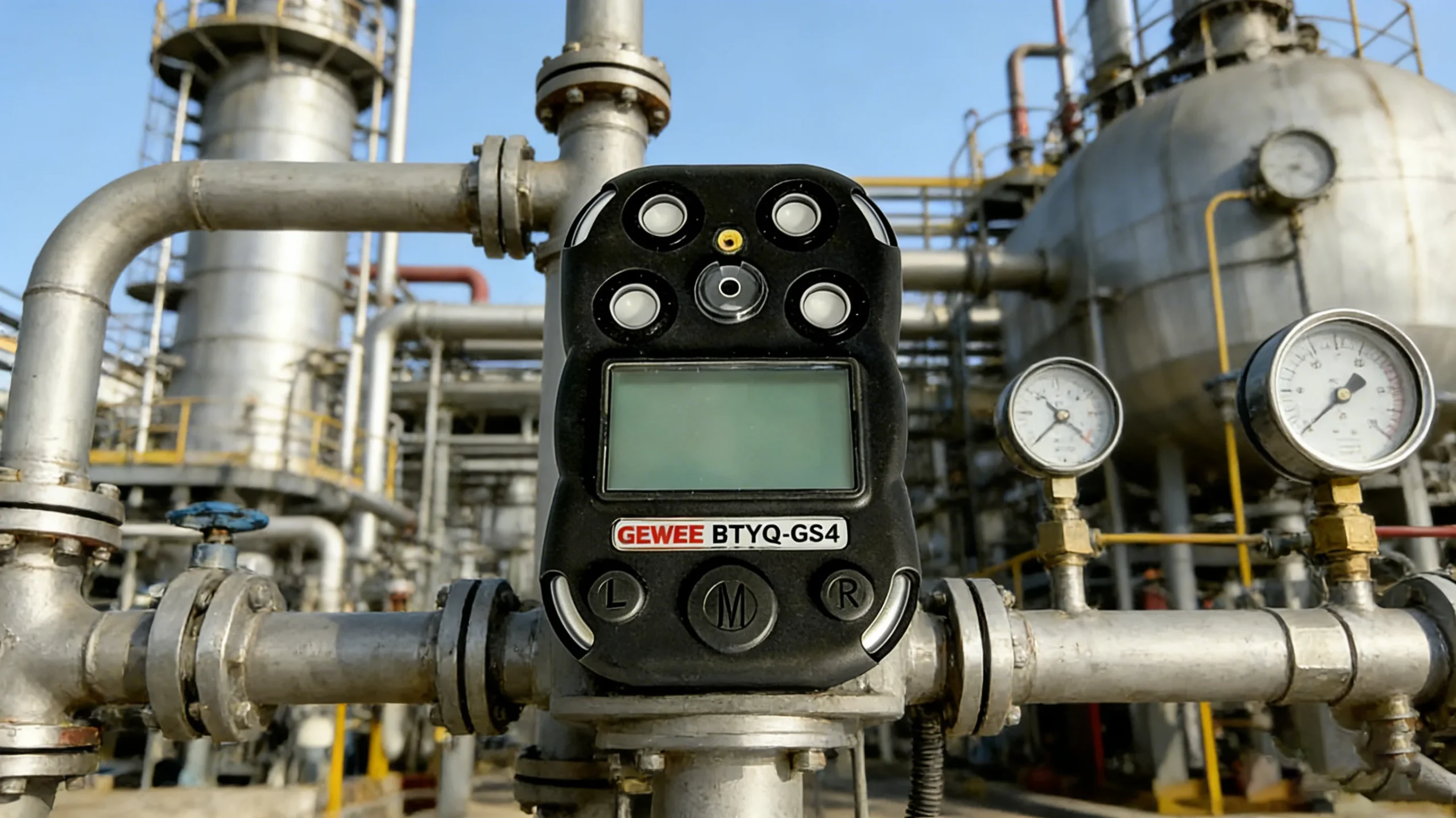
A bump test failure does not always mean the detector is finished. It does mean the detector should not be trusted until you know why it failed.
Start with the obvious things first
Before assuming sensor damage, check the basics:
- Was the correct test gas connected?
- Is the cylinder empty, expired, or at very low pressure?
- Are the regulator and tubing connected properly?
- Is the calibration cap seated correctly?
- Did the detector have enough warm-up time?
It sounds simple because it is. And simple mistakes account for a surprising number of failed bump tests.
Then look at the accessory path
After that, inspect the route the gas takes to the sensors. Cracked tubing, blocked inlets, dirty filters, water barriers, or a loose cap can all prevent gas from reaching the instrument properly. If the unit uses a pump, listen for odd pump behavior and watch for low-flow indications.
Do not confuse a bump test with calibration
A bump test asks, “Does the detector respond and alarm?” It does not fully adjust the reading. If the instrument responds but is outside acceptable tolerance, calibration may be needed next. If the distinction is fuzzy on your site, keep this reference handy: bump test vs calibration.
When calibration is a reasonable next step
If the gas setup is correct, the accessories are fine, and the detector still fails or reads outside tolerance, move to calibration according to procedure. A sensor that has drifted may recover with proper calibration. A sensor that has been damaged, poisoned, or heavily aged may not.
When to stop and pull the monitor from service
Take the unit out of service if:
- It repeatedly fails a bump test
- It cannot be calibrated successfully
- One channel responds erratically or too slowly
- The alarm devices themselves are weak or nonfunctional
- The instrument has obvious physical damage
That is not overreaction. It is exactly what the failed bump test is trying to tell you.
Patterns matter
If one instrument fails once, troubleshoot it. If multiple instruments fail repeatedly, look at the program. The issue may be expired gas, poor storage, contaminated accessories, missed maintenance, or a training problem. That broader perspective is often missed when teams focus only on the device in their hand.
For a stronger prevention routine, combine your troubleshooting with this portable gas detector maintenance checklist.
The best mindset before a shift
Never treat a failed bump test as an inconvenience to work around. Treat it as useful information delivered before someone enters a hazardous area. That is the cheapest time to find a problem.