
Even a well-calibrated gas detector can give a misleading picture if it is worn in the wrong place. That is the part people skip because it feels too basic. Clip it anywhere, turn it on, and get to work. Unfortunately, placement is not cosmetic. It changes what the detector “sees.”
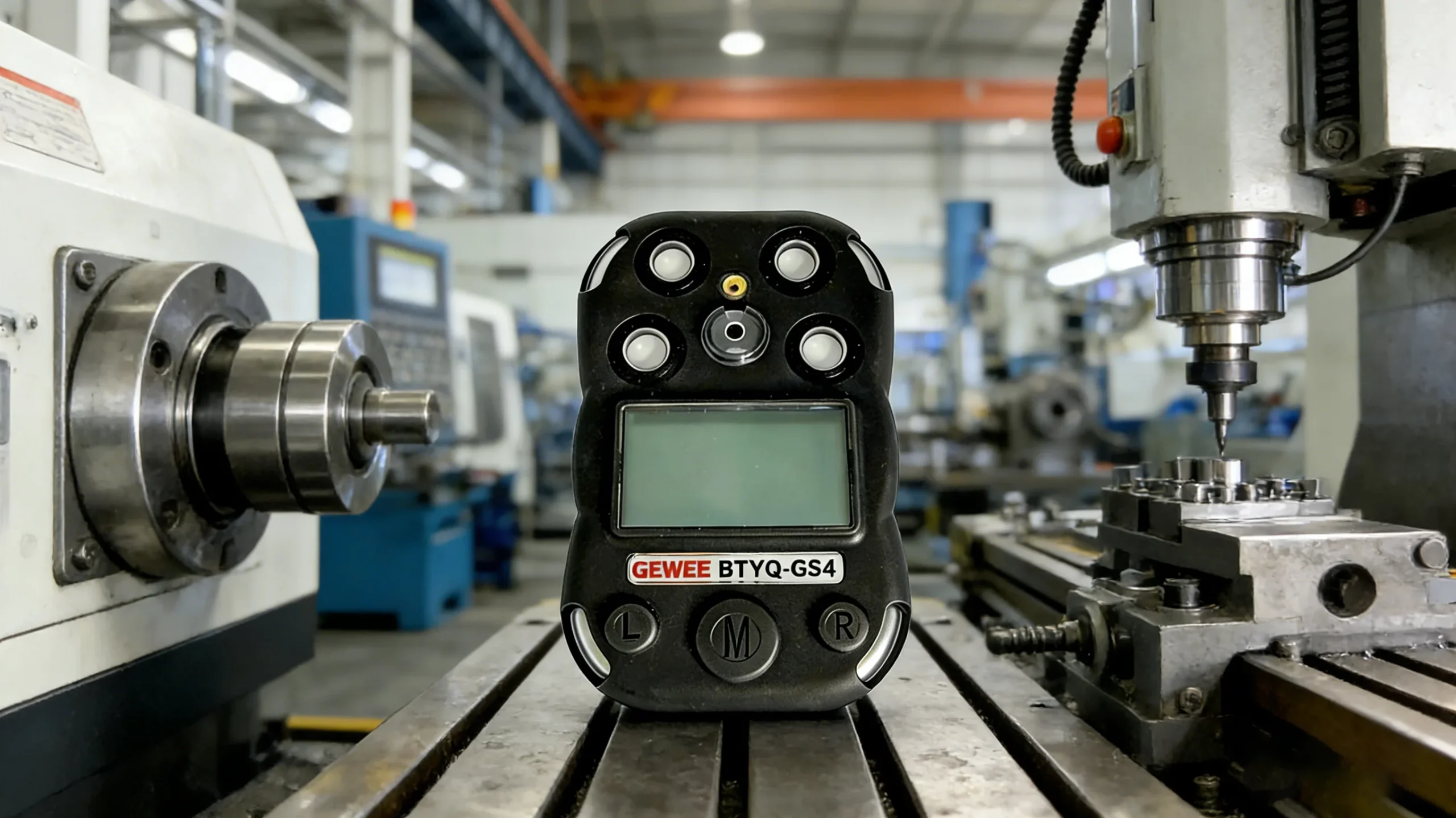
For personal monitoring, the goal is simple: place the instrument where it best reflects the air the worker is actually breathing. That means the breathing zone, not the most convenient pocket.
The breathing zone is the rule
In ordinary terms, the breathing zone is the air around the worker’s nose and mouth. Detectors should be worn as close to that area as practical—typically high on the torso, clipped to clothing, chest area, lapel, or upper front of the body depending on PPE and work style.
A detector buried on a belt behind the hip or tucked under protective clothing can miss the atmosphere that matters most.
Why bad placement happens so often
Workers choose convenience. Harnesses, rain gear, coveralls, welding shields, tool belts, and cold-weather clothing all make high placement less comfortable. Sometimes the monitor gets moved because it catches on equipment. Sometimes it ends up in a location that is easy to hear but poor for sensing.
What can go wrong with low or hidden placement
- Slow response because air movement is restricted
- Exposure to an atmosphere that is not representative of breathing height
- Alarms muffled by clothing or PPE
- Sensor ports partially blocked by dirt, fabric, or body position
These problems often look like instrument issues when they are really placement issues.
Open area versus stratified area
Placement becomes even more important where gases stratify. Some gases are lighter than air, some heavier, and some process conditions create layered atmospheres. For personal monitoring, you still protect the person first, so the detector belongs in the breathing zone. For area checks and pre-entry testing, however, you may need different sampling positions entirely. That is one reason a personal monitor cannot replace proper confined-space gas testing order.
Personal monitor does not equal area monitor
Teams sometimes expect one worn detector to answer every question about a jobsite. It cannot. A personal detector tells you what the worker is exposed to where it is worn. It does not automatically map dead zones, remote corners, vessel bottoms, or overhead accumulations. That distinction is similar to the one discussed in personal vs area portable gas detectors.
Practical placement checklist
Before the shift starts, ask:
- Is the detector in the breathing zone?
- Are the sensor ports unobstructed?
- Can the worker hear and feel the alarm?
- Will PPE or outerwear cover the unit during the job?
- Has the location been chosen for safety rather than convenience?
The simplest truth
If you wear a gas detector where the air is different from what you breathe, you are collecting the wrong information very efficiently. Good placement is one of the cheapest safety improvements a team can make, which is exactly why it should not be treated as an afterthought.