
A worker clips on a monitor, enters an area, and gets a reading that does not seem to fit the process nearby. The first instinct is often, “This sensor must be wrong.” In many cases, the sensor is not broken at all. It is reacting to a different gas than the operator expected. That is cross-sensitivity, and it causes more confusion than many buyers realize.
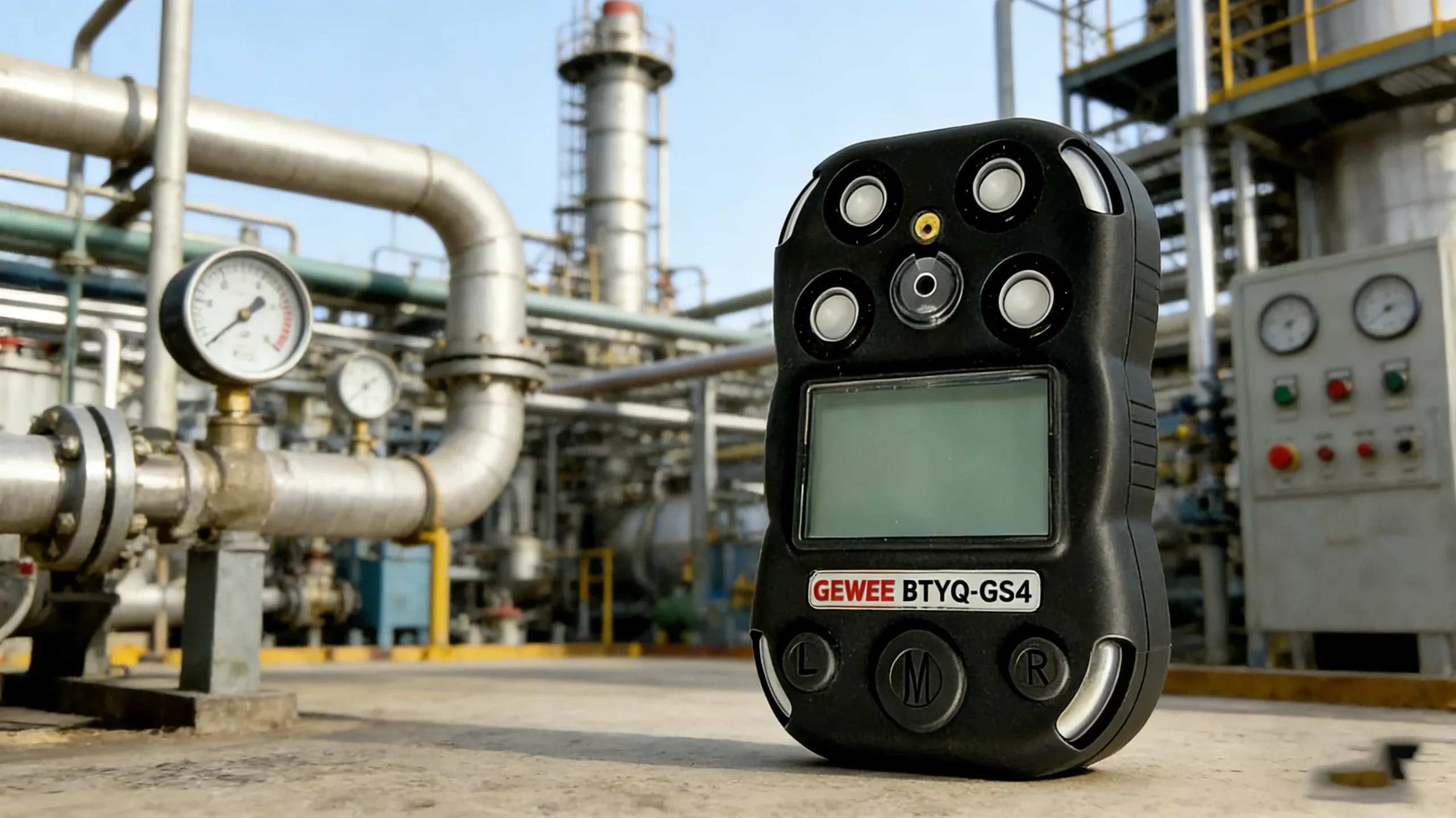
Portable gas detectors do not interpret gas the way a chemist would in a lab. Sensors respond according to their design, and some gases can partially influence sensors intended for other targets. If you do not account for that, you can misread the atmosphere and make the wrong safety decision.
Why cross-sensitivity matters in the field
Cross-sensitivity is not just a technical footnote buried in a sensor datasheet. It affects shutdown decisions, evacuation behavior, maintenance calls, and purchasing choices. It can also produce unnecessary panic if teams assume every reading is a perfect one-to-one identification of the target gas.
To understand why this happens, it helps to start with the basics of portable gas detector sensor types. Different sensing technologies fail in different ways, and electrochemical toxic sensors are especially relevant here.
A simple example
Imagine a site using cleaning chemicals, process gases, and combustion equipment in close proximity. A carbon monoxide sensor may respond mainly to CO, but under some conditions other compounds can influence the reading. That does not mean the monitor is useless. It means the reading should be interpreted in context rather than in isolation.
What cross-sensitivity looks like operationally
- A reading appears where the target gas is not expected
- One sensor responds more strongly than the process description suggests
- Two instruments give apparently different stories because their sensor packages differ
- A detector alarms during chemical cleaning or maintenance even though “nothing is leaking”
When that happens, the right next move is not to dismiss the detector. The right move is to ask what else is in the air.
Why buyers should care before purchasing
If your site handles multiple toxic gases, solvents, refrigerants, or byproducts, then sensor compatibility and interference behavior should be part of the buying discussion. A cheap instrument that looks fine on a specification sheet can become an expensive problem if users misinterpret readings every week.
This is also where application-specific selection beats generic purchasing. A detector chosen for sewer work should not be assumed suitable for chemical handling, and a monitor chosen for routine confined-space entry may not be ideal in a mixed-gas industrial process.
How teams reduce the risk of misreading
There is no single trick, but good programs usually do four things well:
- They review the manufacturer’s cross-sensitivity data before deployment
- They match sensor packages to the real chemical environment
- They train users to interpret alarms with process context in mind
- They escalate odd readings instead of casually overriding them
Do not confuse cross-sensitivity with failure
Cross-sensitivity can mimic bad calibration, false alarms, or erratic behavior. Sometimes the detector truly does need service. Sometimes it is simply reporting what its chemistry allows it to see. If your team has struggled with nuisance events, compare that experience with common causes of false alarms before deciding the instrument is defective.
The practical takeaway
A gas detector does not just measure gas; it measures gas through the lens of its sensor technology. Cross-sensitivity is part of that reality. The safest teams are the ones that understand this before the alarm goes off, not after.