
Most detector failures in the field do not begin with dramatic abuse. They begin with a sensor that slowly stops seeing the world the way it used to. One of the most expensive reasons is sensor poisoning.
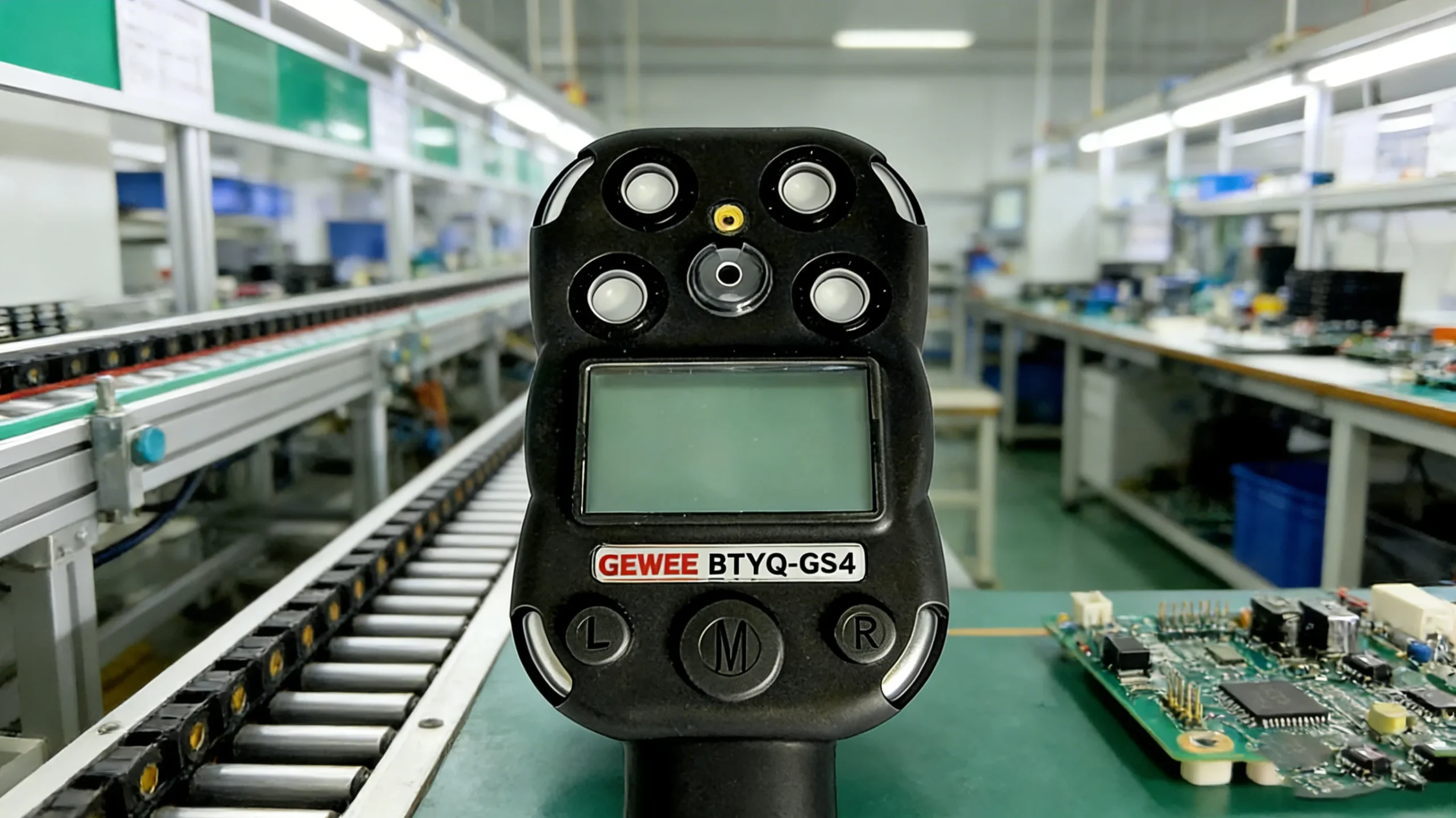
When users hear “poisoning,” they often think it means the entire instrument is ruined immediately. The reality is more frustrating than that: performance weakens, response becomes unreliable, bump tests start failing, and the unit becomes hard to trust. By the time the team notices a pattern, the real damage may already be done.
What sensor poisoning means
Sensor poisoning happens when chemicals or contaminants interfere with the sensor’s ability to respond to target gas. For combustible sensors, the issue is especially well known. Certain substances can coat or deactivate the sensing surface so the detector under-responds or stops responding. In practical terms, that means gas can be present while the display looks safer than reality.
Common poisoning sources
The risk depends on sensor type, but the most familiar troublemakers include silicones, lead-containing compounds, sulfur compounds, chlorinated compounds, and oily or contaminated environments. The danger is not always obvious. Sealants, lubricants, cleaning agents, process chemicals, and even routine maintenance materials can contribute.
If your team has already seen nuisance readings or unstable performance, compare symptoms with this article on portable gas detector false alarms. Not every false alarm means poisoning, but the overlap is worth understanding.
The earliest warning signs
Poisoning rarely introduces itself politely. Instead, you may notice one of these patterns:
- The detector begins failing bump tests
- Response time becomes slower than usual
- Readings stay suspiciously low in situations where gas should be present
- Repeated calibration is needed to keep the channel usable
- Performance differs from a known-good instrument in the same area
These are the moments when teams should stop calling it “quirky” and start treating it as a measurement integrity problem.
Why calibration does not always fix it
Calibration corrects instrument response against known gas. It cannot always restore a sensor whose active surface has been chemically damaged. That is why some monitors seem to come back briefly after service and then drift again. The issue is no longer just adjustment; it is degraded sensing capability.
When you are trying to tell the difference between routine service and real wear-out, this guide on when to replace gas detector sensors helps frame the decision.
How to prevent poisoning
Prevention is much cheaper than replacement. Good practice usually includes:
- Keeping detectors away from silicone sprays, sealants, and contaminated storage areas
- Reviewing process chemicals near the job before selecting the instrument
- Using the correct sensor technology for the site rather than forcing a standard configuration
- Performing bump tests consistently so response loss is caught early
- Replacing filters and accessories before contamination migrates deeper into the instrument
Purchasing matters more than people think
Sometimes the real fix is not better discipline but better selection. If a site regularly exposes instruments to conditions known to harm catalytic combustible sensors, then choosing a different sensing method may save money and improve reliability. Buyers often focus on channel count and price, but long-term survivability can be just as important.
The safest mindset
Treat unexplained under-response as a serious hazard, not a maintenance inconvenience. Poisoned sensors do not always fail loudly. Their real danger is that they may fail quietly while workers believe they are protected.