
People notice oxygen readings because they expect a perfectly round number. They step outside, look at the display, and wonder why the monitor says 20.8% or 20.9% instead of 21.0%. The short answer is that this is usually normal.
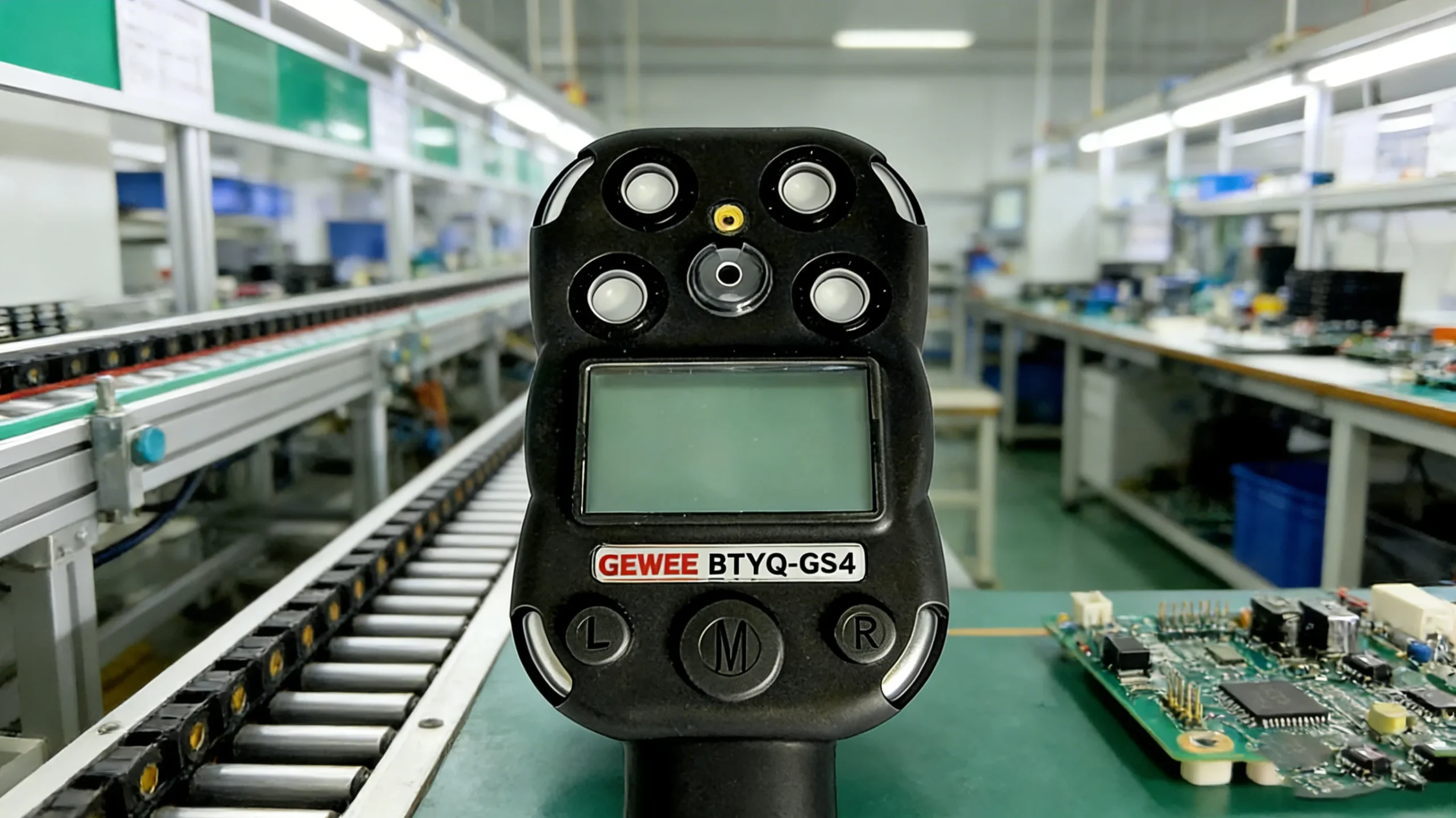
Ambient oxygen in clean air is commonly represented as about 20.9%. Many portable detectors are designed around that assumption, and small variation in display behavior, environmental conditions, or sensor tolerance does not automatically mean anything is wrong.
20.9% is the normal reference point
Fresh air is generally treated as roughly 20.9% oxygen. Some instruments display 20.9, some round visually in different ways, and some may settle at 20.8 depending on tolerance, warm-up behavior, or recent environmental exposure. A reading in that narrow range is not usually a sign of failure by itself.
When the reading is still acceptable
If the monitor is stable, other channels look normal, and the unit passes its checks, then 20.8% or 20.9% in verified clean air is usually exactly what you want to see. The more important question is not “Does it show 21.0?” but “Does it respond properly when tested and remain stable during use?”
That is why oxygen interpretation should always sit next to your functional testing process. If your team needs a refresher, go back to bump test vs calibration and your site procedure.
Why the number can shift slightly
Several ordinary factors can move the displayed value by a tenth:
- Sensor tolerance and normal drift
- Temperature changes between storage and use
- Humidity and condensation history
- Whether the unit has fully warmed up
- Recent zeroing behavior
None of that is dramatic, but together they explain why a detector is a measuring instrument rather than a digital ornament.
When an oxygen reading deserves attention
You should take a closer look when the value is not just slightly off, but inconsistent or unsupported by the environment. For example, if the detector swings around in clean air, struggles to stabilize, disagrees sharply with another known-good monitor, or follows other signs like nuisance alarms, the problem may be contamination, calibration drift, or sensor aging. In that case, this guide on why a gas detector keeps beeping in clean air is highly relevant.
Oxygen channels are not forever
Oxygen sensors are consumable components. They age, especially with time, temperature stress, or difficult storage conditions. If your monitor has reached the expected sensor life window, slight odd behavior may be a warning that replacement planning should start. This article on sensor lifespan is worth reviewing before you assume calibration will solve everything.
What field users should actually do
Keep the routine practical:
- Allow proper warm-up
- Zero only in confirmed clean air
- Run the required bump test
- Watch for stability, not just one number
- Investigate persistent deviation or repeated alarm behavior
If your detector settles at 20.8% or 20.9% in clean air and behaves normally otherwise, that is usually a reassuring sign, not a problem. The trouble starts when people chase the last decimal place while ignoring the bigger indicators of instrument health.