
Contractors often face the same question when preparing for gas detection: rent or buy? The answer depends on how often you work in hazardous environments, how many crews you run, and how much control you need over training and maintenance. Looking only at the purchase price can lead to the wrong decision. A better approach is total cost of ownership.
This guide breaks down the real cost factors and helps contractors choose the best path for their projects.
What total cost of ownership includes
Gas detection costs are not just the device. Ongoing expenses include calibration gas, replacement sensors, maintenance labor, training time, and downtime when a detector fails. Rental programs may bundle some of these costs, but they also introduce shipping, scheduling, and availability challenges.
- Device price or rental fee
- Calibration gas and regulators
- Sensor replacement and service
- Training and documentation
- Shipping, turnaround time, and backup units
When rental makes sense
Rental is often the right choice for short-term projects, seasonal work, or specialty jobs that require uncommon sensor configurations. It can reduce up-front cost and allow quick access to new equipment. Rental can also be useful when a contractor has a small fleet and only needs extra units for peak periods.
Rental is also helpful when your client requires a specific model or certification that you do not use regularly. Instead of buying a specialized detector that will sit idle, rent it only for that project.
Rental drawbacks to consider
Rental units can be inconsistent if your crews are trained on different models. Scheduling conflicts can leave you short on devices, and shipping delays can impact tight project timelines. For ongoing work, rental costs can exceed purchase costs surprisingly fast.
Another drawback is limited control over calibration history. Even reputable rental programs can introduce uncertainty if you do not verify records before deployment.
When purchase makes sense
Buying is often better for contractors with steady, ongoing gas detection needs. It allows standardization across crews, faster deployment, and better familiarity with alarms and procedures. Ownership also makes it easier to build consistent maintenance schedules and documentation processes.
Owning your detectors can improve response time on short-notice jobs because you are not waiting for deliveries or approvals.
Ownership drawbacks to plan for
Purchase requires a larger upfront investment and a commitment to maintenance. You will need calibration gas, trained staff, and a replacement plan for sensors and batteries. However, those costs are more predictable than variable rental fees over the long term.
Compliance and client expectations
Many clients require proof of calibration and consistent equipment. Ownership makes it easier to maintain a complete set of records. If your work includes regulated environments, consistent documentation can protect you during audits or incident investigations.
Downtime and opportunity cost
If a rental unit arrives late or lacks the correct sensors, the cost is more than the rental fee. Lost work time and project delays often exceed the price of the equipment itself. Ownership gives you control over readiness and reduces the risk of last-minute delays.
Break-even questions to ask
- How many days per month do we need detectors in the field?
- How many crews require monitoring at the same time?
- Do we need specialized sensors only a few times per year?
- Can we manage calibration and maintenance in-house?
Hybrid strategies
Many contractors use a hybrid approach: own a core fleet for regular work and rent additional units during peak demand. This keeps costs predictable while providing flexibility for large projects and short bursts of extra work.
Product spotlight for contractors who want control
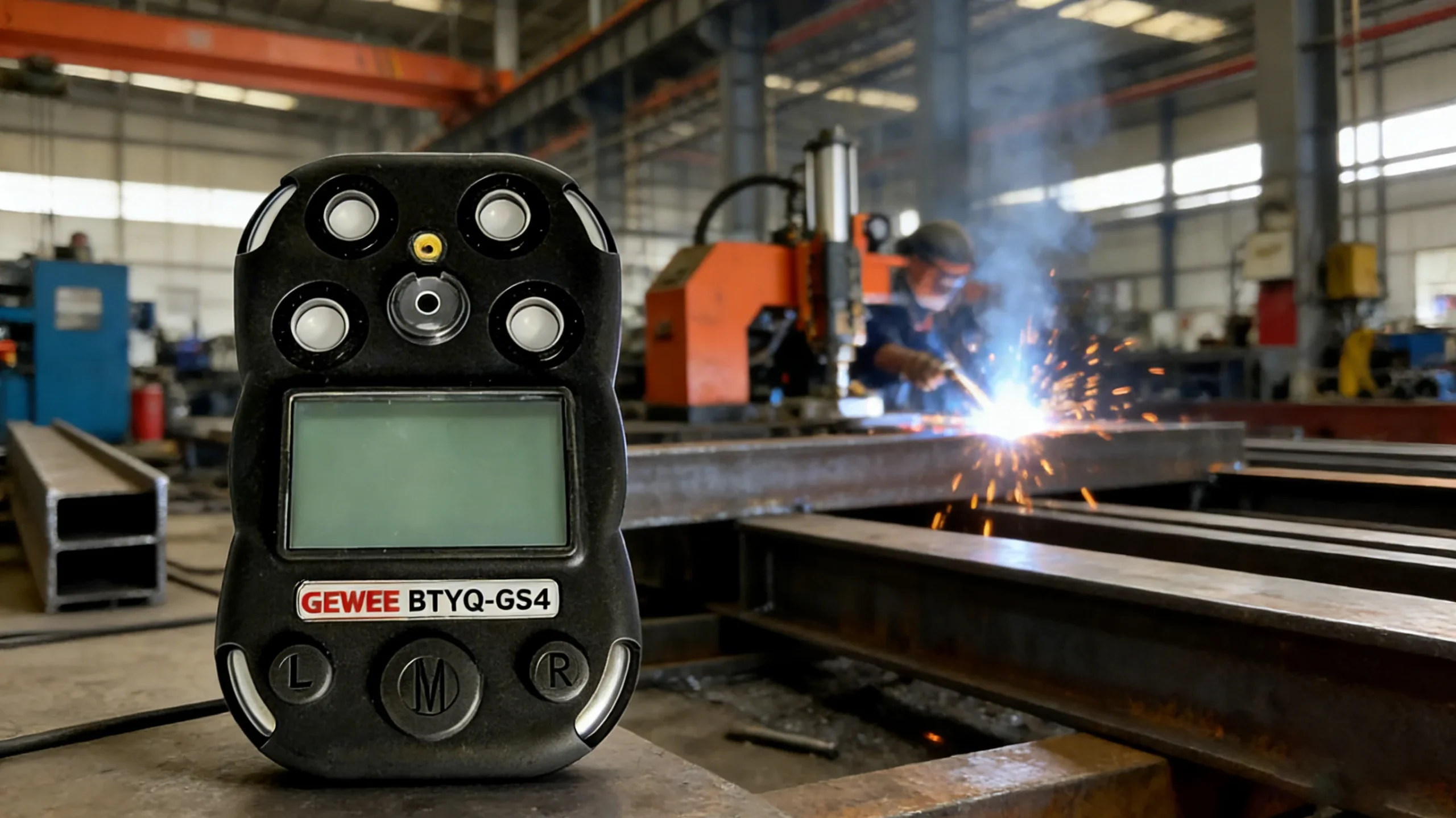
If you decide to purchase, the BTYQ-GS4 portable gas detector offers 1 to 5 gas configurations with catalytic combustion, electrochemical, and infrared sensor options. It provides sound, light, and vibration alarms above 95 dB at 30 cm and has more than 24 hours of runtime at room temperature (standard 4-sensor configuration).
For contractors who want reliable, long-runtime equipment they can standardize across crews, it is a smart long-term investment.
Final takeaway
Rental is useful for short-term or unusual jobs, but purchase wins when detection is a regular part of your work. The best decision is based on total cost of ownership, not just the sticker price. Map your usage patterns, calculate the ongoing costs, and choose the strategy that keeps your crews protected without surprises.