
A portable gas detector is only dependable if it is maintained on a consistent schedule. Daily checks catch obvious issues, monthly tasks keep accuracy on track, and annual service prevents costly surprises. A clear maintenance checklist makes it easier to train new technicians, pass audits, and keep crews safe.
Use this guide to build a maintenance routine that fits both field teams and shop-based safety programs, with tasks that are easy to verify and document.
Daily or pre-shift checks
Daily checks are about readiness. They take only a few minutes but prevent most failures in the field. Create a pre-shift routine that technicians can follow without supervision.
- Inspect the housing for cracks, missing screws, or damaged seals
- Confirm sensors are installed and the gas list matches the job
- Check battery level and verify a full charge for the shift
- Verify alarms (sound, light, vibration) are functioning
- Check the inlet and filters for dirt, moisture, or blockage
- Confirm date and time settings for accurate logs
Daily bump testing
A bump test verifies that sensors respond and alarms trigger. Many safety programs require a bump test before each shift or before entry into a confined space. Follow your internal policy and the detector manufacturer’s guidance, and record the results.
If a detector fails a bump test, remove it from service immediately and troubleshoot before use.
End-of-shift care
After use, wipe the detector with a clean cloth, remove moisture from inlets, and store it in a dry location. If the device was exposed to heavy dust, oil, or water spray, remove protective covers and inspect seals for damage. This short routine reduces corrosion and keeps sensors protected overnight.
Weekly or monthly tasks
Monthly tasks focus on accuracy, wear items, and accessory health. These checks are best done by a safety technician or supervisor who tracks the maintenance schedule for the fleet.
- Full calibration according to manufacturer intervals
- Inspect and replace filters or inlet screens if clogged
- Check pump operation and sampling hose condition
- Inspect charging contacts and cables for wear
- Review calibration and bump test records for gaps
- Verify alarm setpoints match your safety program
Quarterly or semi-annual tasks
For detectors that see heavy use or harsh environments, add a deeper inspection every quarter or six months. This can include leak tests on seals, inspection of alarm covers, and verification of accessories like belt clips, protective boots, or docking stations. If the detector supports data logging, download and archive logs during this interval.
Annual maintenance and service
Annual service is a chance to reset your fleet to known good condition. This typically includes a full calibration, sensor performance review, and a battery health check. Replace sensors that show slow response or cannot be calibrated within tolerance. If your detectors support firmware updates, apply the latest version after confirming it is approved for your program.
- Replace worn sensors and gaskets
- Verify alarm outputs at full volume and brightness
- Perform a full functional test on all gas channels
- Update documentation and asset tracking records
Calibration gas management
Maintenance depends on calibration gas quality. Track cylinder expiration dates, store cylinders properly, and verify that the correct gas mix is used for each detector. Poor calibration gas leads to poor readings, even if the detector appears to pass tests.
Storage and transport best practices
Proper storage protects sensors between shifts. Keep detectors in a clean, dry case and avoid leaving them in extreme heat or freezing temperatures. Transport them in padded cases to avoid shock damage. If the detectors are stored for long periods, perform a bump test before returning them to service.
Consider a central charging station to reduce lost chargers and verify that every unit is charged for the next shift.
Training and accountability
Maintenance programs fail when ownership is unclear. Assign responsibility for daily checks, calibration schedules, and recordkeeping. New technicians should be trained on the checklist and evaluated during their first weeks to confirm good habits.
Common maintenance mistakes to avoid
- Skipping bump tests because the detector worked yesterday
- Ignoring minor alarm failures like weak vibration or dim LEDs
- Using expired calibration gas cylinders
- Delaying sensor replacement after repeated failed calibrations
- Mixing accessories between devices without cleaning or inspection
Product spotlight for low-maintenance field use
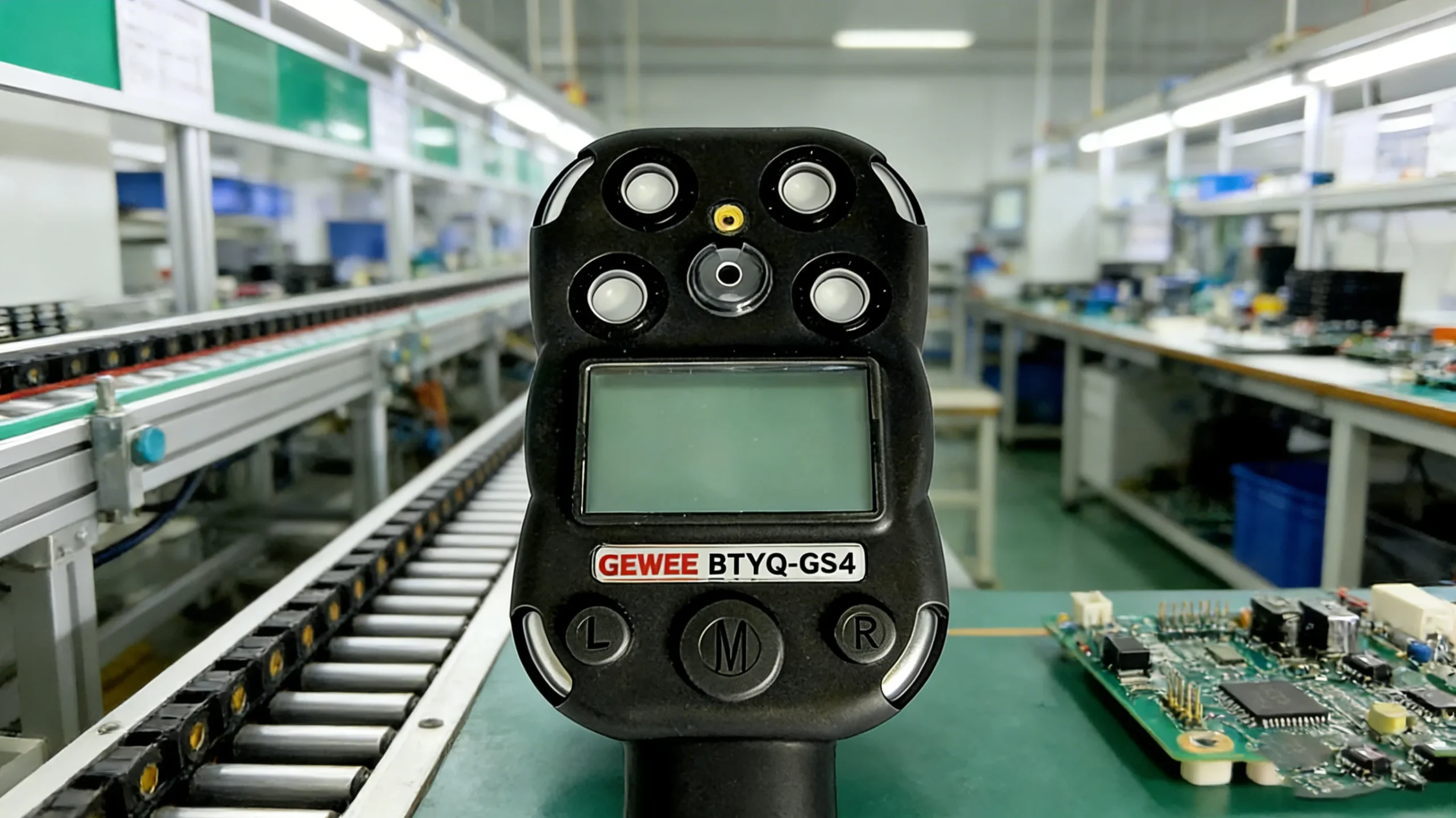
The BTYQ-GS4 portable gas detector offers a 2.2-inch dot-matrix LCD, sound, light, and vibration alarms above 95 dB at 30 cm, and IP67 protection for dusty or wet environments. With more than 24 hours of runtime at room temperature (standard 4-sensor configuration), it fits long shifts with fewer charging interruptions.
Its rugged design and long runtime make it a solid choice for crews that need dependable daily performance.
Final takeaway
A portable gas detector is a safety system, not just a device. Daily checks, scheduled calibration, and annual service create a predictable maintenance rhythm. When each task is documented and consistent, crews gain confidence, and safety programs hold up under audit pressure.