
Tank cleaning combines confined space risk with unknown residues. Vapors can linger even after draining, and conditions can change during cleaning. A portable gas detector is essential, but only when used with a structured pre-entry testing routine.
This step-by-step guide outlines a practical testing process that helps crews reduce exposure and stay compliant.
Step 1: Review the tank history and hazards
Start with the tank’s contents and cleaning method. Review SDS information, previous incidents, and any chemicals that may still be present. Your gas list should reflect actual residues, not just generic hazards.
Step 2: Isolate and ventilate
Lockout and isolate the tank, then ventilate. Ventilation reduces peak concentrations and makes sampling more reliable. Use forced ventilation if possible, and keep it running during testing and entry.
Step 3: Pre-entry sampling at multiple levels
Gases stratify in tanks. Sample at the top, middle, and bottom from outside the opening. Use a pump or sampling line to avoid exposing workers during this phase.
- Sample the top first to check for lighter vapors
- Sample the middle to check for mixed concentrations
- Sample the bottom where heavier vapors can settle
Step 4: Verify oxygen and LEL first
Oxygen deficiency and flammable vapors are immediate dangers. Confirm acceptable oxygen and low LEL readings before focusing on toxic gases. If oxygen is low, ventilate and re-test before entry.
Step 5: Confirm toxic gases and specific residues
Use the correct toxic gas sensors for your residues, such as H2S, CO, or specific process gases. If VOCs or solvents are likely, consider a PID for low-level detection.
Step 6: Integrate with the confined space permit
The permit should document the gas list, pre-entry readings, and alarm setpoints. If readings are outside limits, entry is not allowed until ventilation and re-testing confirm safe conditions.
Step 7: Continuous monitoring during cleaning
Conditions can change as residues are disturbed. Keep the detector on the entrant and re-check at intervals. If alarms occur, stop work, ventilate, and investigate.
Step 8: Re-test after changes
Any change in ventilation, cleaning chemicals, or work method should trigger another test. Do not assume the original readings remain valid after conditions change.
Step 9: Gas-free certificates are not enough
A gas-free certificate is a snapshot in time. It does not replace continuous monitoring. Treat it as a starting point, then confirm conditions before entry and keep monitoring during work.
Step 10: Document readings and actions
Record pre-entry readings, alarm events, and any ventilation changes. Documentation protects workers and supports compliance audits.
Hot work considerations
If cutting or welding is planned, confirm LEL remains below safe thresholds and keep the detector in place throughout the task. Stop work immediately if alarms occur.
Common mistakes to avoid
- Sampling only at one height
- Assuming ventilation eliminates the need for testing
- Using a detector configured for the wrong gases
- Skipping re-tests after process changes
Post-entry debrief
After cleaning, review what happened. If alarms occurred or conditions shifted unexpectedly, update the checklist and training so the next job is safer.
Product spotlight for tank cleaning teams
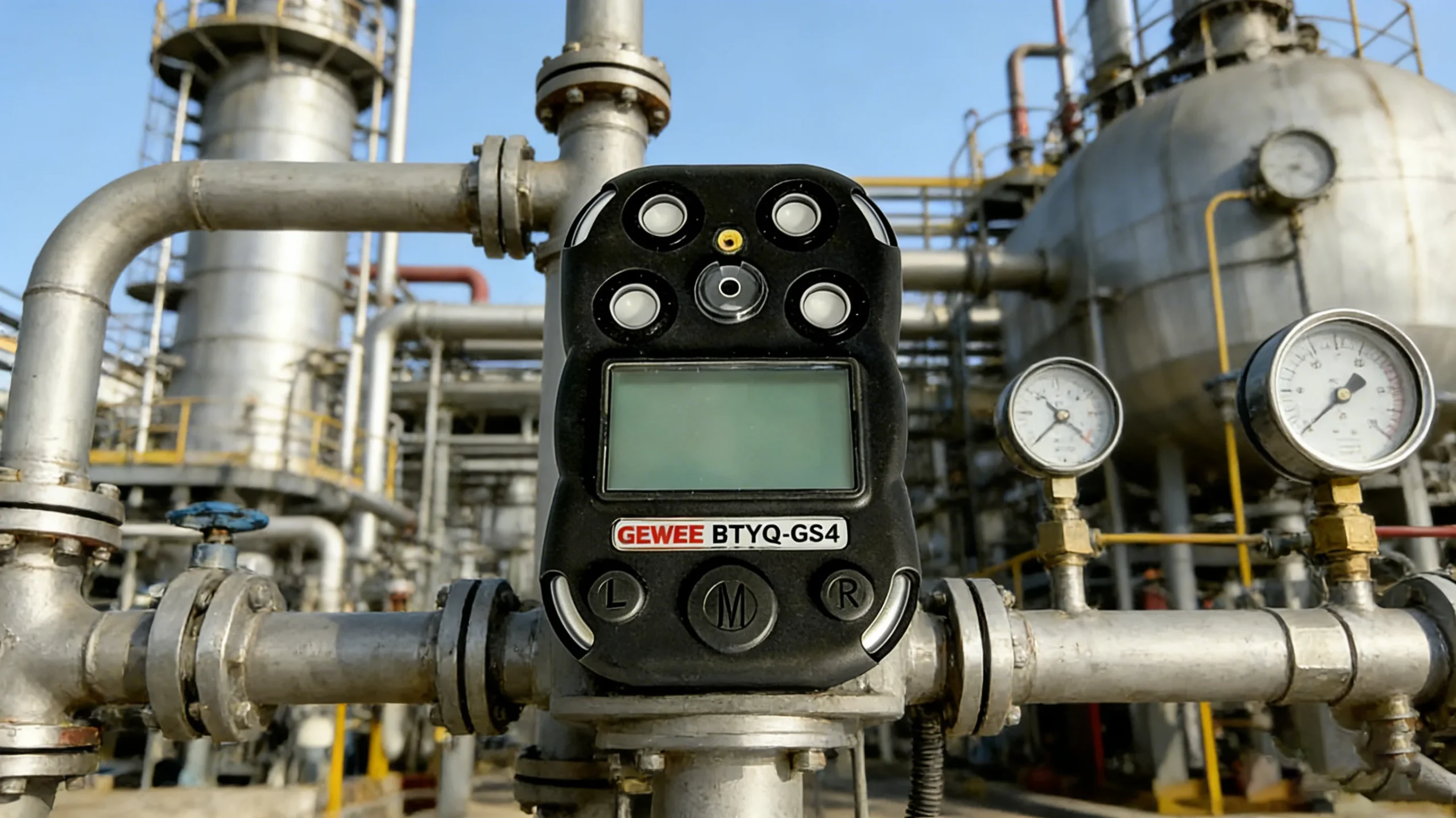
For crews that need a rugged multi-gas unit with optional pump support, the BTYQ-GS4 portable gas detector supports 1 to 5 gas configurations and offers catalytic combustion, electrochemical, and infrared sensor options. It uses diffusion sampling with an optional handheld external pump and provides sound, light, and vibration alarms over 95 dB at 30 cm. Its IP67 protection helps it hold up in wet or dirty tank environments.
These features align with the real-world demands of tank cleaning where reliability and clear alarms are critical.
Final takeaway
Tank cleaning is high risk, but a consistent testing process reduces that risk. Follow a structured pre-entry routine, sample at multiple levels, and maintain continuous monitoring during work. Good process, not luck, is what keeps crews safe. Even small steps matter.