
Confined space entry is one of the most hazardous tasks in industrial safety. Gas concentrations can change quickly, ventilation may be limited, and rescue options are complex. The right portable gas detector is a critical part of the entry system, but only if it fits the hazards and the workflow.
This guide explains how to choose a detector for confined spaces and how to use it correctly before and during entry.
Start with the core four gases
Most confined space programs monitor oxygen, combustibles (LEL), hydrogen sulfide, and carbon monoxide. These four cover the most common risks. If your site has unique chemicals, add the specific toxic gas sensors required by your permit.
Understand gas behavior and stratification
Gases do not mix evenly in confined spaces. Lighter gases can accumulate at the top while heavier vapors settle near the bottom. That is why sampling at multiple heights is mandatory. A detector that supports sampling from outside the space helps you evaluate risk before entry.
Use pre-entry sampling every time
Pre-entry sampling is non-negotiable. Test the space from outside the opening and sample at the top, middle, and bottom because gases stratify. A pump or sampling line is the safest way to check conditions before anyone enters.
Pre-entry checklist that teams should follow
- Verify the permit and list the required gases
- Inspect the detector and confirm battery level
- Complete a bump test if required by policy
- Test the space at multiple levels before entry
- Confirm communication and rescue readiness
Ventilation and re-testing
Ventilation can improve conditions, but it can also change gas movement. Re-test after ventilation changes and after any work activity that could release gas. Continuous monitoring is the only safe way to detect sudden changes during work.
Continuous monitoring during entry
Conditions can change once work begins. Keep the detector on the entrant and verify that alarms are audible and visible. If the detector alarms, follow the permit procedure: stop work, evacuate, and ventilate.
Setpoints and response actions
Alarm setpoints should be documented in your permit program. Many sites use a low alarm for early warning and a high alarm for immediate evacuation. The most important step is to train workers on exactly what to do when an alarm sounds.
Alarm clarity and ruggedness matter
In confined spaces, noise levels can be high and visibility can be poor. Choose a detector with sound, light, and vibration alarms. The unit must also withstand moisture and rough handling. IP-rated protection and impact resistance reduce the chance of failure during entry.
Rescue readiness and attendant monitoring
The attendant should monitor conditions and be ready to initiate rescue. In some programs, the attendant carries a second monitor to verify readings and watch for changes in ventilation or gas levels.
Post-entry review
After exit, document readings and any alarms. Review what went well and update the permit process if conditions changed unexpectedly. This feedback loop improves the next entry.
Training and procedures are part of the equipment decision
A good detector is only as effective as the people who use it. Train workers on sampling technique, alarm response, and daily inspections. Make sure calibration and bump testing are performed on schedule.
Product spotlight for confined space work
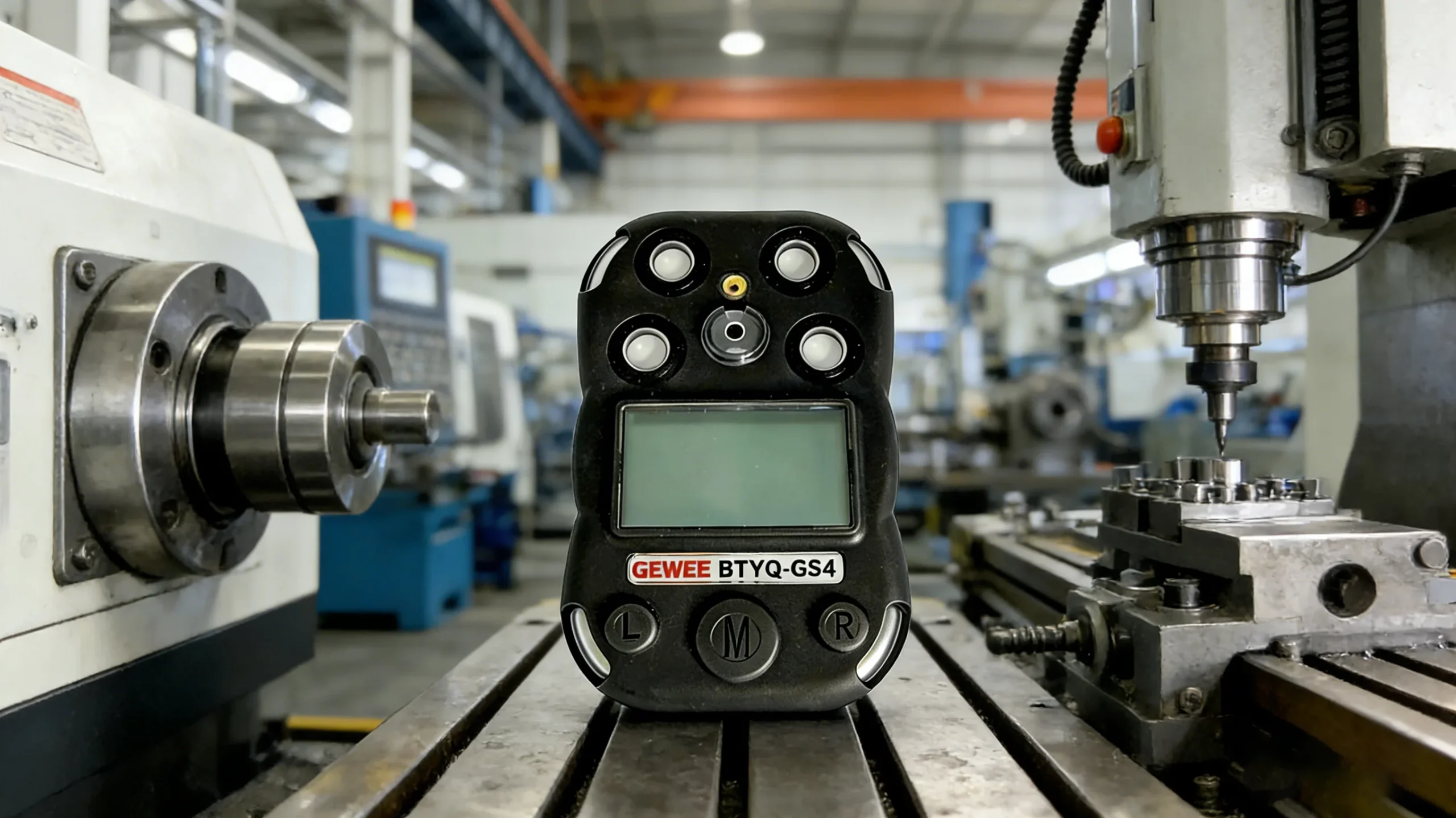
A compact multi-gas unit with optional pump support is a practical choice for many entry teams. The BTYQ-GS4 portable gas detector is designed to detect 1 to 5 gases, supports catalytic combustion, electrochemical, and infrared sensors, and uses diffusion sampling with an optional handheld external pump for pre-entry checks. It also provides IP67 protection and sound, light, and vibration alarms over 95 dB at 30 cm.
Those features align well with the demands of confined space entry where reliability and alarm clarity are critical.
Final takeaway
The best portable gas detector for confined space entry is not just the one with the most features. It is the one that matches your hazard list, supports pre-entry sampling, and integrates into your permit workflow. Choose the right tool, then enforce consistent testing and training. That combination is what keeps workers safe.