
Portable gas detectors are safety instruments, not just gadgets. That means they need routine checks to stay reliable. Two procedures are essential: bump testing and calibration. They are not the same, and a strong program uses both.
This guide explains the difference, how to set a realistic schedule, and how to build a workflow that is easy for crews to follow.
What a bump test is (and is not)
A bump test is a functional check. You briefly expose the sensors to a known concentration of test gas to confirm the detector responds and alarms. It does not adjust accuracy. The goal is to confirm the detector can detect and alarm today, right now, before someone enters a risky area.
- Verifies sensor response and alarm function
- Quick and repeatable
- Should be documented as part of daily or pre-use checks
What calibration does
Calibration adjusts the detector so it reads accurately. Sensors drift over time due to temperature, humidity, and exposure. Calibration corrects this drift by aligning the detector to a known gas concentration. It takes longer than a bump test and is usually scheduled weekly, monthly, or quarterly depending on risk and policy.
- Adjusts accuracy to match a known standard
- Compensates for sensor aging and drift
- Required by most safety programs
How often should you test and calibrate?
There is no universal interval. The best schedule depends on your hazards, usage frequency, and regulatory requirements. High-risk sites often bump test daily and calibrate monthly. Low-risk or infrequent use may allow weekly bump tests and longer calibration intervals. Always follow the manufacturer guidance and your internal safety rules.
Also calibrate after a major exposure event, after a failed bump test, or after sensor replacement. A risk-based schedule prevents drift from turning into a hidden hazard.
Bump test vs calibration: quick comparison
- Bump test answers: does the detector respond and alarm right now?
- Calibration answers: are the readings accurate and within tolerance?
- Bump tests are frequent; calibration is scheduled and documented.
Step-by-step bump test routine
- Inspect the detector for damage and confirm battery level.
- Attach the calibration cap or tubing.
- Apply the correct test gas at the recommended flow rate.
- Verify that readings rise and alarms activate.
- Record the result and clear the alarm.
Calibration workflow essentials
Calibration usually includes a zero step (fresh air) and a span step (known gas). Use the correct gas mix and expiration date. Follow the recommended flow rate and allow the sensor to stabilize. Document the calibration result, including any sensor that fails.
Recordkeeping and accountability
Test records protect your team and your company. Good logs include date, time, device ID, gas mix, technician name, and pass or fail. Review logs regularly to catch patterns, such as a sensor that drifts too quickly.
Tips to improve compliance without slowing work
Even a strong policy fails if the process is too slow. Simplify the workflow and make it easy for crews to comply.
- Keep test gas and regulators near the work area
- Label detectors clearly with next calibration dates
- Use a simple log sheet or digital form to capture results
- Assign a backup detector so work does not stop if one fails
When to remove a detector from service
- Repeated calibration failures
- Slow response during bump testing
- Damaged housing or compromised seals
- Battery issues that cause unexpected shutdowns
Why equipment choice matters
A detector that is easy to test improves compliance. Clear alarms, strong displays, and simple menus make bump tests faster and reduce skipped steps.
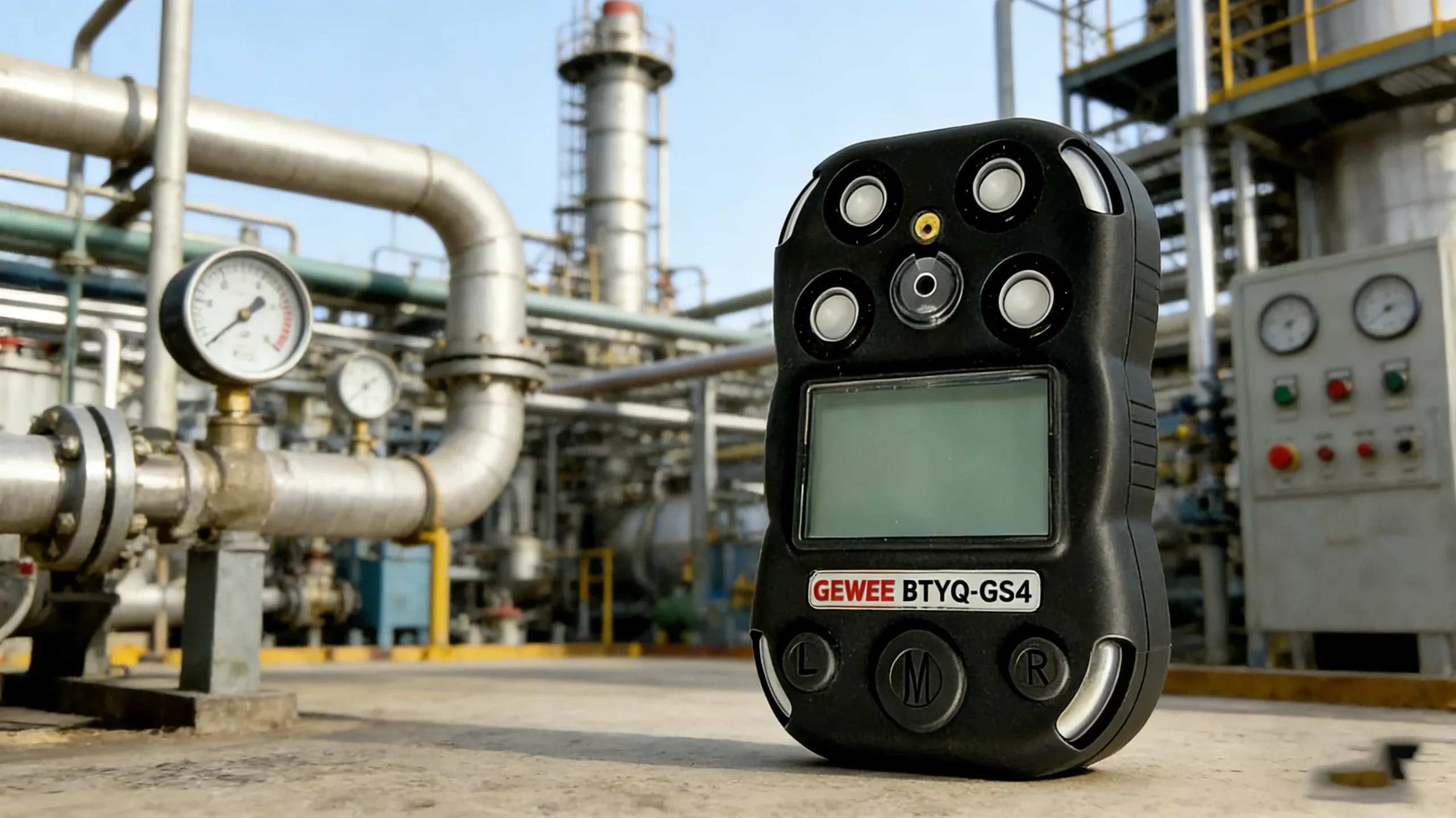
If you need a rugged multi-gas unit for routine testing, the BTYQ-GS4 portable gas detector supports sound, light, and vibration alarms above 95 dB at 30 cm and provides a 2.2-inch dot-matrix LCD display for easy confirmation during testing. It also supports 1 to 5 gas configurations, which helps standardize one model across multiple teams.
A consistent testing routine, paired with a reliable device, is the best defense against sensor drift and undetected failures.
Final takeaway
Bump tests prove the detector responds today. Calibration keeps the readings accurate over time. Both are essential. Build a program that is simple, documented, and enforced, and your portable gas detectors will be ready when they are needed most.