
Advanced Gas Detector Data Analytics: Predictive Maintenance for Industrial Safety
In industrial environments where flammable, toxic, or combustible gases pose significant risks, real-time monitoring is no longer sufficient. The integration of advanced gas detector data analytics with predictive maintenance strategies has become a critical component in ensuring operational safety, minimizing downtime, and reducing unplanned equipment failures. Modern gas detection systems, such as those developed by Shanghai Gewe Electronic Safety Equipment Co., Ltd., now incorporate intelligent sensor technologies, cloud connectivity, and multi-protocol communication to deliver actionable insights beyond simple alarm triggers.
Core Components of Intelligent Gas Detection Systems
At the heart of any reliable gas detection system lies the gas sensor, which converts changes in gas concentration into measurable electrical signals. Selecting the appropriate sensing principle is essential for accuracy, longevity, and environmental adaptability. Common sensor types include catalytic combustion, infrared (IR), electrochemical, semiconductor, and photoionization (PID). Each offers distinct advantages depending on the target gas, ambient conditions, and required response time.
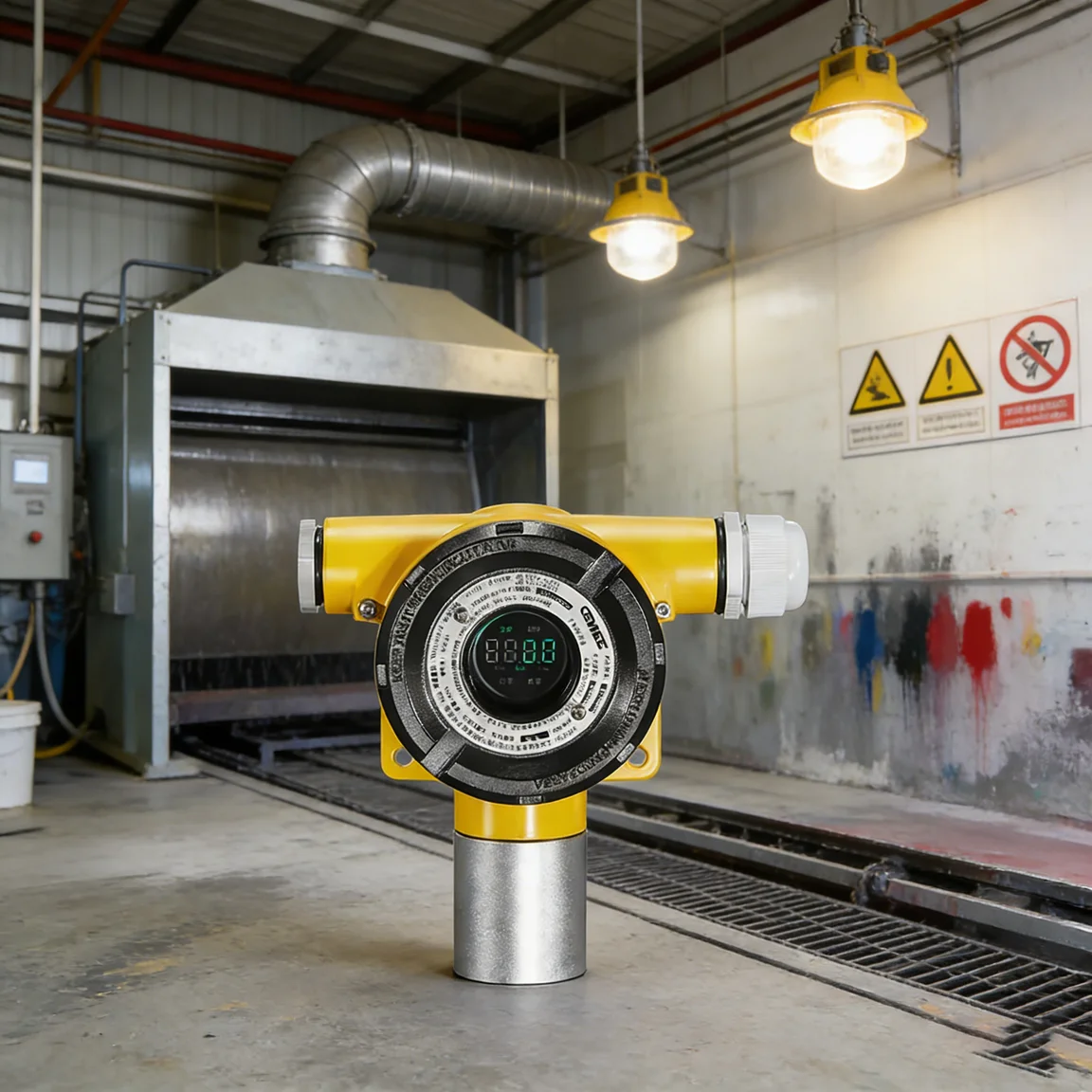
For instance, the GDE series from Gewe utilizes high-performance infrared and laser gas sensors, delivering exceptional sensitivity and stability over long periods. These detectors feature automatic temperature compensation and zero-point calibration, ensuring consistent performance even in fluctuating industrial environments. With a sensor lifespan exceeding five years and measurement accuracy within ±3% for IR models, the GDE series is engineered for demanding applications in oil & gas, chemical processing, and power generation.
Integration of IoT and Cloud Platforms for Real-Time Analytics
Beyond standalone detection, modern systems leverage IoT-enabled architectures and cloud-based platforms to aggregate, analyze, and visualize data across multiple detection points. Gewe’s proprietary cloud software, combined with 4G and Wi-Fi modules, enables remote monitoring of gas concentrations, device status, and historical trends. This connectivity allows facility managers to access real-time dashboards via mobile clients or centralized control rooms, facilitating rapid decision-making during potential incidents.
The GM810/GM820 gas alarm controllers exemplify this integration. Built on a modular, scalable design, these controllers support automatic addressing over RS485 bus networks, simplifying installation and expansion. They interface seamlessly with Gewe’s full range of detectors—including the GDC and GDA series—and provide relay outputs, 4–20mA analog signals, and digital communication for integration into broader plant automation systems.
Predictive Maintenance Through Data-Driven Insights
Traditional maintenance schedules rely on fixed intervals or reactive responses to alarms. In contrast, predictive maintenance uses continuous data streams from gas detectors to identify early signs of sensor degradation, drift, or environmental interference. For example, gradual increases in baseline readings or deviations in response time can indicate sensor aging or contamination—issues that may not trigger immediate alarms but compromise long-term reliability.
Gewe’s smart sensors, equipped with onboard diagnostics and self-test capabilities, transmit performance metrics such as zero drift (<2% per six months) and sensitivity drift (<3% per six months) to the central platform. When anomalies are detected, maintenance alerts are automatically generated, enabling technicians to replace or recalibrate units before failure occurs. This proactive approach reduces false alarms, extends equipment life, and ensures compliance with safety standards like GB15322 and GB3836.
System Flexibility and Environmental Adaptability
Industrial sites vary widely in layout, hazard classification, and communication infrastructure. Gewe addresses this diversity through flexible output options—including bus and Line splitting configurations—and ruggedized enclosures rated IP66 with explosion-proof certification for Zone 1 and Zone 2 hazardous areas. The GDC series, for example, supports multiple sensor types (catalytic, IR, semiconductor) within a single housing, allowing customization based on specific gas monitoring needs.
Additionally, features like infrared remote operation, pre-calibrated plug-and-play sensors, and color LED displays visible from 25 meters enhance usability in confined or high-risk zones. These design elements reduce maintenance time and minimize human exposure during routine checks.
By combining precise sensing technology with intelligent data analytics, companies like Gewe are redefining industrial safety protocols. Their integrated ecosystem—spanning flame detectors, gas detectors, alarm controllers, and cloud platforms—provides a comprehensive solution for modern predictive maintenance. As industries increasingly adopt digital transformation strategies, such systems will play a pivotal role in preventing accidents, optimizing operations, and ensuring regulatory compliance.