
Popular Posts
- Gas Detection for Lithium-Ion Battery Facilities: Electrolyte Vapors & Thermal Runaway Precursors
- Portable Gas Detector for Mining and Tunnels: Methane, CO, O2, and NO2 Before Entry
- Industrial Scientific Ventis and Tango Alternative: Comparing Sensors, Runtime, and Total Cost
- Honeywell BW Solo vs GEWEE Single-Gas Monitor: H2S, CO, O2 Reliability Compared
- Portable Gas Detector for Hot Work and Welding: CO, NO2, and Oxygen Depletion Monitoring
-
Optimal Performance and Longevity: Your Essential Maintenance Checklist for GEWEE Fixed Flame Detectors
-
Specialized Detection for Pyrophoric Gases: GEWEE Flame Detectors for Silane Fires (GW300, GW820)
-
Ensuring Safety and Compliance in Pharmaceutical Manufacturing with GEWEE Flame Detectors
-

Connecting Safety Systems: Integrating GEWEE Flame Detectors with SCADA via API and Standard Protocols
-
Modernizing Safety: Challenges and Solutions for Upgrading Flame Detection in Aging Chemical Plants with GEWEE
-
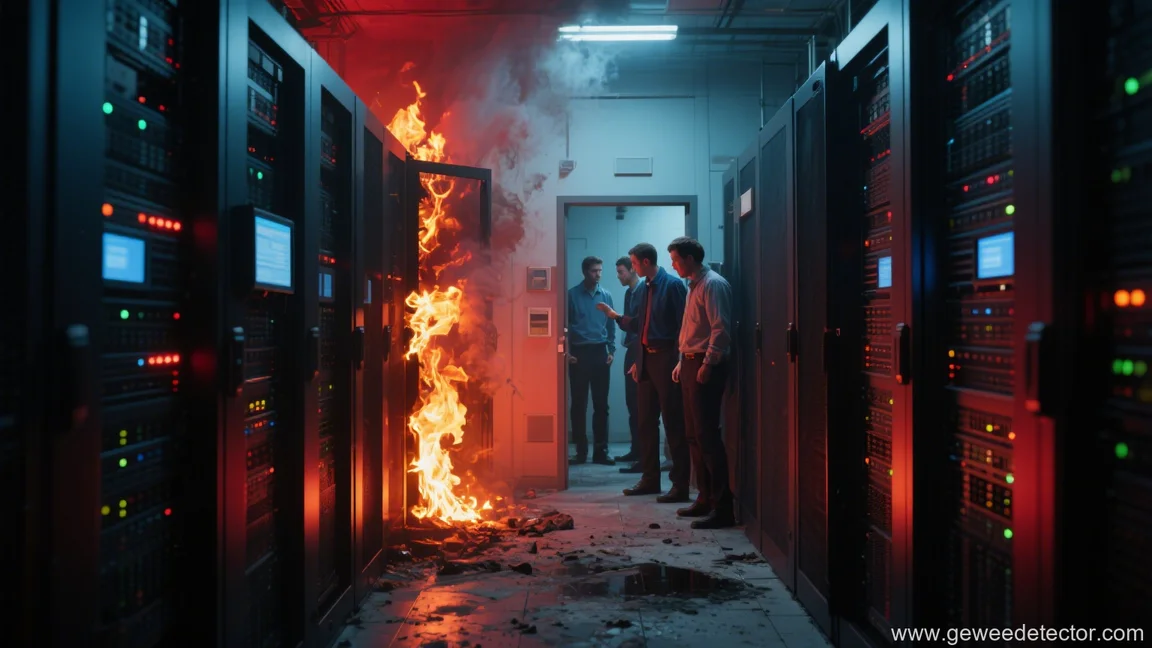
UV, IR, UV/IR, Multi-Spectrum: Understanding the Types of Fixed Flame Detectors
-
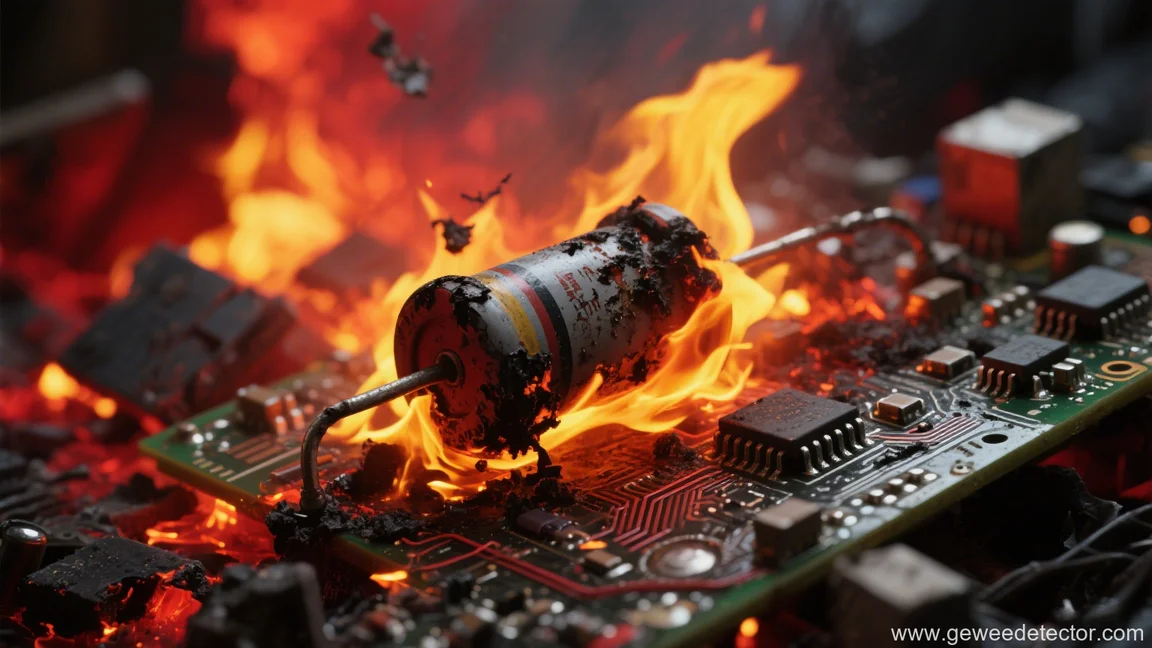
Detecting Subtle Threats: GEWEE Flame Detectors for Low-Intensity Fires in Large Open Areas
-
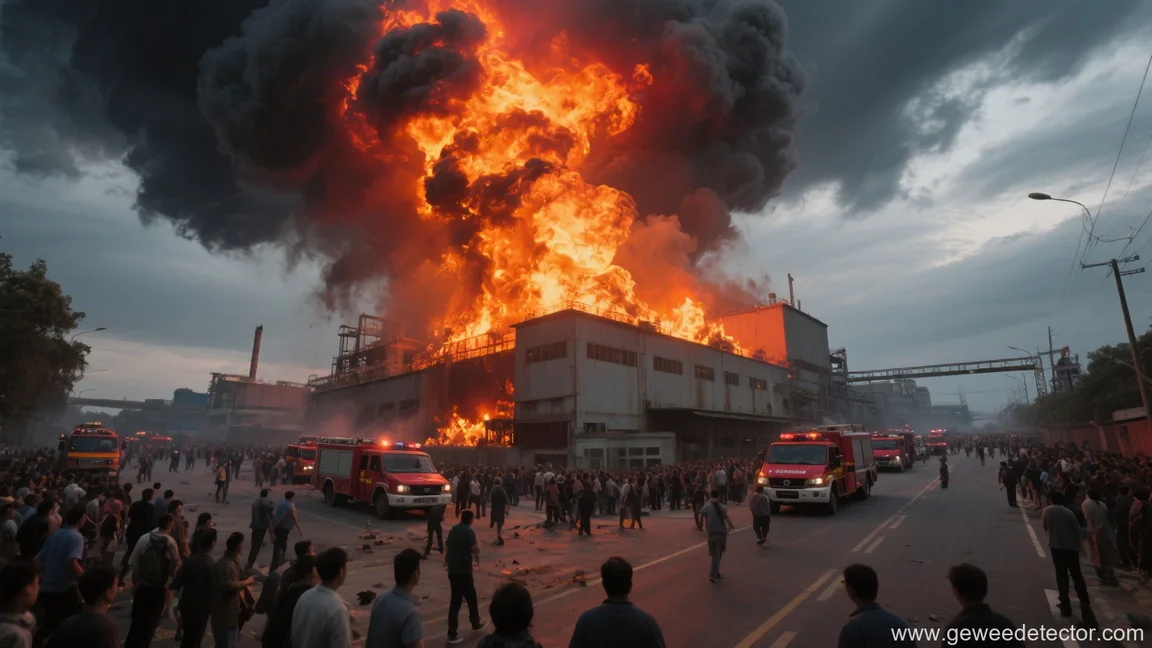
Battling False Alarms: How GEWEE’s AI and Multi-Spectrum Flame Detectors Enhance Reliability
-
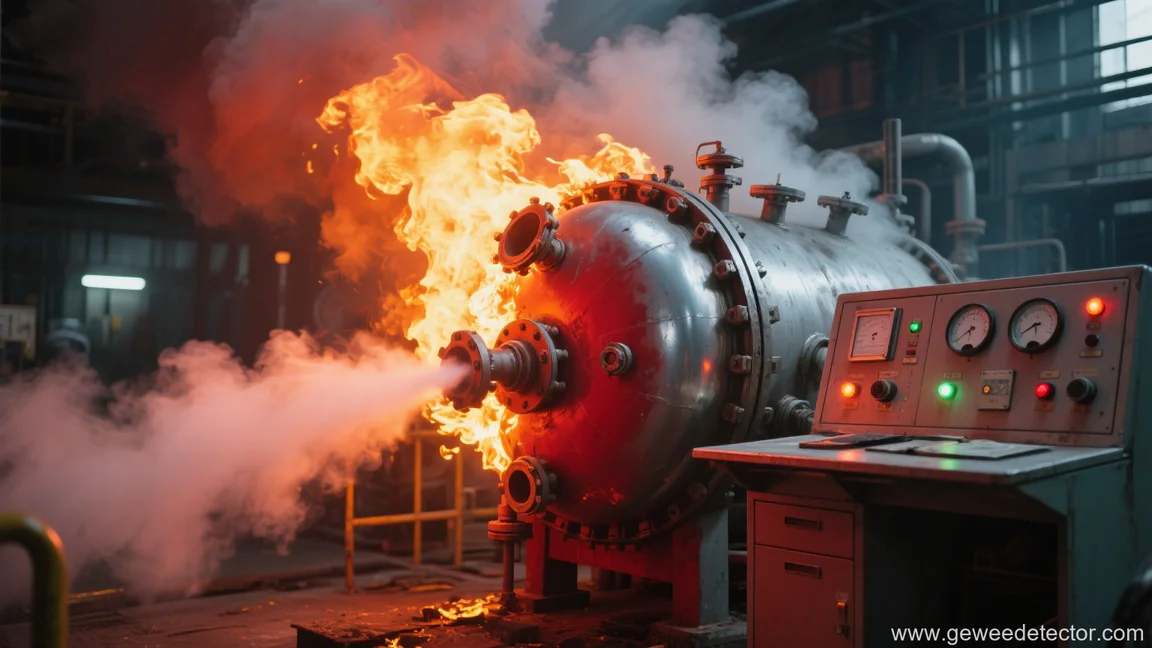
Mitigating High-Stakes Fire Risks: GEWEE Flame Detectors for Aircraft Hangars
-
The Science Behind Safety: How Do Fixed Flame Detectors Work?