
Popular Posts
- Gas Detection for Lithium-Ion Battery Facilities: Electrolyte Vapors & Thermal Runaway Precursors
- Portable Gas Detector for Mining and Tunnels: Methane, CO, O2, and NO2 Before Entry
- Industrial Scientific Ventis and Tango Alternative: Comparing Sensors, Runtime, and Total Cost
- Honeywell BW Solo vs GEWEE Single-Gas Monitor: H2S, CO, O2 Reliability Compared
- Portable Gas Detector for Hot Work and Welding: CO, NO2, and Oxygen Depletion Monitoring
-

Sun-Proof Safety: Advanced Signal Processing in GEWEE Flame Detectors for Solar Radiation Rejection
-
Enhancing Safety in Chemical Plants: Advanced Flame Detection by GEWEE
-

Reliable n-Heptane Fire Detection with GEWEE Fixed Flame Detectors
-
AI-Driven Precision: GEWEE GW820UVIR3’s False Alarm Immunity When Detecting Metal Fires (Al, Mg)
-
Safeguarding Marine Engine Rooms: Reliable Flame Detection with GEWEE Technology
-
Covering Vast Spaces: Long-Range Flame Detection Solutions by GEWEE for Warehouses
-
The Challenge of Invisible Flames: Effective Hydrogen Fire Detection with GEWEE GW820UVIR3
-
Meeting Highest Safety Standards: GEWEE GW300UVIR3 with SIL3 Certification for Chemical Industry Applications
-
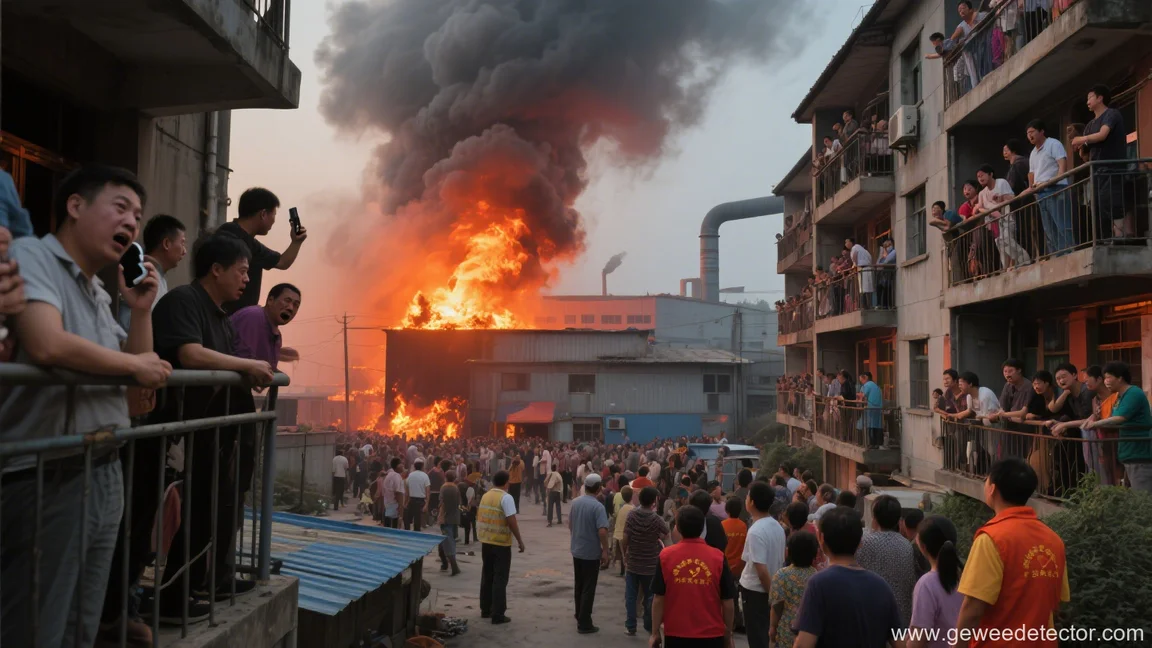
GEWEE Flame Detectors for High-Temperature Industrial Processes
-
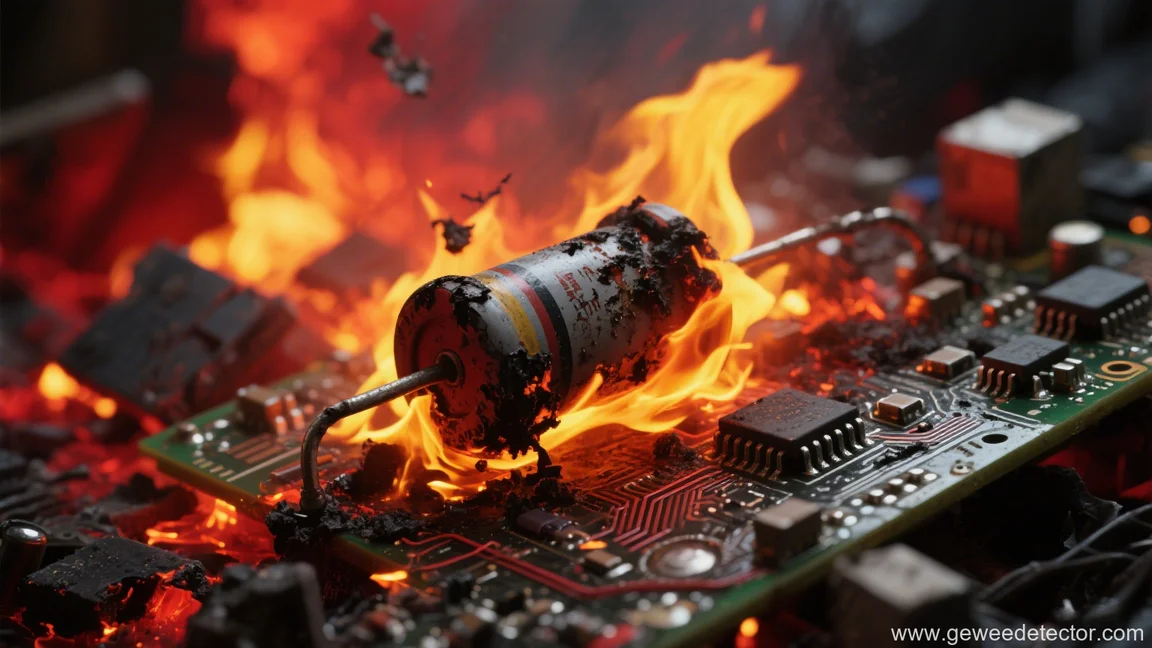
Affordable Safety: Achieving Reliable Flame Detection in Manufacturing with the Cost-Effective GEWEE GW100UV