
Popular Posts
- Gas Detection for Lithium-Ion Battery Facilities: Electrolyte Vapors & Thermal Runaway Precursors
- Portable Gas Detector for Mining and Tunnels: Methane, CO, O2, and NO2 Before Entry
- Industrial Scientific Ventis and Tango Alternative: Comparing Sensors, Runtime, and Total Cost
- Honeywell BW Solo vs GEWEE Single-Gas Monitor: H2S, CO, O2 Reliability Compared
- Portable Gas Detector for Hot Work and Welding: CO, NO2, and Oxygen Depletion Monitoring
-

Future Trends in Pyroelectric Infrared Sensor Technology
-
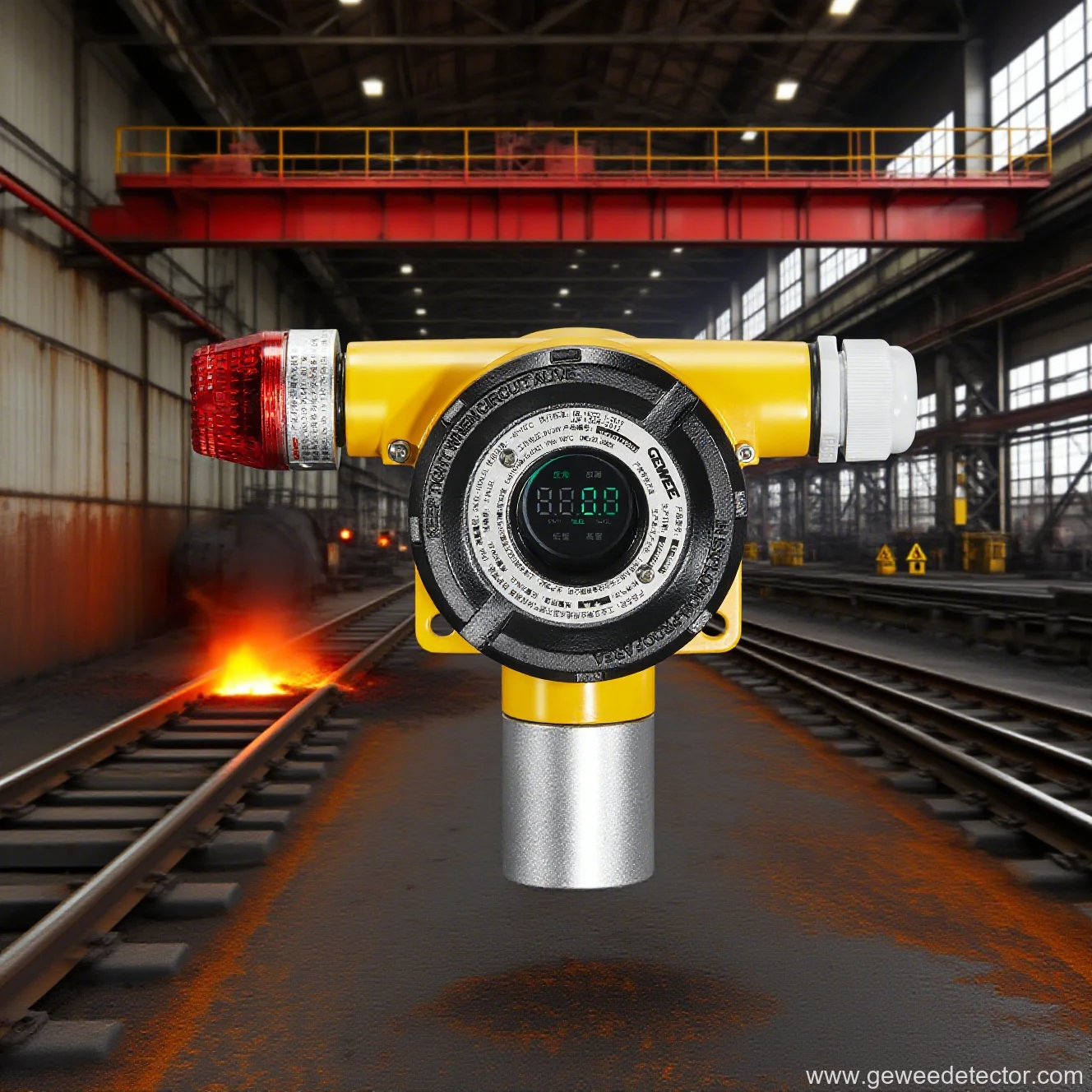
How to Reduce False Alarms in Gas Alarm Systems: AI-Driven Solutions Explained
-
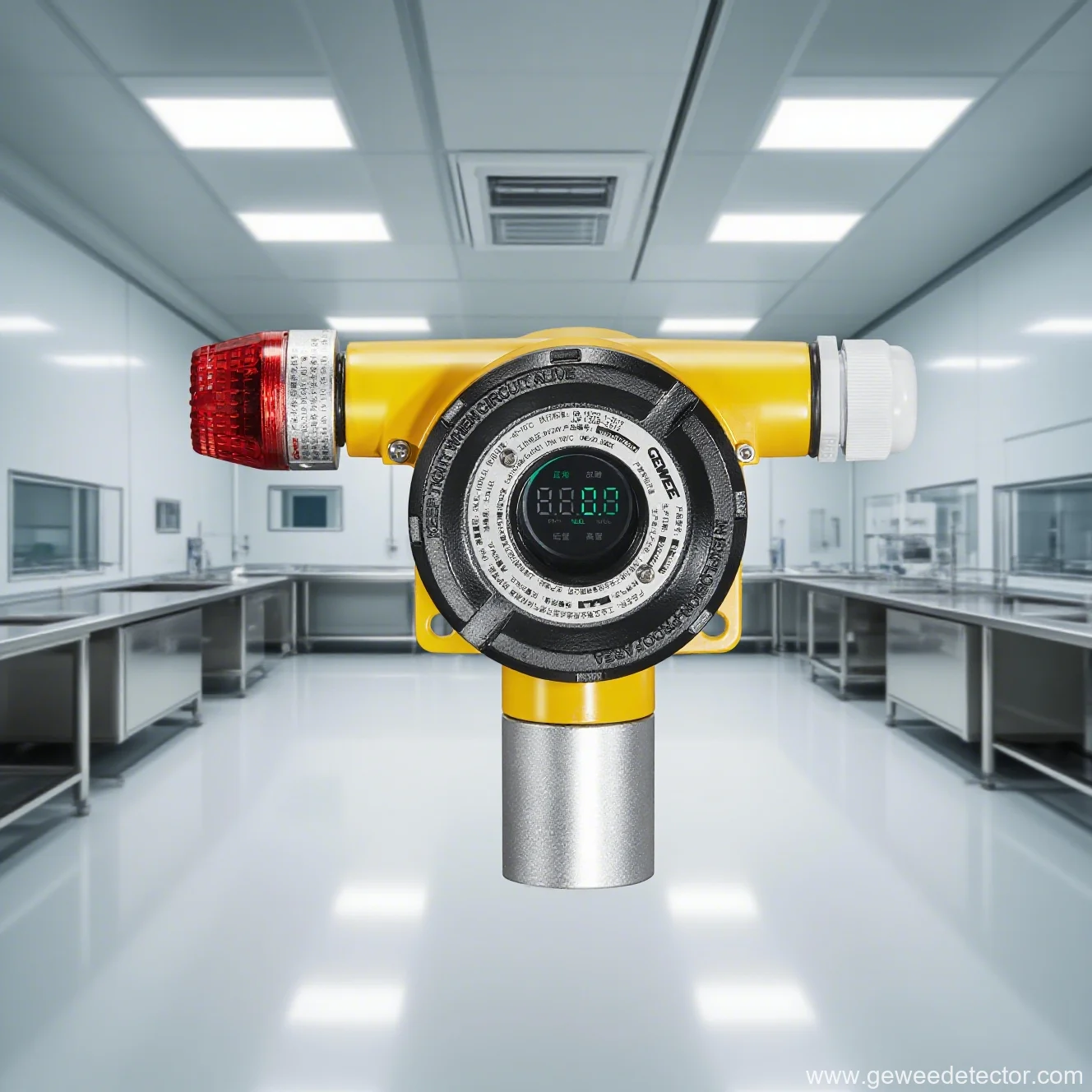
Professional Installation of Fixed Gas Alarm Systems: Industrial Park & Warehouse Best Practices
-
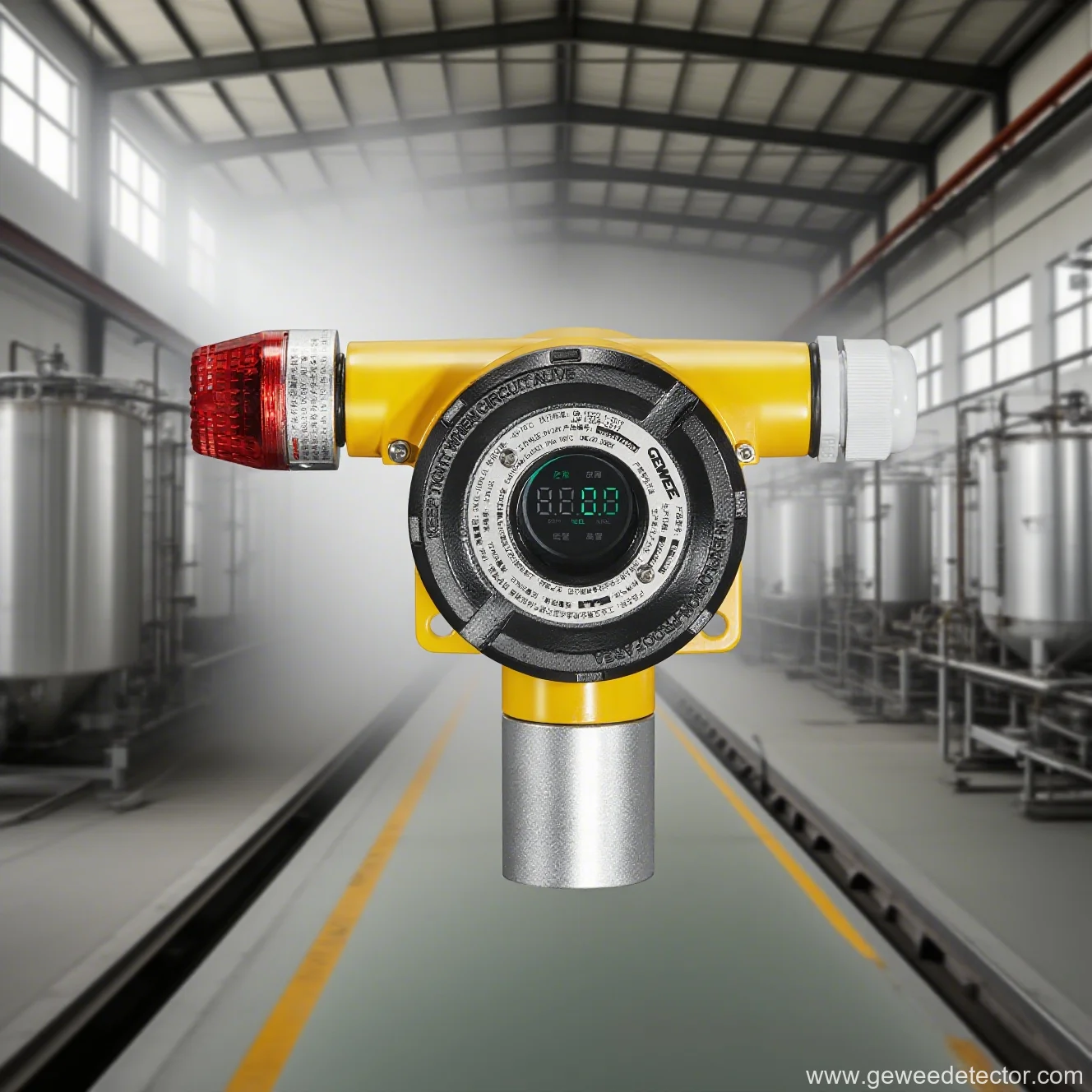
Certified Gas Alarm Systems: Meeting International Safety Standards for Industrial Applications
-
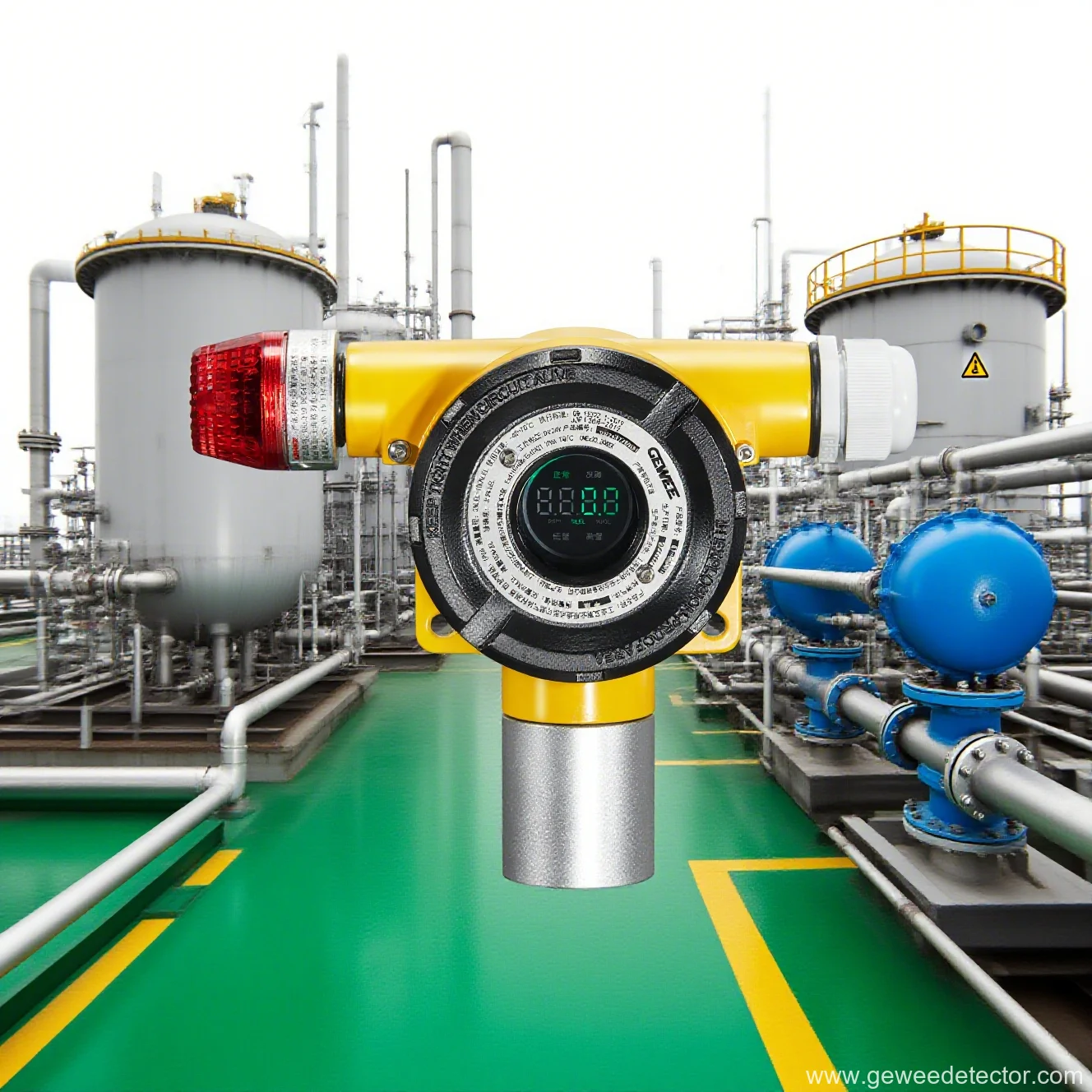
Toxic Gas Alarm Systems: Critical Protection in Semiconductor & Pharmaceutical Facilities
-
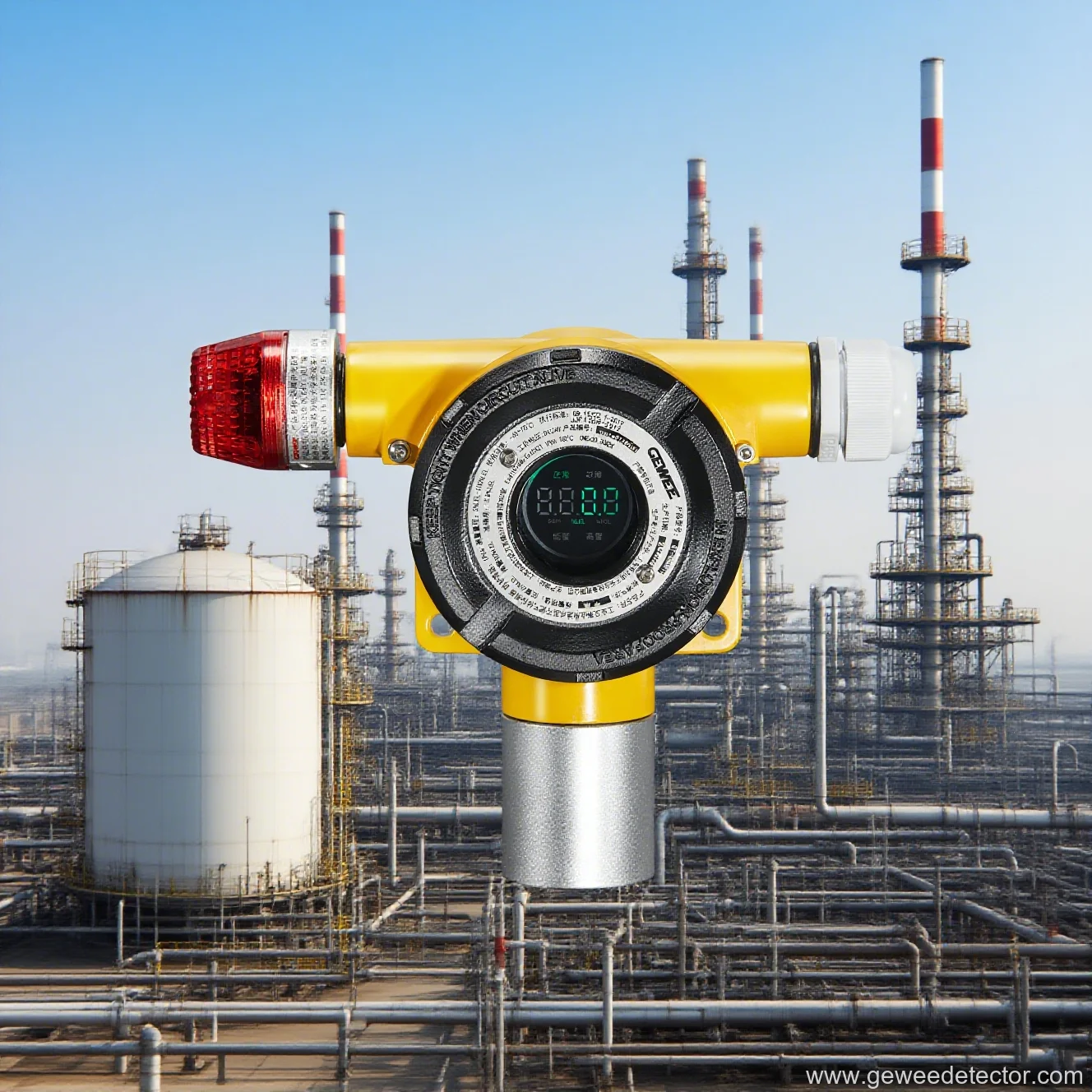
IoT-Enabled Smart Gas Alarm Systems: Comprehensive Industrial Safety Management
-
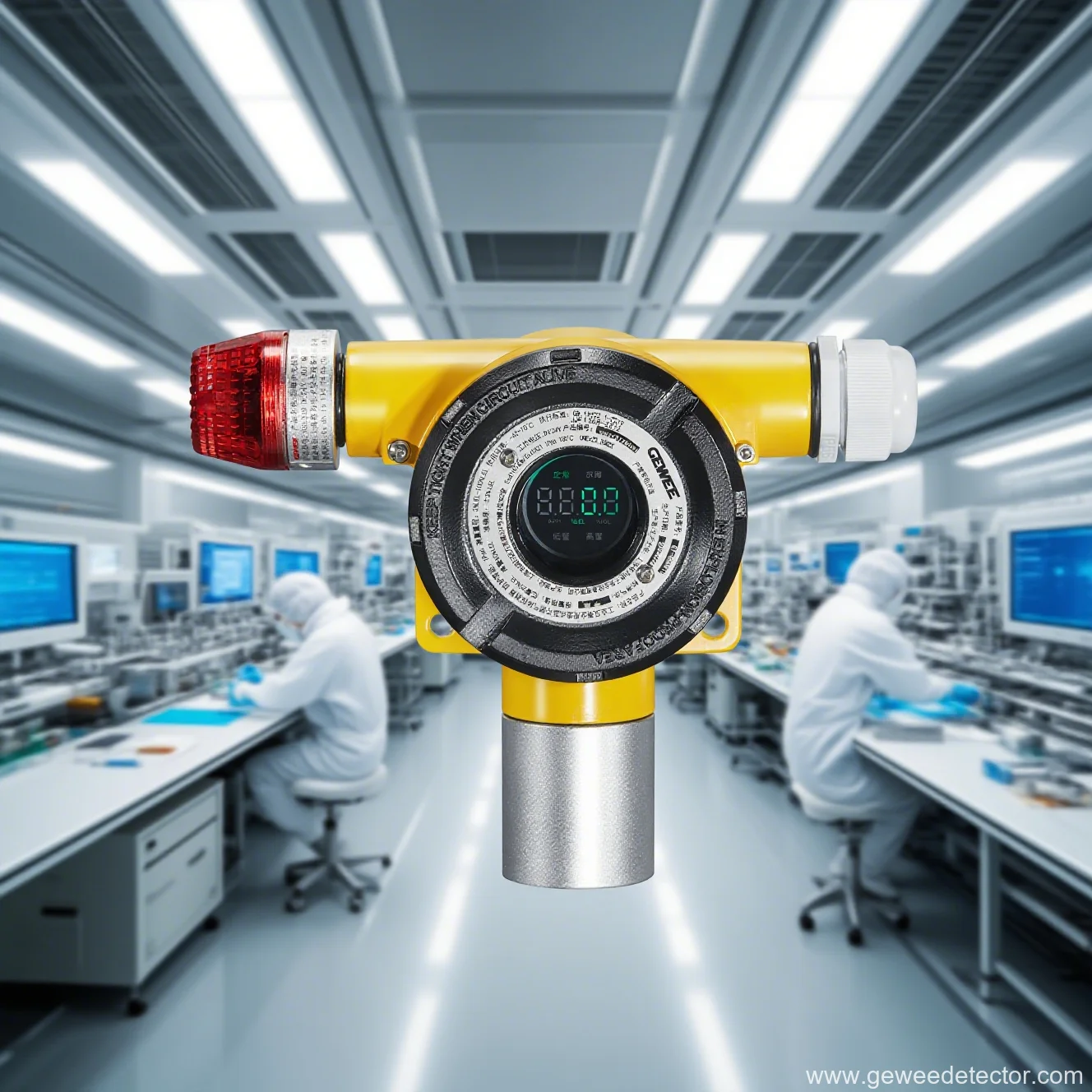
Gas Alarm Systems for Corrosive Environments: Stainless Steel vs. Aluminum Housing Guide
-
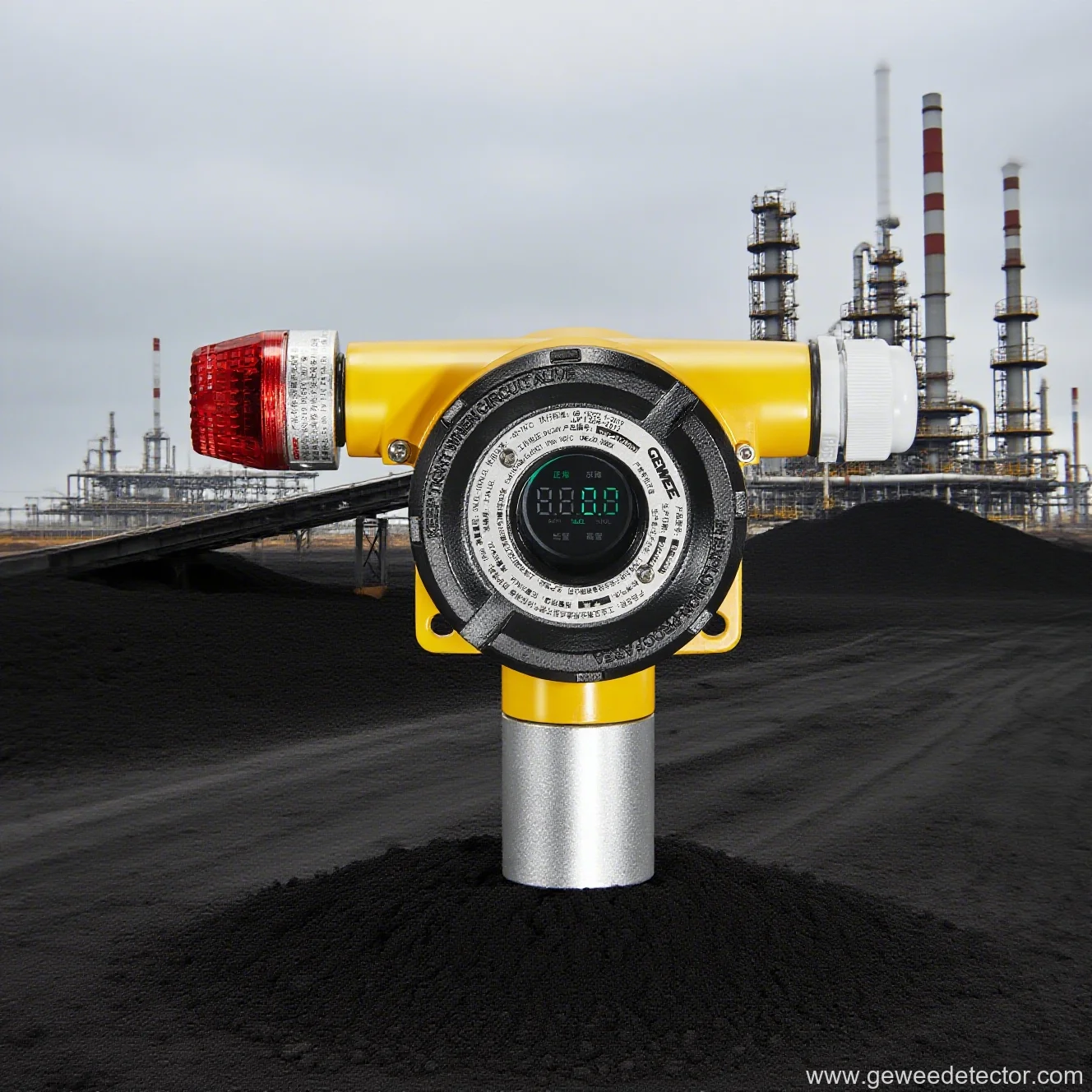
Why Petrochemical Plants Trust GEWEE’s Fixed Gas Alarm Systems for Hazard Monitoring
-
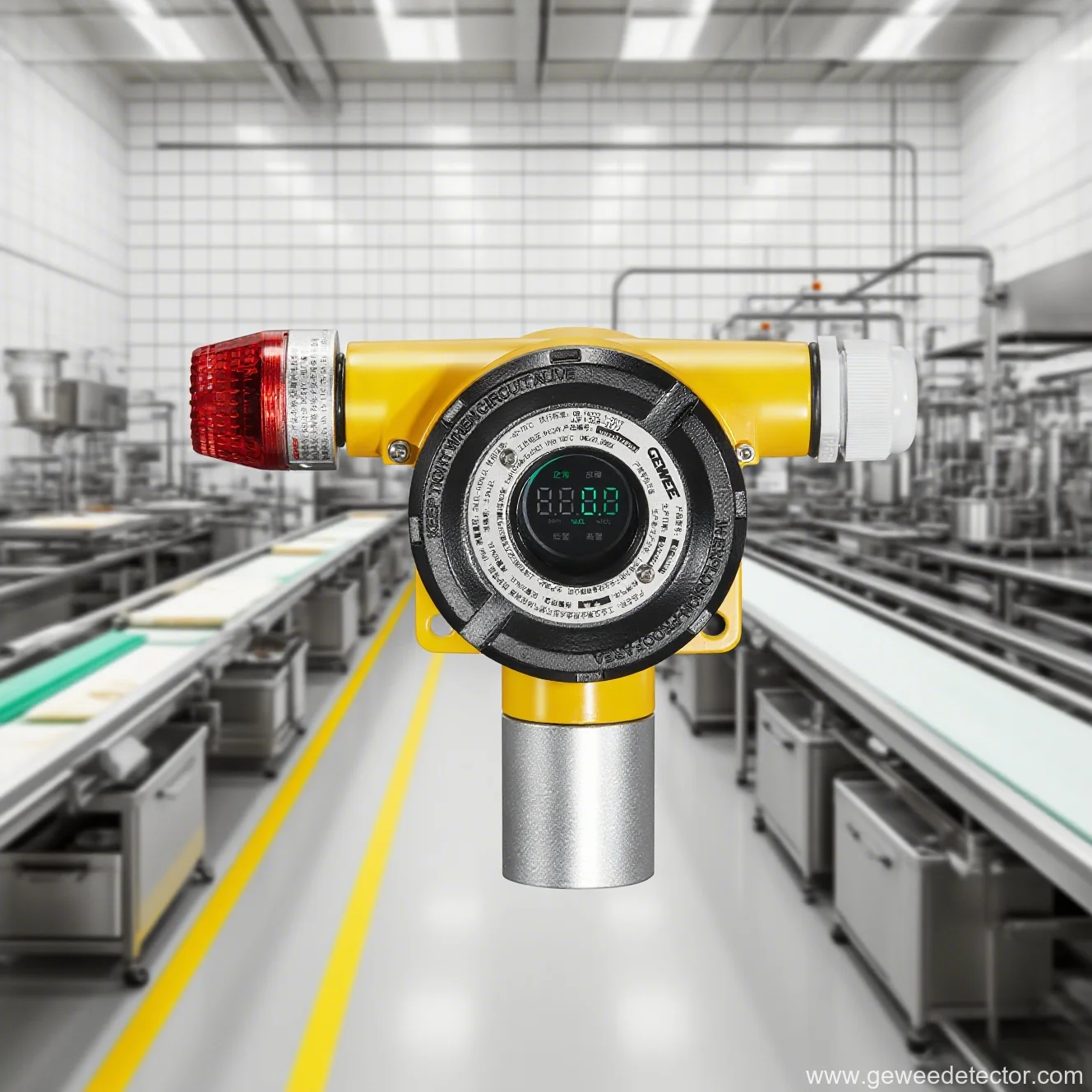
Essential Maintenance Checklist for Industrial Gas Alarm Systems: Extend Sensor Lifespan
-
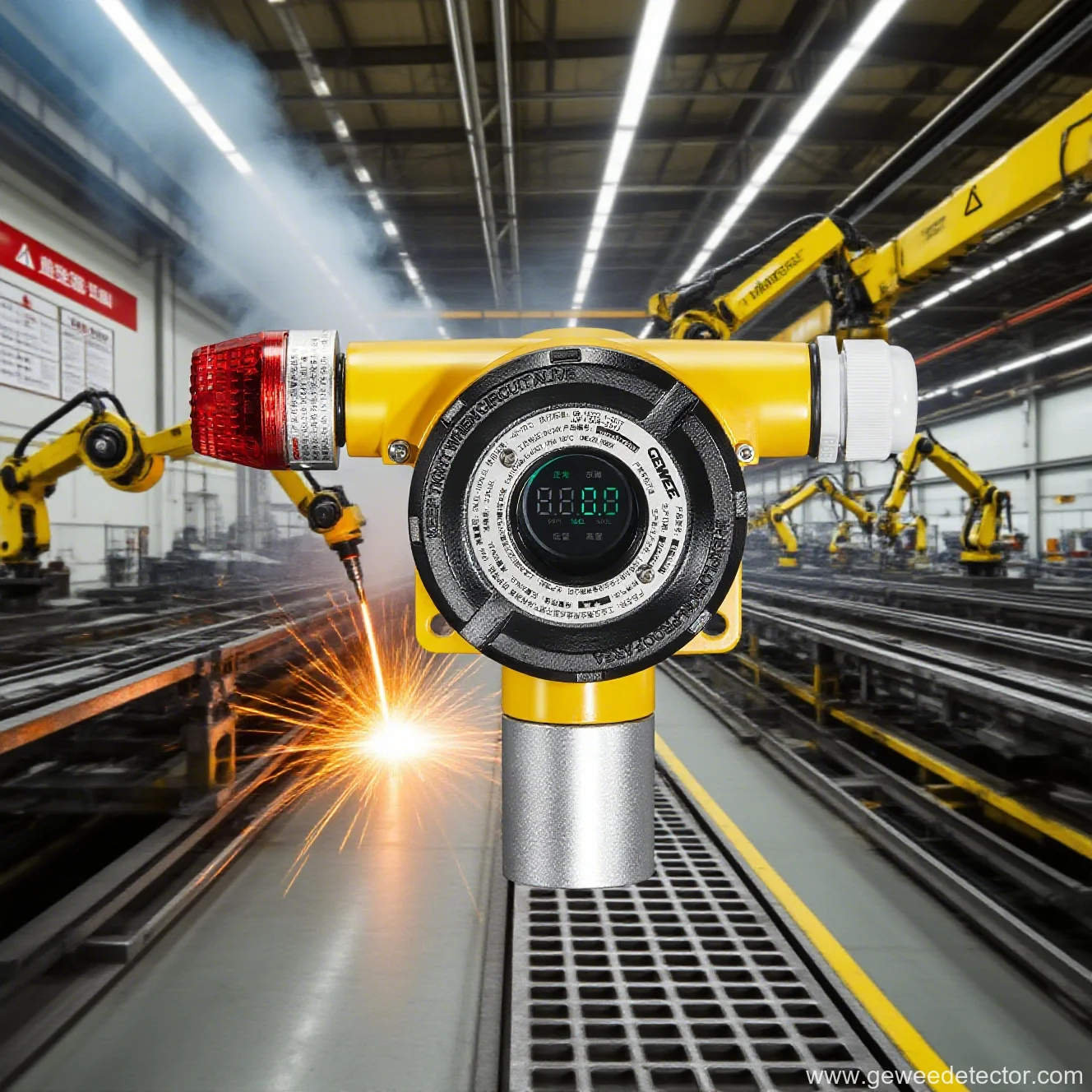
How AI-Powered Gas Alarm Systems Reduce False Alarms in Industrial Settings