
Popular Posts
- Gas Detection for Lithium-Ion Battery Facilities: Electrolyte Vapors & Thermal Runaway Precursors
- Portable Gas Detector for Mining and Tunnels: Methane, CO, O2, and NO2 Before Entry
- Industrial Scientific Ventis and Tango Alternative: Comparing Sensors, Runtime, and Total Cost
- Honeywell BW Solo vs GEWEE Single-Gas Monitor: H2S, CO, O2 Reliability Compared
- Portable Gas Detector for Hot Work and Welding: CO, NO2, and Oxygen Depletion Monitoring
-
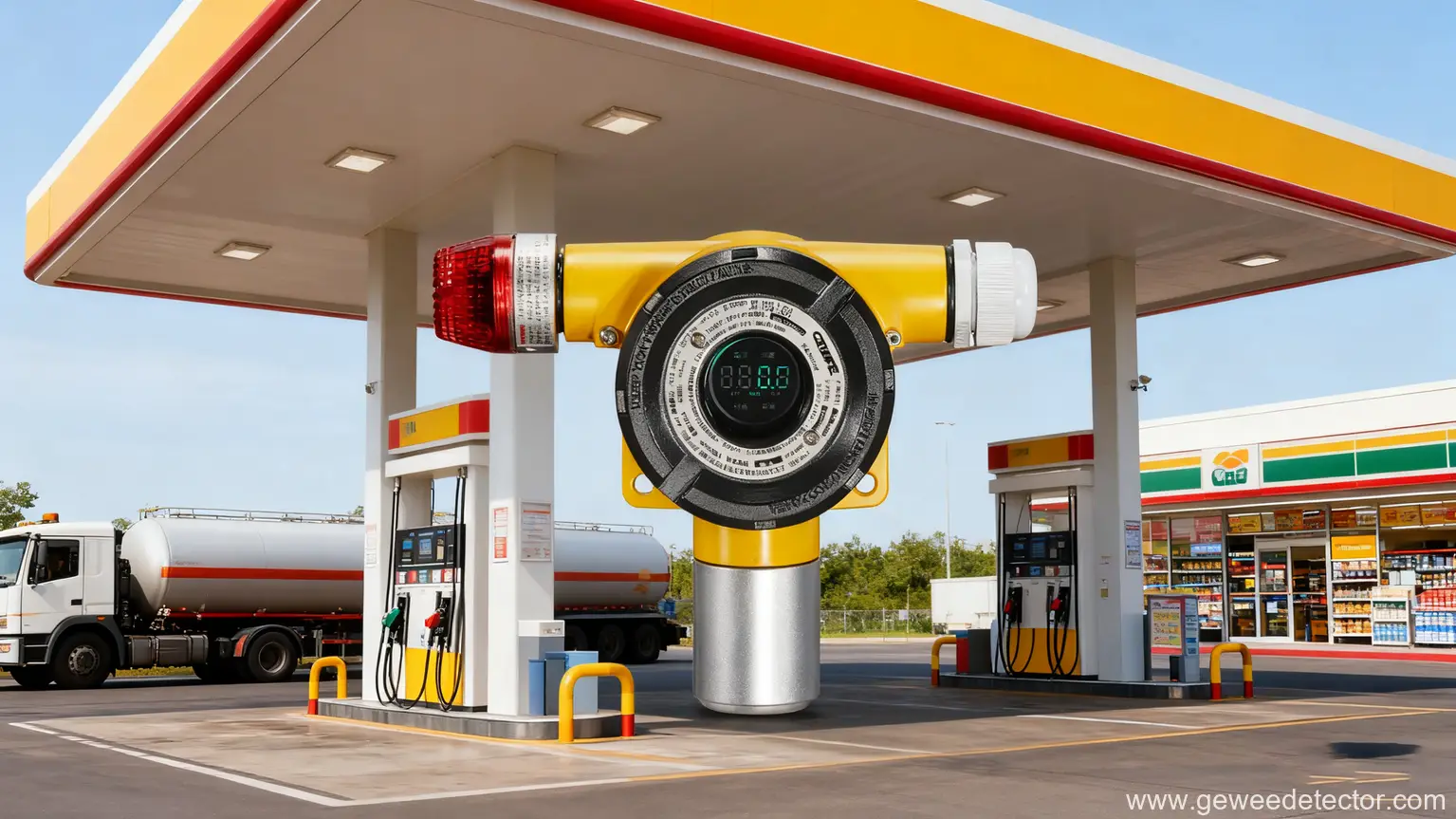
Fixed Gas Detectors for Chemical Plants: A Complete Guide to Safety & Compliance
-
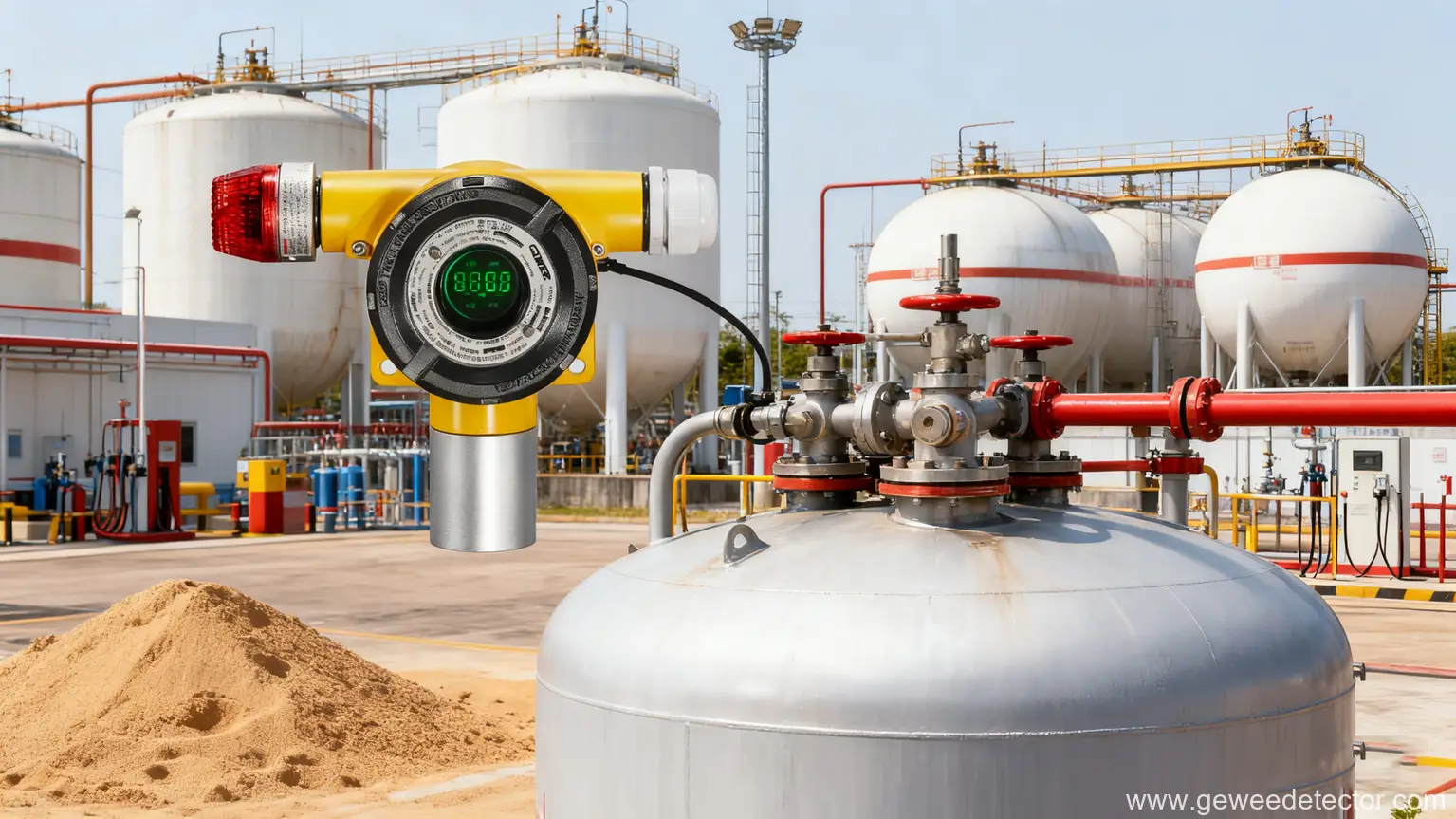
Why Your Warehouse Needs Fixed Gas Detectors (Even If You Think “We’re Safe”)
-
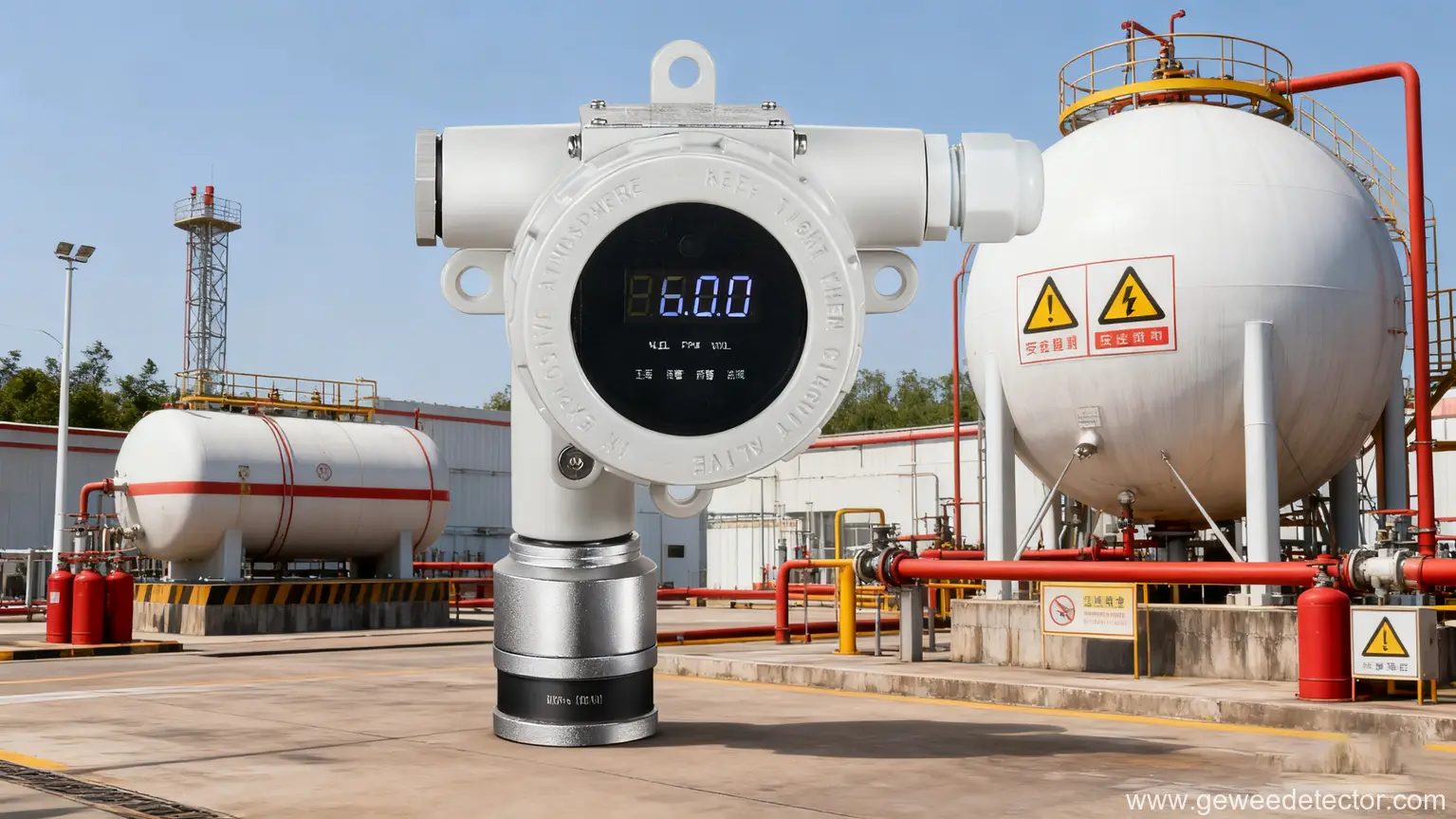
5 Common Mistakes in Fixed Gas Detector Installation (And How to Avoid Them)
-
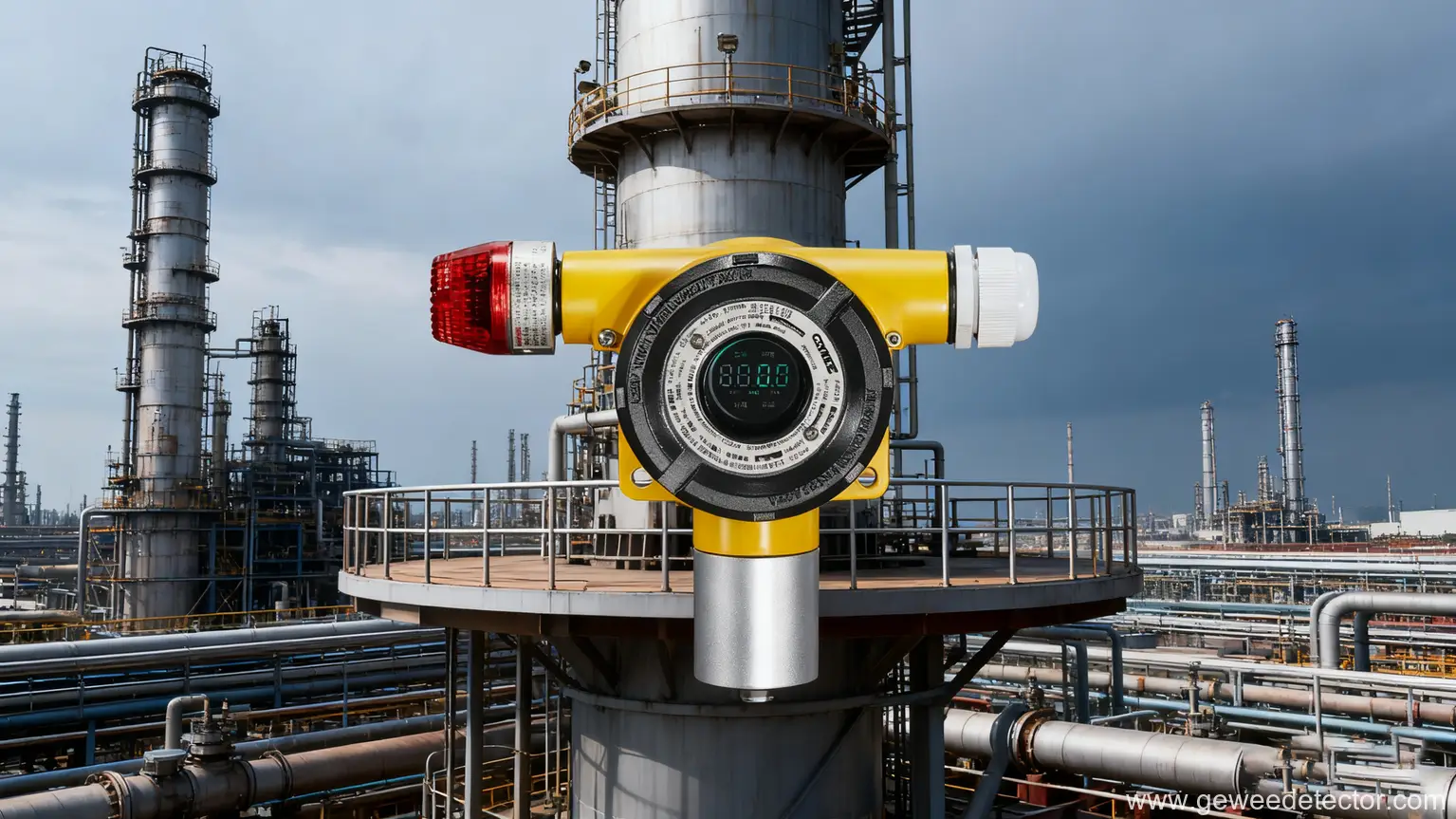
Emergency Response Plans: How Fixed Gas Detectors Integrate With Evacuation Systems
-
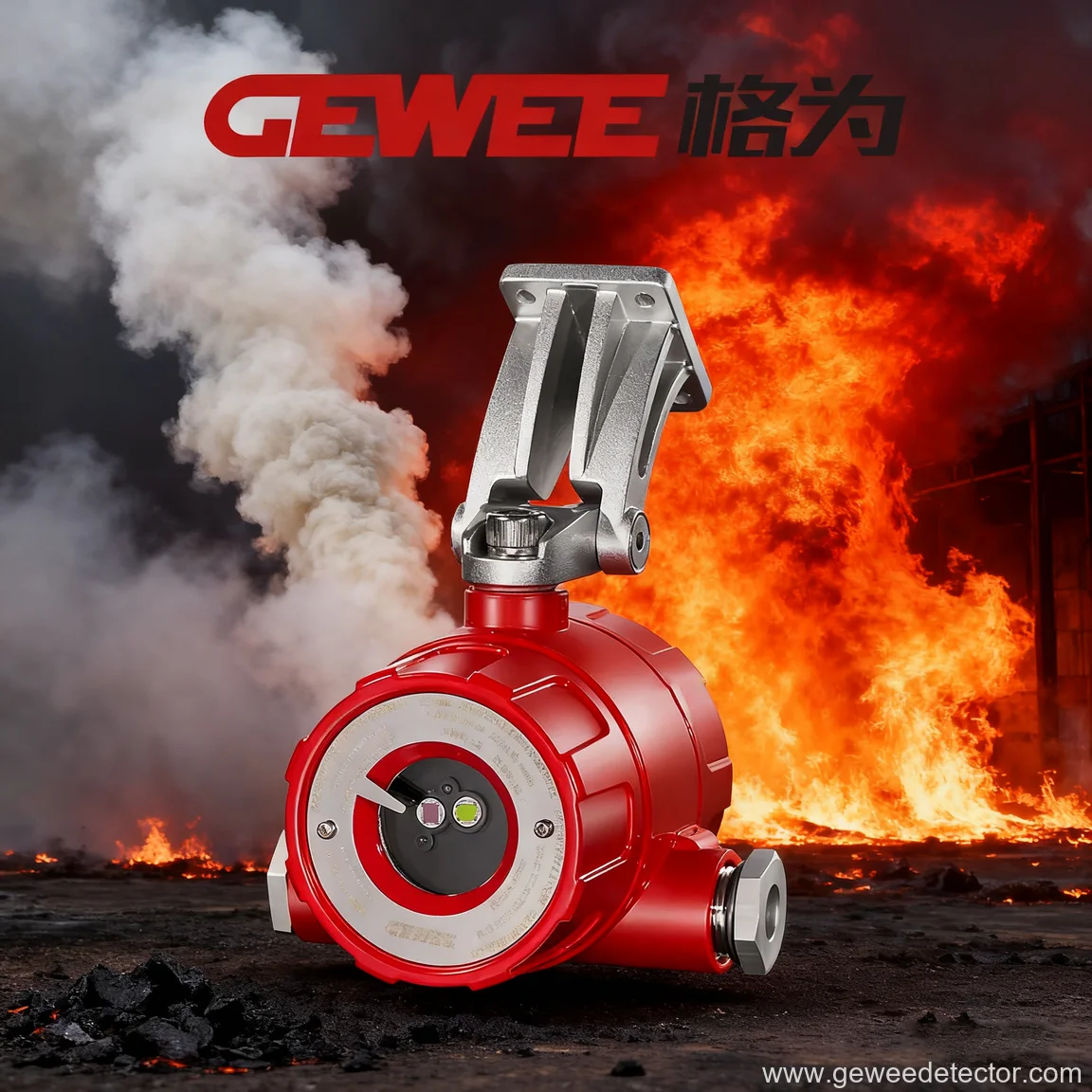
What is the range of the IR flame detector?
-

What’s the difference between UV and IR flame detectors?
-
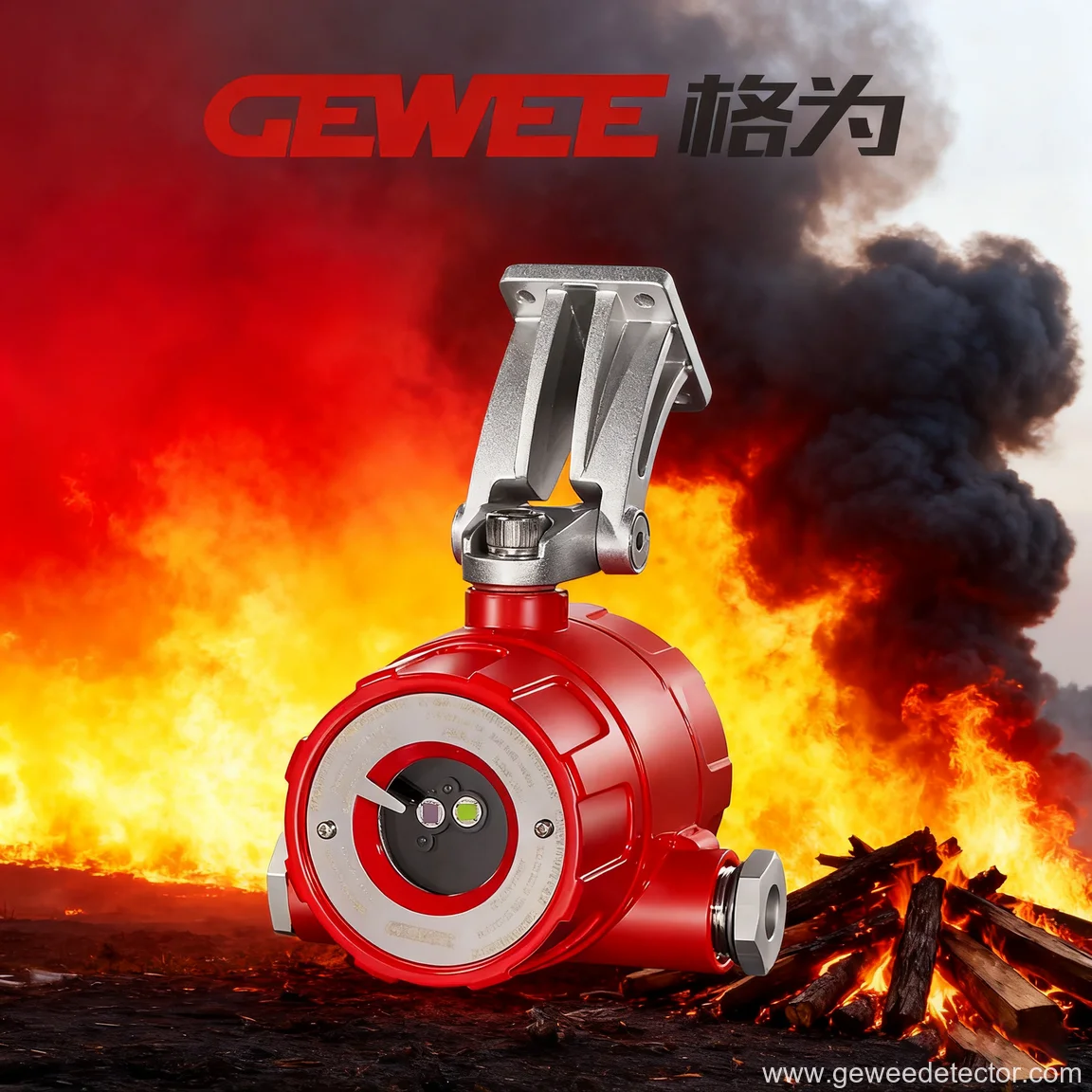
Can I use an IR sensor instead of a flame sensor?
-
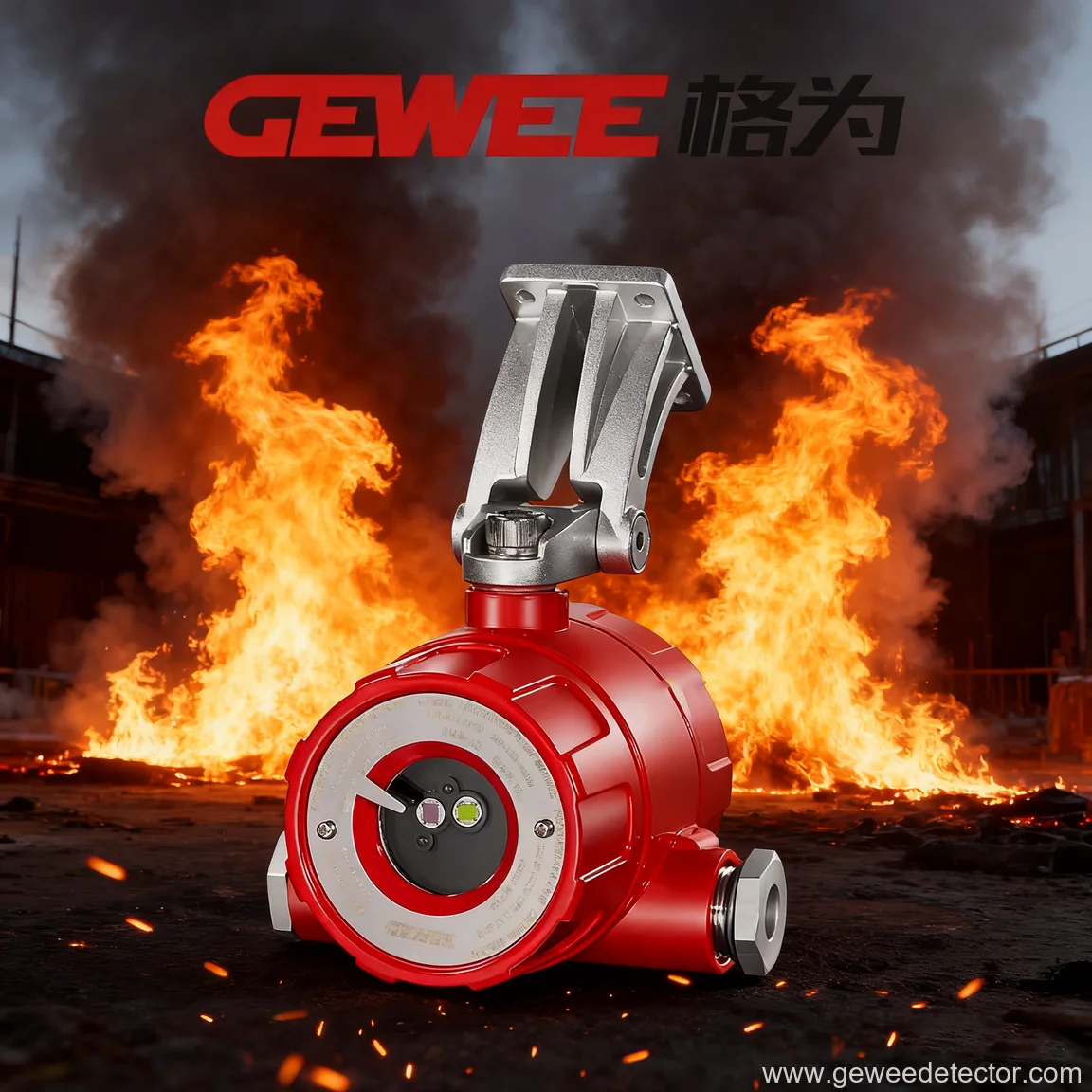
What is an IR3 flame detector?
-
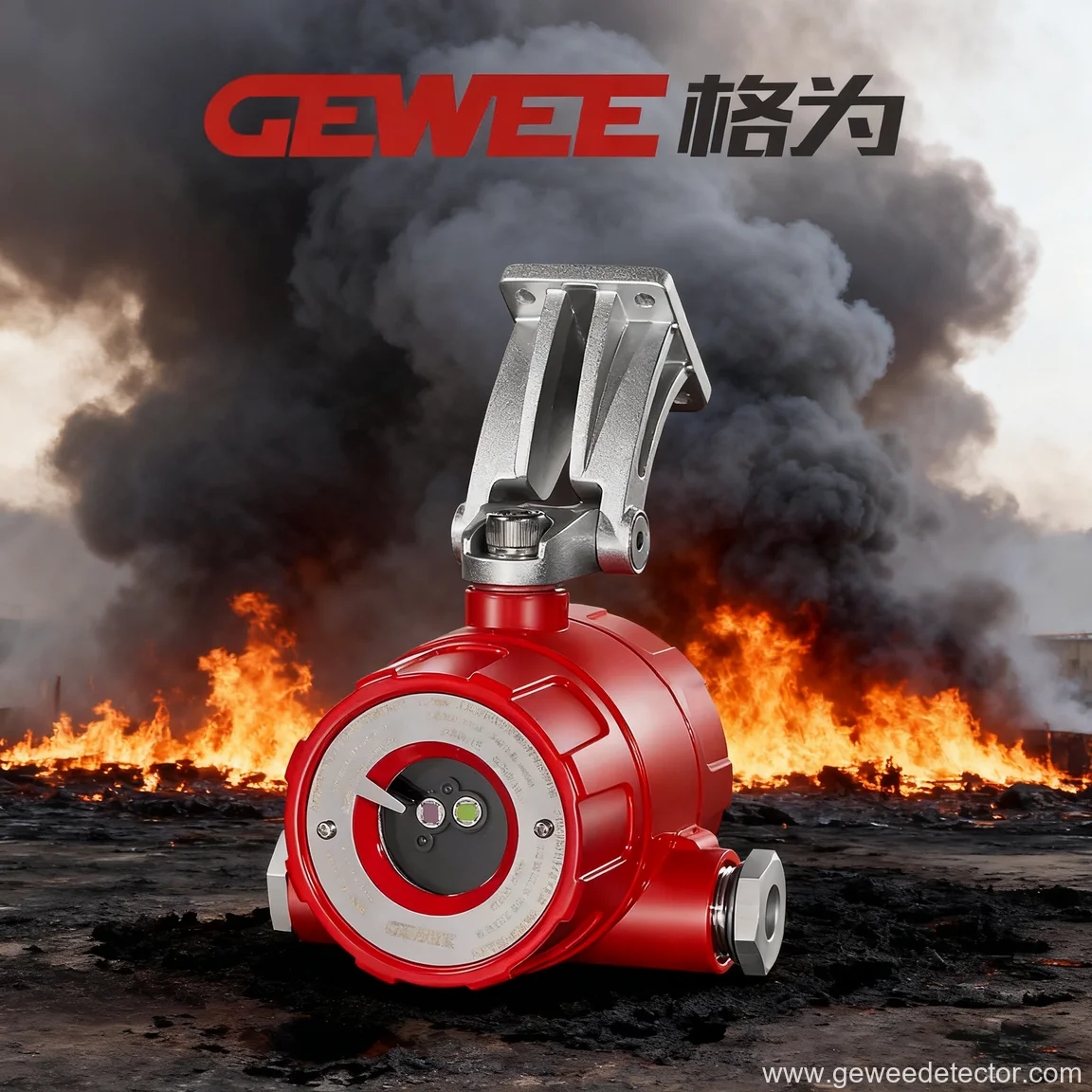
What are the two detectors of IR?
-
Which is better, UV or IR?